
U.S. maritime budget review highlights push to expand domestic shipping capacity
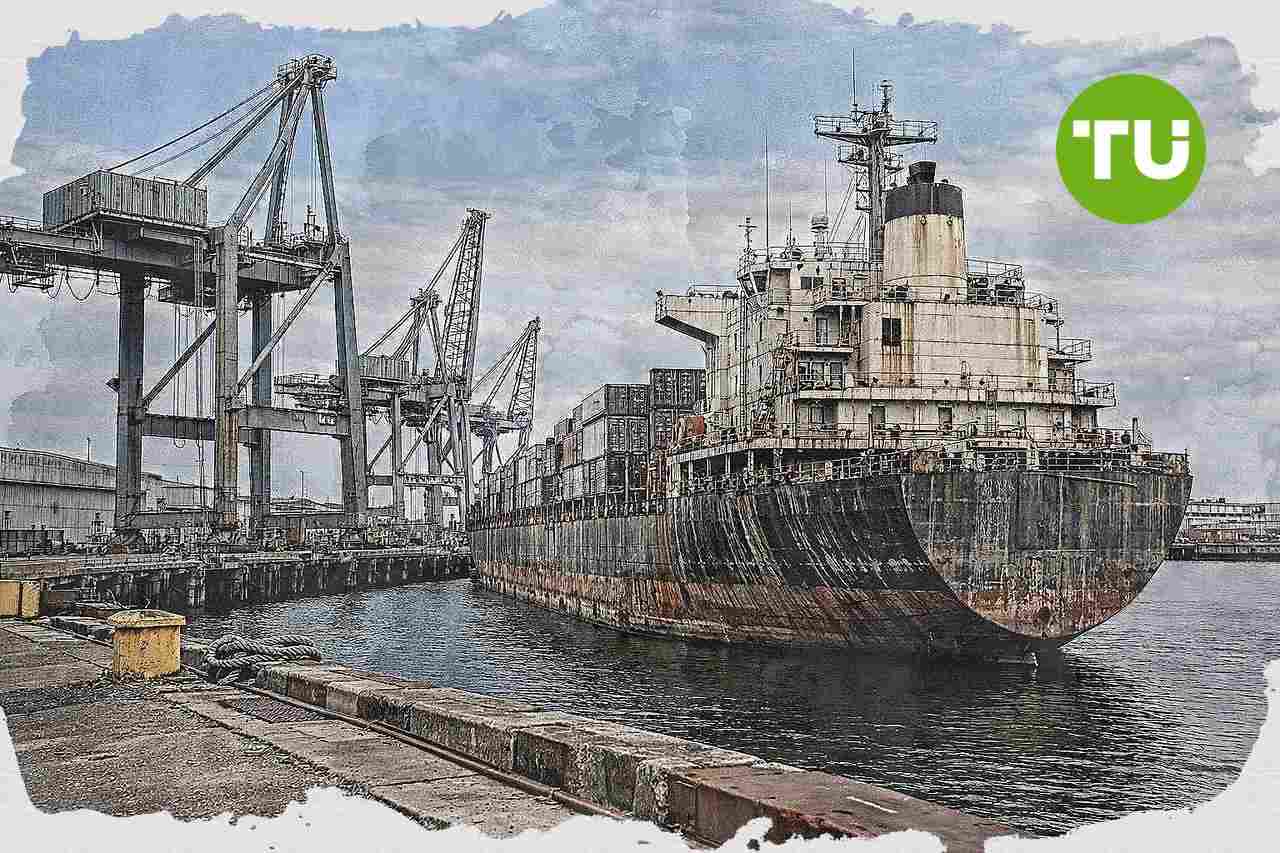
A congressional review of the fiscal 2027 budget requests for the Maritime Administration and the Federal Maritime Commission underscores growing concern over the resilience of U.S. shipping and ocean-linked supply chains. The hearing also centers on whether federal policy and funding can help modernize shipyards, enlarge the U.S.-flag fleet and strengthen oversight of ocean carrier competition.
Highlights
- Chairman Mike Ezell emphasizes urgent congressional focus on expanding U.S.-flag deep sea merchant fleet, modernizing shipyards, and rebuilding domestic shipping assets.
- Bipartisan Ships for America Act and Maritime Action Plan serve as vehicles for regulatory reform, incentives, and increased U.S. vessel registry participation.
- Federal Maritime Commission oversight, particularly through the Office of the Administrative Law Judge, drives accountability for carrier behavior and may set industry precedents.
Budget hearing sets out maritime priorities
As outlined by the House Committee on Transportation and Infrastructure, Coast Guard and Maritime Transportation Subcommittee Chairman Mike Ezell says the U.S. maritime sector faces structural weaknesses as global disruptions keep exposing the cost of fragile supply chains.In prepared opening remarks for the hearing, Ezell says the U.S.-flag deep sea merchant fleet remains small and internationally owned, while commercial shipyards need modernization in both capacity and capability. He says the country depends on global transport routes it does not control and lacks domestic production of key shipping assets including trade vessels, containers and port cranes.
Ezell points to the Trump Administration's maritime agenda and congressional efforts to rebuild domestic capacity. He says policymakers are working to promote shipbuilding in the U.S., train more mariners, increase the U.S.-flag fleet, identify new cargo sources and revive the broader maritime industrial base.
The chairman also highlights the bipartisan Ships for America Act and the administration's Maritime Action Plan as current vehicles for reform. He says he supports legislation that implements parts of that plan and welcomes proposals that ease regulation, reduce compliance burdens and create incentives for more vessels to enter the U.S. flag registry.
Industry capacity and competition remain in focus
The hearing also turns to the roles of the Maritime Administration and the Federal Maritime Commission in supporting the sector. Ezell says the Maritime Administration is central to promoting the U.S. maritime industry, and he praises Administrator Captain Carmel's background as a Kings Point alumnus, merchant mariner and maritime executive.He also introduces Federal Maritime Commission Chairman Laura DiBella, noting that this is her first appearance before the subcommittee in that role. Ezell says U.S. shippers benefit when the ocean transport market remains competitive and adds that the FMC's independent oversight is important to preserving that competition.
Ezell specifically points to the Office of the Administrative Law Judge, saying its casework is producing accountability for carrier misconduct and setting precedents that could shape reasonable industry practices for decades. He says he wants to assess whether that office has adequate support given the volume of cases and the potential consequences of its decisions.
Closing his remarks, Ezell says the U.S. has neglected the maritime industrial base for too long and argues that a broad consensus now exists to address that gap. That stance signals continued congressional pressure for budget support, regulatory changes and industrial policy aimed at strengthening the country's shipping and shipbuilding position.
Our earlier article on the global tungsten squeeze explained how wars and rising military demand are tightening supplies of this critical metal, while China maintains dominant control over the market through export restrictions. We noted that the U.S., with little to no domestic tungsten production, is scrambling for alternative sources—including backing a major Kazakhstan project—yet shortages could continue to pressure defense procurement and key manufacturing supply chains.





Latest Transportation News









-
 Afghanistan
-
 Albania
-
 Algeria
-
 Angola
-
 Argentina
-
 Armenia
-
 Australia
-
 Austria
-
 Azerbaijan
-
 Bahamas
-
 Bahrain
-
 Bangladesh
-
 Belarus
-
 Belgium
-
 Bolivia
-
 Botswana
-
 Brazil
-
 Brunei
-
 Bulgaria
-
 Cambodia
-
 Cameroon
-
 Canada
-
 Chile
Chile
-
 China
China
-
 Colombia
-
 Congo
Congo
-
 Costa Rica
-
 Cote d'Ivoire
-
 Croatia
-
 Cuba
Cuba
-
 Cyprus
-
 Czechia
-
 DR Congo
-
 Denmark
-
 Dominican Republic
-
 Ecuador
-
 Egypt
Egypt
-
 El Salvador
-
 Estonia
-
 Eswatini
-
 Ethiopia
-
 Finland
-
 France
-
 Georgia
-
 Germany
-
 Ghana
Ghana
-
 Greece
-
 Haiti
Haiti
-
 Hong Kong
-
 Hungary
-
 India
India
-
 Indonesia
-
 Iran, Islamic republic
-
 Iraq
Iraq
-
 Ireland
-
 Israel
-
 Italy
Italy
-
 Jamaica
-
 Japan
Japan
-
 Jordan
-
 Kazakhstan
-
 Kenya
Kenya
-
 Korea
Korea
-
 Kuwait
-
 Kyrgyzstan
-
 Laos
Laos
-
 Latvia
-
 Lebanon
-
 Lesotho
-
 Libya
Libya
-
 Lithuania
-
 Luxembourg
-
 Madagascar
-
 Malaysia
-
 Malta
Malta
-
 Mauritius
-
 Mexico
-
 Moldova
-
 Mongolia
-
 Montenegro
-
 Morocco
-
 Mozambique
-
 Myanmar
-
 Namibia
-
 Nepal
Nepal
-
 Netherlands
-
 New Zealand
-
 Nigeria
-
 North Macedonia
-
 Norway
-
 Oman
Oman
-
 Pakistan
-
 Palestine
-
 Panama
-
 Papua New Guinea
-
 Paraguay
-
 Peru
Peru
-
 Philippines
-
 Poland
-
 Portugal
-
 Puerto Rico
-
 Qatar
Qatar
-
 Reunion
-
 Romania
-
 Rwanda
-
 Saudi Arabia
-
 Serbia
-
 Singapore
-
 Slovakia
-
 Slovenia
-
 Somalia
-
 South Africa
-
 Spain
Spain
-
 Sri Lanka
-
 Sweden
-
 Switzerland
-
 Syria
Syria
-
 Taiwan
-
 Tajikistan
-
 Tanzania
-
 Thailand
-
 Trinidad and Tobago
-
 Tunisia
-
 Turkey
-
 UAE
UAE
-
 Uganda
-
 Ukraine
-
 United Kingdom
-
United States
-
 Uruguay
-
 Uzbekistan
-
 Venezuela
-
 Vietnam
-
 Yemen
Yemen
-
 Zambia
-
 Zimbabwe
- Forex
- Crypto











