
U.S. Senate panel advances blue economy workforce and fisheries agenda
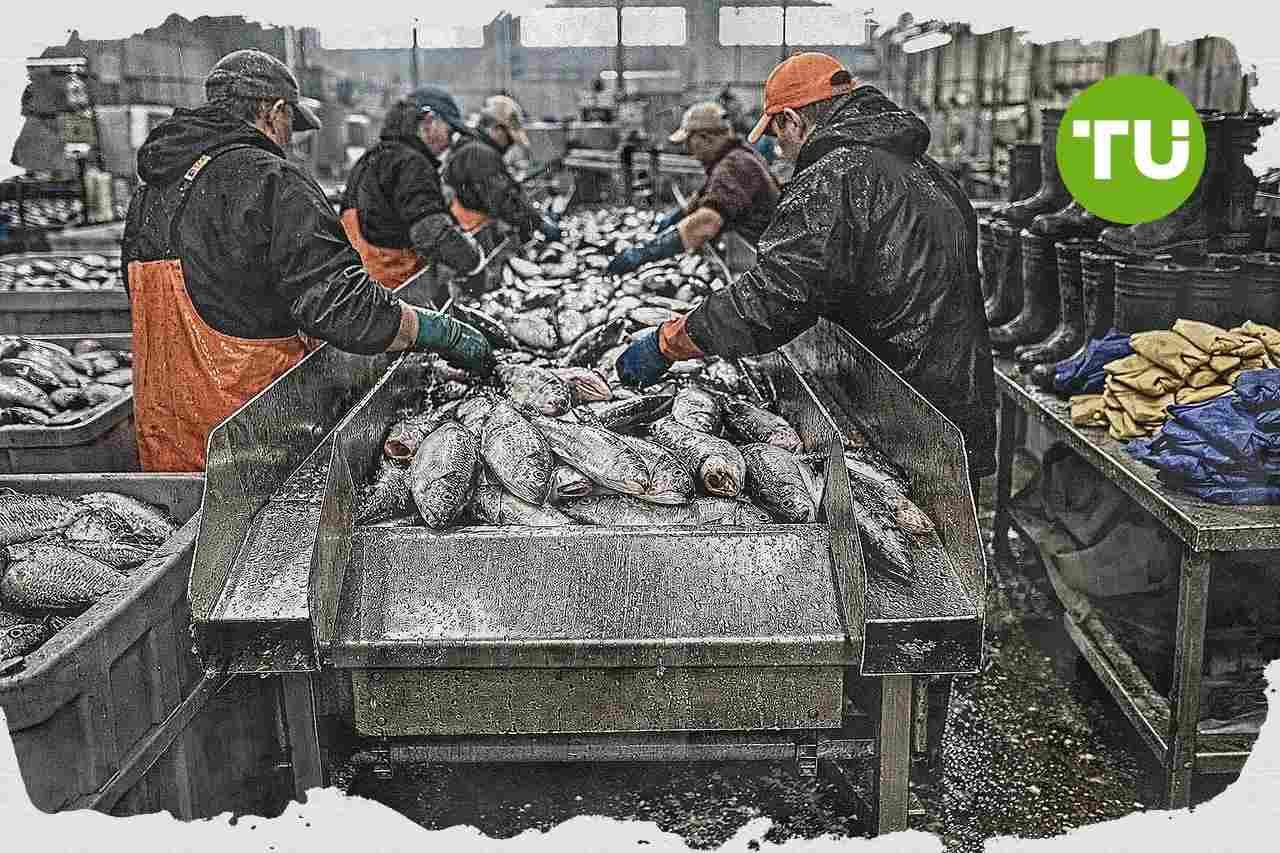
With maritime labor shortages and seafood supply concerns in focus, a U.S. Senate subcommittee hearing highlights the economic and strategic role of the blue economy for coastal regions. Alaska stands at the center of that discussion because it accounts for more than 60% of America’s commercial, sport, and subsistence seafood harvest and has more coastline than the rest of the country combined.
Highlights
- Senate Commerce subcommittee hearing led by Senator Dan Sullivan focuses on advancing U.S. blue economy workforce, fisheries, and maritime strength policy.
- Labor shortages are identified as a widespread challenge, prompting calls for more investment in workforce development, apprenticeships, training, and maritime education.
- Alaska's major role in seafood production and maritime expertise shapes national policy discussions on economic strength, food security, and sustainable coastal development.
Hearing centers on workforce and fisheries policy
As reported by the Senate Committee on Commerce, Science, and Transportation, Senator Dan Sullivan chairs a Senate Commerce Coast Guard, Maritime, and Fisheries Subcommittee hearing on “The Blue Economy: Advancing American Fisheries, Maritime Strength, and Coastal Economies.” The session brings together four expert witnesses, including Alaska-based participants Tommy Sheridan of the Alaska Blue Economy Center at the University of Alaska Fairbanks, Jeremy Woodrow of the Alaska Seafood Marketing Institute, and Nathan Wardwell of JOA Surveys, LLC.Sullivan says the blue economy supports millions of U.S. fishermen, processors, mariners, sport fishermen, welders, scientists, engineers, military personnel, charter operators, tourism workers, and small business owners. He says labor shortages remain a major challenge across nearly every segment and calls for more investment in workforce development, training, apprenticeships, and education for the next generation of maritime workers.
Alaska’s role shapes national economic and security outlook
The hearing underscores how fisheries, maritime capacity, and coastal industries link to broader U.S. economic strength, food security, and national security. Sullivan frames enforcement, environmental stewardship, infrastructure investment, and workforce development as core pillars in maintaining the country’s position in the global blue economy.Alaska remains a key reference point in that strategy because of its scale in seafood production and coastline access. The testimony from multiple Alaskan witnesses also signals how the state’s fisheries and maritime expertise continue to influence federal discussion on sustainable resource management and long-term coastal economic development.
In our earlier article on a legislative hearing on marine policy bills, we outlined how lawmakers weighed proposals that would reshape fisheries oversight and coastal state authority alongside broader ocean resource management. The package included changes affecting Gulf state offshore boundaries, Alaska Native subsistence and commercial sea otter harvest rights, fishing rules for marine national monuments under the Magnuson-Stevens Act, and expanded workplace protections at NOAA.



Latest Digital Government News







-
 Afghanistan
-
 Albania
-
 Algeria
-
 Angola
-
 Argentina
-
 Armenia
-
 Australia
-
 Austria
-
 Azerbaijan
-
 Bahamas
-
 Bahrain
-
 Bangladesh
-
 Belarus
-
 Belgium
-
 Bolivia
-
 Botswana
-
 Brazil
-
 Brunei
-
 Bulgaria
-
 Cambodia
-
 Cameroon
-
 Canada
-
 Chile
Chile
-
 China
China
-
 Colombia
-
 Congo
Congo
-
 Costa Rica
-
 Cote d'Ivoire
-
 Croatia
-
 Cuba
Cuba
-
 Cyprus
-
 Czechia
-
 DR Congo
-
 Denmark
-
 Dominican Republic
-
 Ecuador
-
 Egypt
Egypt
-
 El Salvador
-
 Estonia
-
 Eswatini
-
 Ethiopia
-
 Finland
-
 France
-
 Georgia
-
 Germany
-
 Ghana
Ghana
-
 Greece
-
 Haiti
Haiti
-
 Hong Kong
-
 Hungary
-
 India
India
-
 Indonesia
-
 Iran, Islamic republic
-
 Iraq
Iraq
-
 Ireland
-
 Israel
-
 Italy
Italy
-
 Jamaica
-
 Japan
Japan
-
 Jordan
-
 Kazakhstan
-
 Kenya
Kenya
-
 Korea
Korea
-
 Kuwait
-
 Kyrgyzstan
-
 Laos
Laos
-
 Latvia
-
 Lebanon
-
 Lesotho
-
 Libya
Libya
-
 Lithuania
-
 Luxembourg
-
 Madagascar
-
 Malaysia
-
 Malta
Malta
-
 Mauritius
-
 Mexico
-
 Moldova
-
 Mongolia
-
 Montenegro
-
 Morocco
-
 Mozambique
-
 Myanmar
-
 Namibia
-
 Nepal
Nepal
-
 Netherlands
-
 New Zealand
-
 Nigeria
-
 North Macedonia
-
 Norway
-
 Oman
Oman
-
 Pakistan
-
 Palestine
-
 Panama
-
 Papua New Guinea
-
 Paraguay
-
 Peru
Peru
-
 Philippines
-
 Poland
-
 Portugal
-
 Puerto Rico
-
 Qatar
Qatar
-
 Reunion
-
 Romania
-
 Rwanda
-
 Saudi Arabia
-
 Serbia
-
 Singapore
-
 Slovakia
-
 Slovenia
-
 Somalia
-
 South Africa
-
 Spain
Spain
-
 Sri Lanka
-
 Sweden
-
 Switzerland
-
 Syria
Syria
-
 Taiwan
-
 Tajikistan
-
 Tanzania
-
 Thailand
-
 Trinidad and Tobago
-
 Tunisia
-
 Turkey
-
 UAE
UAE
-
 Uganda
-
 Ukraine
-
 United Kingdom
-
United States
-
 Uruguay
-
 Uzbekistan
-
 Venezuela
-
 Vietnam
-
 Yemen
Yemen
-
 Zambia
-
 Zimbabwe
- Forex
- Crypto











