
U.S. trade officials broaden tariff push after court blocks Trump levies
After the Supreme Court curbed the president’s use of emergency powers for tariffs in February, the Trump administration is shifting to older trade laws to keep its protectionist agenda in place. The effort now spans proposed duties on Brazil, a new review of Vietnam, and a wider plan that could affect more than 60 countries, including the EU.
Highlights
- U.S. trade officials propose a 25 per cent tariff on Brazil, probe Vietnam, and plan 10–12.5 per cent duties on over 60 countries over forced labour laws.
- Trump’s team races to finish investigations before late July, as Section 122 tariffs expire after 150 days and new duties require lengthy public consultation and notice.
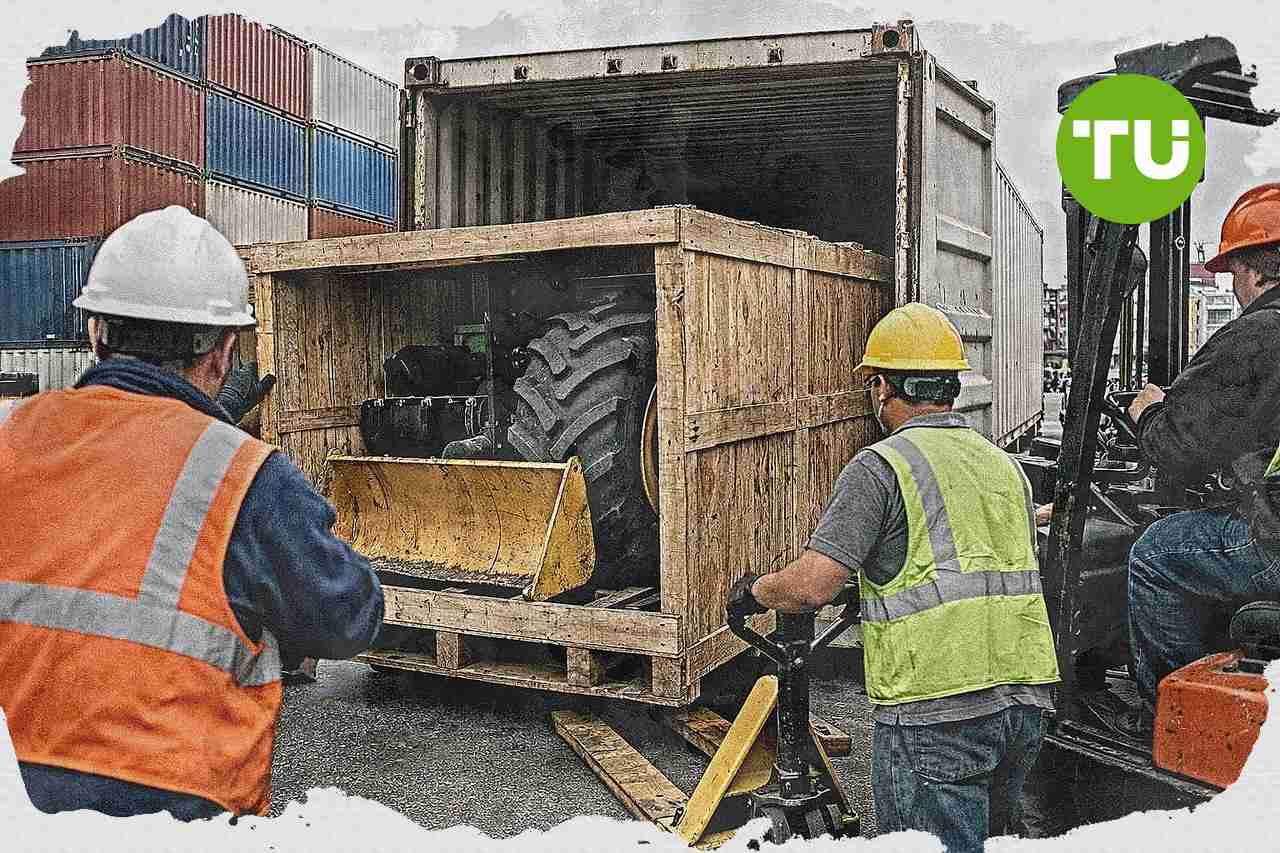
- This week, tariffs on certain farm equipment, bulldozers, and forklift trucks are reduced to 15 per cent from 25 per cent to shield U.S. farmers and manufacturers from higher costs.
New tariff plan under legal constraints
As reported by Financial Times, U.S. trade officials this week propose a 25 per cent tariff on Brazil, open a probe into trade with Vietnam and unveil plans for duties of 10 per cent to 12.5 per cent on more than 60 countries over forced labour laws.The U.S. is also working on an investigation into industrial overcapacity and subsidies that could later support fresh levies on a range of trading partners. It also invites businesses to comment on a proposed Board of Trade with China as Washington tries to manage relations with the world’s second-largest economy.
Since the Supreme Court bars the use of emergency powers to impose tariffs, Trump can no longer move immediately through social media announcements and instead has to rely on older statutes that require public consultation and published findings. Peter Harrell, a visiting scholar at Georgetown University who worked in Joe Biden’s White House, says the law behind many of the new proposals is a process-heavy statute that requires fact-finding, notice and comment before duties can take effect.
Trump’s trade team is racing to complete investigations before a late July deadline. On that date, the stopgap tariffs imposed after the court ruling expire because Section 122 of the Trade Act of 1974 allows them to remain in place for only 150 days.
Market and policy implications for trading partners
Edward Alden of the Council on Foreign Relations says the administration’s latest moves amount to an effort to replace the expiring Section 122 tariffs. While many foreign officials expect the U.S. to keep rates broadly in line with trade deals struck with partners last year, some remain concerned that Washington could raise duties further.The administration is also balancing Trump’s preference for steep tariffs on allies with pressure to contain inflation and affordability concerns before November’s midterm elections. This week it cuts tariffs on some farm and industrial machinery, lowering levies on certain farm equipment, bulldozers and forklift trucks to 15 per cent from 25 per cent to shield U.S. farmers and manufacturers from higher costs.
The proposed duties on 60 countries are launched under Section 301 of the 1974 Act, which officials see as more legally durable than the earlier "liberation day" tariffs. Harrell says courts have previously upheld Section 301 tariffs, including those imposed on China during Trump’s first term, but he also warns the current use is broader than past cases and could still face legal challenges.
Alden says more investigations may follow if the administration concludes these laws can support tariffs that survive court scrutiny. U.S. Trade Representative Jamieson Greer also tells an audience at the Council on Foreign Relations that the U.S. is willing to reduce tariffs on some Chinese goods.
Our earlier update on U.S. gross national debt highlighted that total federal borrowing had risen to $39.20 trillion as of June 3, 2026, with debt climbing at an estimated $8.19 billion per day. We also noted that higher interest rates are increasing the cost of servicing the debt, adding to budget pressures as net interest takes a larger share of federal outlays.


Latest Brazil News







-
 Afghanistan
-
 Albania
-
 Algeria
-
 Angola
-
 Argentina
-
 Armenia
-
 Australia
-
 Austria
-
 Azerbaijan
-
 Bahamas
-
 Bahrain
-
 Bangladesh
-
 Belarus
-
 Belgium
-
 Bolivia
-
 Botswana
-
 Brazil
-
 Brunei
-
 Bulgaria
-
 Cambodia
-
 Cameroon
-
 Canada
-
 Chile
Chile
-
 China
China
-
 Colombia
-
 Congo
Congo
-
 Costa Rica
-
 Cote d'Ivoire
-
 Croatia
-
 Cuba
Cuba
-
 Cyprus
-
 Czechia
-
 DR Congo
-
 Denmark
-
 Dominican Republic
-
 Ecuador
-
 Egypt
Egypt
-
 El Salvador
-
 Estonia
-
 Eswatini
-
 Ethiopia
-
 Finland
-
 France
-
 Georgia
-
 Germany
-
 Ghana
Ghana
-
 Greece
-
 Haiti
Haiti
-
 Hong Kong
-
 Hungary
-
 India
India
-
 Indonesia
-
 Iran, Islamic republic
-
 Iraq
Iraq
-
 Ireland
-
 Israel
-
 Italy
Italy
-
 Jamaica
-
 Japan
Japan
-
 Jordan
-
 Kazakhstan
-
 Kenya
Kenya
-
 Korea
Korea
-
 Kuwait
-
 Kyrgyzstan
-
 Laos
Laos
-
 Latvia
-
 Lebanon
-
 Lesotho
-
 Libya
Libya
-
 Lithuania
-
 Luxembourg
-
 Madagascar
-
 Malaysia
-
 Malta
Malta
-
 Mauritius
-
 Mexico
-
 Moldova
-
 Mongolia
-
 Montenegro
-
 Morocco
-
 Mozambique
-
 Myanmar
-
 Namibia
-
 Nepal
Nepal
-
 Netherlands
-
 New Zealand
-
 Nigeria
-
 North Macedonia
-
 Norway
-
 Oman
Oman
-
 Pakistan
-
 Palestine
-
 Panama
-
 Papua New Guinea
-
 Paraguay
-
 Peru
Peru
-
 Philippines
-
 Poland
-
 Portugal
-
 Puerto Rico
-
 Qatar
Qatar
-
 Reunion
-
 Romania
-
 Rwanda
-
 Saudi Arabia
-
 Serbia
-
 Singapore
-
 Slovakia
-
 Slovenia
-
 Somalia
-
 South Africa
-
 Spain
Spain
-
 Sri Lanka
-
 Sweden
-
 Switzerland
-
 Syria
Syria
-
 Taiwan
-
 Tajikistan
-
 Tanzania
-
 Thailand
-
 Trinidad and Tobago
-
 Tunisia
-
 Turkey
-
 UAE
UAE
-
 Uganda
-
 Ukraine
-
 United Kingdom
-
United States
-
 Uruguay
-
 Uzbekistan
-
 Venezuela
-
 Vietnam
-
 Yemen
Yemen
-
 Zambia
-
 Zimbabwe
- Forex
- Crypto











