

ASML warns EU against directing chip supplies as bloc weighs intervention
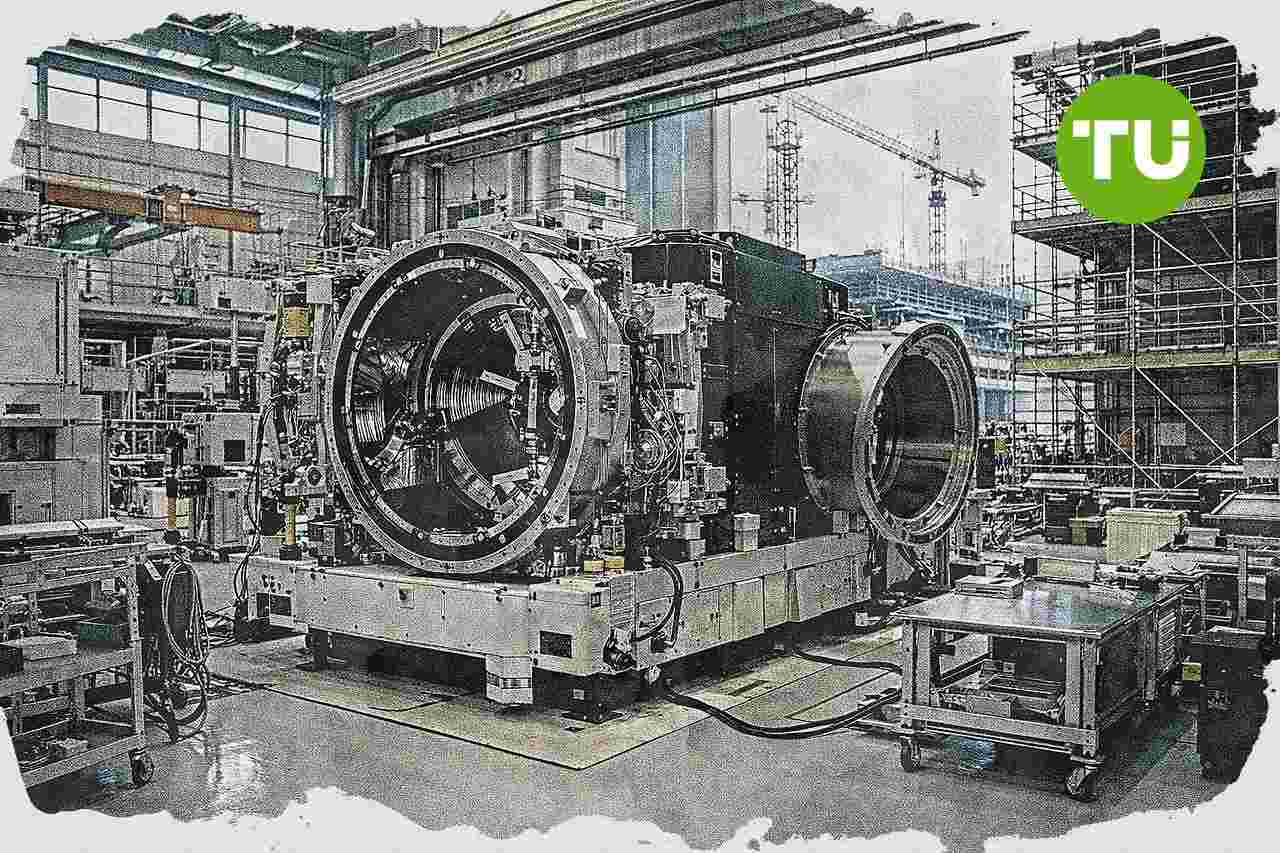
Europe’s push to build a stronger semiconductor base is reviving debate over how far Brussels should intervene in critical supply chains. ASML chief executive Christophe Fouquet says the region needs more competitive technology champions rather than direct attempts to manage chip flows during shortages.
Highlights
- ASML CEO warns EU that attempts to direct chip supplies will have limited impact without a strong domestic semiconductor industrial base and viable suppliers.
- Only about 1 per cent of ASML’s sales are in Europe versus 80 per cent in Asia, and EU regulatory challenges like permitting delays, capital access, and AI rules hamper expansion.
- ASML plans to expand its Veldhoven site and increase extreme ultraviolet lithography machine output by 50 per cent in 2024, citing AI demand but flagging labor and supply network constraints.
ASML critique of EU chip strategy
As reported by the Financial Times, Fouquet warns that Europe cannot effectively intervene in semiconductor supply chains if it lacks its own industrial base and competitive suppliers. His comments come days after the EU unveils plans for a new chips strategy that includes emergency powers to direct supplies during shortages and broader measures to strengthen the region’s semiconductor sector.Fouquet says only about 1 per cent of ASML’s sales are in Europe, while about 80 per cent are in Asia, leaving the Dutch chip equipment maker heavily exposed to markets close to its customers. He argues that calls to buy European products first have limited effect unless the region has viable domestic alternatives to offer.
He says Europe should aim to build as many champions as possible across the semiconductor supply chain and lift its share of global chip activity closer to its roughly 18 per cent share of world GDP. Fouquet also warns that regulation should not push promising companies abroad, adding that permitting delays, access to capital and the EU’s AI rules are among the obstacles affecting his business.
Expansion plans and wider technology investment
Fouquet says there is still too much temptation for the European Commission to try to do the industry’s job, pointing to plans around data centres and chip fabrication plants. At the same time, demand from AI data centres is outpacing manufacturers’ ability to raise production, increasing pressure on suppliers of advanced chipmaking equipment.ASML is preparing for that surge and plans further expansion while improving machine productivity. The company is expanding near its headquarters in Veldhoven in the Netherlands and plans to increase output of its newest extreme ultraviolet lithography machines by 50 per cent this year, although Fouquet says it still takes about four years to build a factory in Europe because of planning constraints and lengthy permitting processes.
He adds that staff recruitment, training and expansion of the supply network are also limiting growth. Beyond production, Fouquet says ASML can take a larger role as an investor in Europe’s technology sector after backing French AI company Mistral and German optical company Zeiss, and that the group is looking for more opportunities within and beyond its traditional supply chains.
Options positioning in semiconductor stocks has recently shown a split market, with traders hedging the broader sector while selectively betting on upside in a few names. Our earlier article noted heavy put activity in the VanEck Semiconductor ETF (SMH) alongside strong call demand in stocks such as Marvell and Intel, highlighting ongoing volatility and a cautious-but-opportunistic stance across the chip space.








-
 Afghanistan
-
 Albania
-
 Algeria
-
 Angola
-
 Argentina
-
 Armenia
-
 Australia
-
 Austria
-
 Azerbaijan
-
 Bahamas
-
 Bahrain
-
 Bangladesh
-
 Belarus
-
 Belgium
-
 Bolivia
-
 Botswana
-
 Brazil
-
 Brunei
-
 Bulgaria
-
 Cambodia
-
 Cameroon
-
 Canada
-
 Chile
-
 China
-
 Colombia
-
 Congo
-
 Costa Rica
-
 Cote d'Ivoire
-
 Croatia
-
 Cuba
-
 Cyprus
-
 Czechia
-
 DR Congo
-
 Denmark
-
 Dominican Republic
-
 Ecuador
-
 Egypt
-
 El Salvador
-
 Estonia
-
 Eswatini
-
 Ethiopia
-
 Finland
-
 France
-
 Georgia
-
 Germany
-
 Ghana
-
 Greece
-
 Haiti
-
 Hong Kong
-
 Hungary
-
 India
-
 Indonesia
-
 Iran, Islamic republic
-
 Iraq
-
 Ireland
-
 Israel
-
 Italy
-
 Jamaica
-
 Japan
-
 Jordan
-
 Kazakhstan
-
 Kenya
-
 Korea
-
 Kuwait
-
 Kyrgyzstan
-
 Laos
-
 Latvia
-
 Lebanon
-
 Lesotho
-
 Libya
-
 Lithuania
-
 Luxembourg
-
 Madagascar
-
 Malaysia
-
 Malta
-
 Mauritius
-
 Mexico
-
 Moldova
-
 Mongolia
-
 Montenegro
-
 Morocco
-
 Mozambique
-
 Myanmar
-
 Namibia
-
 Nepal
-
 Netherlands
-
 New Zealand
-
 Nigeria
-
 North Macedonia
-
 Norway
-
 Oman
-
 Pakistan
-
 Palestine
-
 Panama
-
 Papua New Guinea
-
 Paraguay
-
 Peru
-
 Philippines
-
 Poland
-
 Portugal
-
 Puerto Rico
-
 Qatar
-
 Reunion
-
 Romania
-
 Rwanda
-
 Saudi Arabia
-
 Serbia
-
 Singapore
-
 Slovakia
-
 Slovenia
-
 Somalia
-
 South Africa
-
 Spain
-
 Sri Lanka
-
 Sweden
-
 Switzerland
-
 Syria
-
 Taiwan
-
 Tajikistan
-
 Tanzania
-
 Thailand
-
 Trinidad and Tobago
-
 Tunisia
-
 Turkey
-
 UAE
-
 Uganda
-
 Ukraine
-
 United Kingdom
-
United States
-
 Uruguay
-
 Uzbekistan
-
 Venezuela
-
 Vietnam
-
 Yemen
-
 Zambia
-
 Zimbabwe
- Forex
- Crypto












