
China Unicom warns FCC interconnection proposal risks global telecom disruption

A new U.S. telecom security proposal is drawing warnings from international carriers with cross-border network exposure. China Unicom's U.S. unit says the planned restrictions could disrupt global communications and hurt U.S. companies with major business and supply chain ties to China.
Highlights
- China Unicom warned the FCC that its proposed interconnection ban would severely disrupt global communications networks, affecting international telecom traffic.
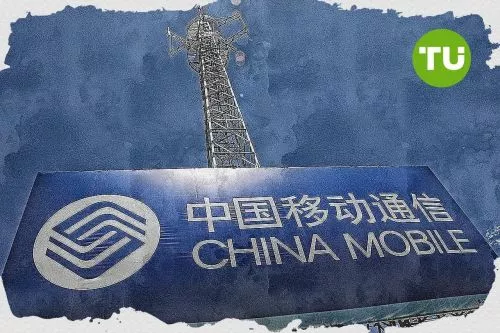
- The FCC proposal seeks to bar U.S. carriers from interconnecting with China Unicom, China Mobile, China Telecom, and other Chinese telecom firms deemed national security risks.
- China Unicom argued the measures would harm U.S. businesses with significant commercial and supply chain interests in China, increasing corporate connectivity and trade risks.
FCC proposal and company warning
As reported by Reuters, China Unicom said in a filing to the Federal Communications Commission on Tuesday that the Trump administration proposal would create severe disruption to the global communications network.The company said the measure would also harm U.S. businesses with significant commercial operations and supply chain interests in China, linking the proposed rule to wider corporate connectivity and trade risks.
National security push and sector impact
The Federal Communications Commission has proposed barring American and other telecommunications carriers operating in the U.S. from interconnecting with China Unicom, China Mobile, China Telecom and other Chinese telecom groups it considers national security risks.The move highlights continuing pressure on cross-border telecom infrastructure between the U.S. and China, with potential implications for international voice, data and enterprise network services that rely on carrier interconnection.
Our earlier report on the Trump administration’s Section 301 tariff proposal outlined a plan to impose duties of up to 12.5% on goods from 59 countries and the European Union over alleged failures to curb forced-labor-linked imports. We noted that the unusually broad scope and rapid timeline could invite legal challenges and add friction to complex global supply chains that are already difficult to police end-to-end.


Latest China Mobile News






-
 Afghanistan
-
 Albania
-
 Algeria
-
 Angola
-
 Argentina
-
 Armenia
-
 Australia
-
 Austria
-
 Azerbaijan
-
 Bahamas
-
 Bahrain
-
 Bangladesh
-
 Belarus
-
 Belgium
-
 Bolivia
-
 Botswana
-
 Brazil
-
 Brunei
-
 Bulgaria
-
 Cambodia
-
 Cameroon
-
 Canada
-
 Chile
Chile
-
 China
China
-
 Colombia
-
 Congo
Congo
-
 Costa Rica
-
 Cote d'Ivoire
-
 Croatia
-
 Cuba
Cuba
-
 Cyprus
-
 Czechia
-
 DR Congo
-
 Denmark
-
 Dominican Republic
-
 Ecuador
-
 Egypt
Egypt
-
 El Salvador
-
 Estonia
-
 Eswatini
-
 Ethiopia
-
 Finland
-
 France
-
 Georgia
-
 Germany
-
 Ghana
Ghana
-
 Greece
-
 Haiti
Haiti
-
 Hong Kong
-
 Hungary
-
 India
India
-
 Indonesia
-
 Iran, Islamic republic
-
 Iraq
Iraq
-
 Ireland
-
 Israel
-
 Italy
Italy
-
 Jamaica
-
 Japan
Japan
-
 Jordan
-
 Kazakhstan
-
 Kenya
Kenya
-
 Korea
Korea
-
 Kuwait
-
 Kyrgyzstan
-
 Laos
Laos
-
 Latvia
-
 Lebanon
-
 Lesotho
-
 Libya
Libya
-
 Lithuania
-
 Luxembourg
-
 Madagascar
-
 Malaysia
-
 Malta
Malta
-
 Mauritius
-
 Mexico
-
 Moldova
-
 Mongolia
-
 Montenegro
-
 Morocco
-
 Mozambique
-
 Myanmar
-
 Namibia
-
 Nepal
Nepal
-
 Netherlands
-
 New Zealand
-
 Nigeria
-
 North Macedonia
-
 Norway
-
 Oman
Oman
-
 Pakistan
-
 Palestine
-
 Panama
-
 Papua New Guinea
-
 Paraguay
-
 Peru
Peru
-
 Philippines
-
 Poland
-
 Portugal
-
 Puerto Rico
-
 Qatar
Qatar
-
 Reunion
-
 Romania
-
 Rwanda
-
 Saudi Arabia
-
 Serbia
-
 Singapore
-
 Slovakia
-
 Slovenia
-
 Somalia
-
 South Africa
-
 Spain
Spain
-
 Sri Lanka
-
 Sweden
-
 Switzerland
-
 Syria
Syria
-
 Taiwan
-
 Tajikistan
-
 Tanzania
-
 Thailand
-
 Trinidad and Tobago
-
 Tunisia
-
 Turkey
-
 UAE
UAE
-
 Uganda
-
 Ukraine
-
 United Kingdom
-
United States
-
 Uruguay
-
 Uzbekistan
-
 Venezuela
-
 Vietnam
-
 Yemen
Yemen
-
 Zambia
-
 Zimbabwe
- Forex
- Crypto












