
Korea Exchange says Kospi selloff reflects portfolio rebalancing in South Korea
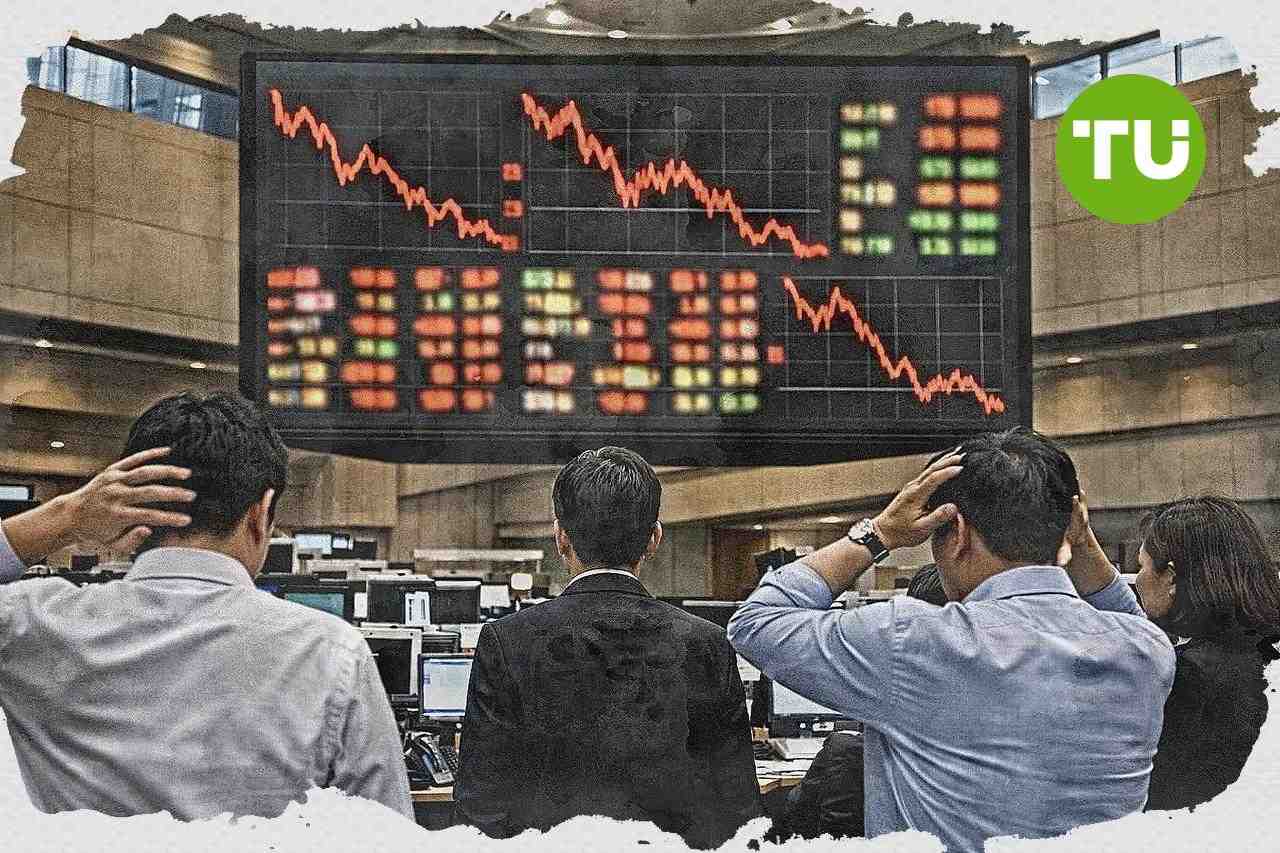
After a sharp retreat in South Korean equities from early June highs, Korea Exchange Chief Executive Jeong Eun-bo says foreign selling reflects portfolio adjustments after an extended rally rather than weakening confidence in the market. He adds that volatility is also being amplified by the Middle East conflict, the won's sensitivity to capital flows and the heavy concentration of gains in semiconductor shares.
Highlights
- The Kospi rose 76% in 2025 and was up 108.85% year to date before a selloff began on June 3, falling over 13% in six sessions.
- Institutional investors attribute the Kospi selloff to portfolio rebalancing after rapid gains, with this process now nearing its end according to Korea Exchange.
- Goldman Sachs raised its 12-month Kospi target from 9,000 to 12,000 on June 5, citing continued upside potential despite recent volatility.
Kospi pullback follows outsized gains
As reported by CNBC, Jeong says foreign institutional investors are trimming South Korean holdings because the market's rapid rise has pushed the country's weighting much higher in global portfolios. He says the Kospi rose 76% in 2025 and was up 108.85% year to date before the selloff started on June 3, making some degree of rebalancing inevitable.Jeong says the benchmark index fell more than 13% in six sessions after reaching a record high on June 2, but he argues the move does not signal a loss of conviction in South Korea. He says messages from major foreign institutional investors have been consistent that the selling is part of a rebalancing exercise, and he adds that this process is now nearing its end.
He also says the won, as a local currency rather than a global reserve currency, is more vulnerable to capital outflows during such episodes. According to Jeong, authorities are actively conducting smoothing operations and pressure on the foreign exchange market should ease once portfolio adjustments run their course.
Semiconductor concentration adds to volatility
Jeong says South Korea's market swings are being intensified by the Iran war, the country's strong dependence on external conditions and the built-in volatility of the semiconductor industry. He notes that much of the Kospi rally has been concentrated in Samsung and SK Hynix, which together account for about 45% of the index.He says the exchange is carefully reviewing whether trigger thresholds for sidecars and circuit breakers may need adjustment as global volatility remains elevated. At the same time, he expresses confidence that the market still has room to rise, pointing to higher revised targets from major banks.
Goldman Sachs raised its 12-month Kospi target to 12,000 on June 5 from 9,000 previously, Jeong says. He adds that growing international recognition of South Korea's upside potential supports his view that further gains remain possible.
In our earlier article on USD/KRW, we examined the won’s sharp slide against the US dollar and the resulting jump in volatility that prompted Korean authorities to investigate potential unfair FX practices and tighten oversight. We also outlined how the pair’s bullish technical setup was being challenged by mixed momentum signals, leaving traders alert to intervention risk and two-way swings in the near term.






-
 Afghanistan
-
 Albania
-
 Algeria
-
 Angola
-
 Argentina
-
 Armenia
-
 Australia
-
 Austria
-
 Azerbaijan
-
 Bahamas
-
 Bahrain
-
 Bangladesh
-
 Belarus
-
 Belgium
-
 Bolivia
-
 Botswana
-
 Brazil
-
 Brunei
-
 Bulgaria
-
 Cambodia
-
 Cameroon
-
 Canada
-
 Chile
Chile
-
 China
China
-
 Colombia
-
 Congo
Congo
-
 Costa Rica
-
 Cote d'Ivoire
-
 Croatia
-
 Cuba
Cuba
-
 Cyprus
-
 Czechia
-
 DR Congo
-
 Denmark
-
 Dominican Republic
-
 Ecuador
-
 Egypt
Egypt
-
 El Salvador
-
 Estonia
-
 Eswatini
-
 Ethiopia
-
 Finland
-
 France
-
 Georgia
-
 Germany
-
 Ghana
Ghana
-
 Greece
-
 Haiti
Haiti
-
 Hong Kong
-
 Hungary
-
 India
India
-
 Indonesia
-
 Iran, Islamic republic
-
 Iraq
Iraq
-
 Ireland
-
 Israel
-
 Italy
Italy
-
 Jamaica
-
 Japan
Japan
-
 Jordan
-
 Kazakhstan
-
 Kenya
Kenya
-
 Korea
Korea
-
 Kuwait
-
 Kyrgyzstan
-
 Laos
Laos
-
 Latvia
-
 Lebanon
-
 Lesotho
-
 Libya
Libya
-
 Lithuania
-
 Luxembourg
-
 Madagascar
-
 Malaysia
-
 Malta
Malta
-
 Mauritius
-
 Mexico
-
 Moldova
-
 Mongolia
-
 Montenegro
-
 Morocco
-
 Mozambique
-
 Myanmar
-
 Namibia
-
 Nepal
Nepal
-
 Netherlands
-
 New Zealand
-
 Nigeria
-
 North Macedonia
-
 Norway
-
 Oman
Oman
-
 Pakistan
-
 Palestine
-
 Panama
-
 Papua New Guinea
-
 Paraguay
-
 Peru
Peru
-
 Philippines
-
 Poland
-
 Portugal
-
 Puerto Rico
-
 Qatar
Qatar
-
 Reunion
-
 Romania
-
 Rwanda
-
 Saudi Arabia
-
 Serbia
-
 Singapore
-
 Slovakia
-
 Slovenia
-
 Somalia
-
 South Africa
-
 Spain
Spain
-
 Sri Lanka
-
 Sweden
-
 Switzerland
-
 Syria
Syria
-
 Taiwan
-
 Tajikistan
-
 Tanzania
-
 Thailand
-
 Trinidad and Tobago
-
 Tunisia
-
 Turkey
-
 UAE
UAE
-
 Uganda
-
 Ukraine
-
 United Kingdom
-
United States
-
 Uruguay
-
 Uzbekistan
-
 Venezuela
-
 Vietnam
-
 Yemen
Yemen
-
 Zambia
-
 Zimbabwe
- Forex
- Crypto












