
Shell stock slides 2.81% as price moves below key short- and medium-term averages
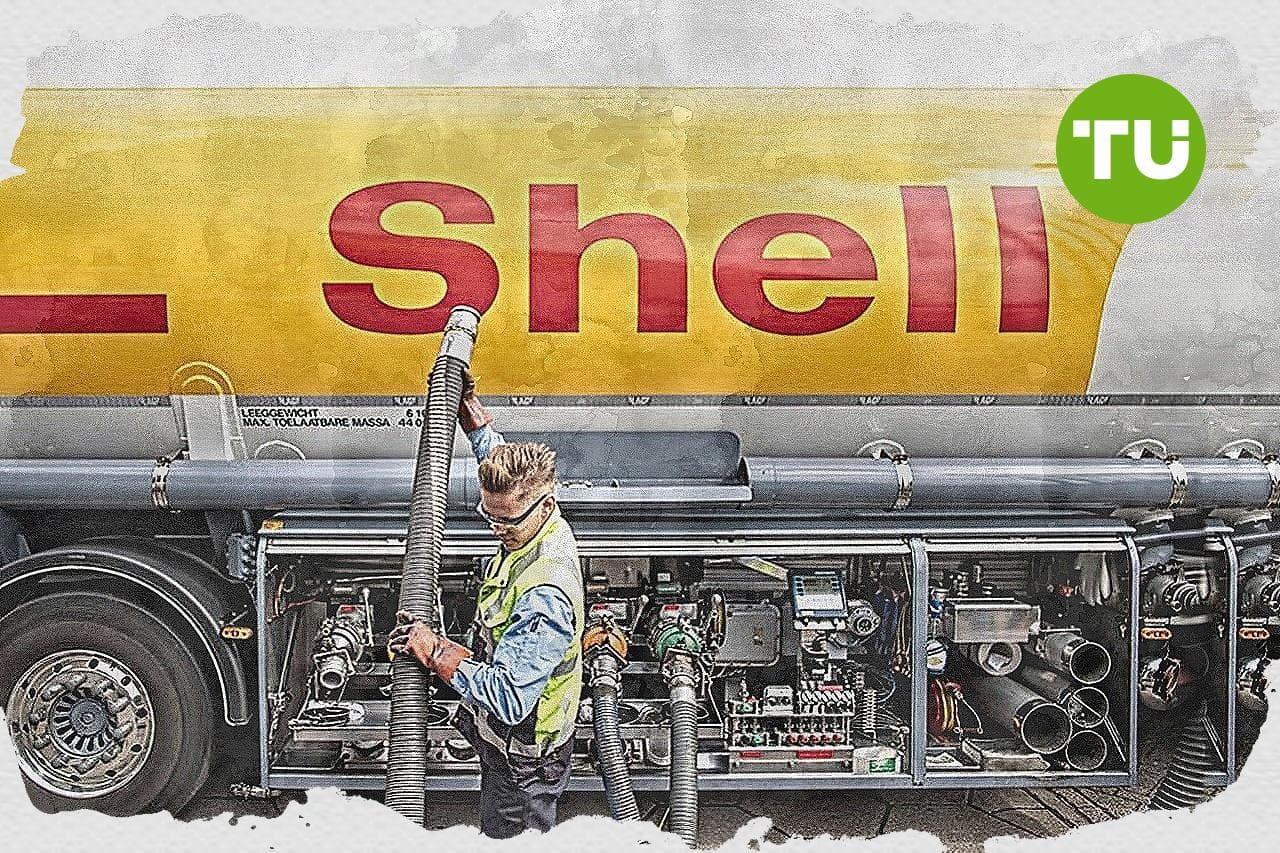
Shell plc (SHEL) stock is trading at GBX3,202.00, showing a decline of 2.81% on the day. The price remains under short- and medium-term moving averages, hovering above longer-term benchmarks.
 3212.00
3299.03
3212.00
3299.03
Highlights
- Shell completed a buyback of 1,900,813 shares at a volume-weighted average price of £32.15, reducing float and returning capital.
- Ongoing buybacks support Shell's per-share metrics, despite broader selling pressure affecting recent price action.
- Technical indicators show strong short-term buyer momentum, with GBX3,140.49–3,320.50 as the forecast range and resistance at GBX3,230.75.
Share buyback offers support amid sustained selling pressure
Shell plc completed the purchase of 1,900,813 shares for cancellation as part of its share buy-back program, with transactions conducted across the London Stock Exchange, Chi-X, and BATS at a volume-weighted average price of approximately £32.15. This buyback directly reduces the float and represents a capital return to shareholders, providing some mechanical support for per-share metrics. The action was part of Shell’s ongoing capital allocation strategy, though price action has remained under broader selling pressure.
Technical upside momentum contrasts with resistance and gap risk
On the hourly chart, SHEL is trading below the MA-20 and MA-50, with the long-term MA-200 acting as support at GBX2,945.61. The Ichimoku Kijun level at GBX3,230.75 marks immediate resistance. Momentum indicators show strong buying: MACD and ADX both give Buy readings, the RSI sits at 72.37, and the AO, Stoch RSI, CCI, and BBP all point to overbought conditions. Intraday volatility is low, and the price saw a negative gap of 107, underscoring a divergence between strong momentum signals and the day’s bearish performance.
Sideways bias holds as breakout hinges on resistance test
In the short term, price is expected to move within the GBX3,140.49 to GBX3,320.50 band, reflecting typical volatility relative to current levels. There is a 77% probability of an upside move, with a 23% chance of a downward shift. The baseline scenario anticipates sideways consolidation; a breakout above the Kijun resistance could trigger a test of the range’s upper limit, while a support failure would potentially see price approach the lower end.
Earlier, analysts noted that Shell’s stock was exhibiting long-term uptrend characteristics, though near-term technical signals pointed to potential consolidation as conflicting momentum readings emerged. The recent selloff and ongoing buyback activity now introduce short-term volatility within a defined trading band, making the Kijun resistance at GBX3,230.75 a critical marker for traders watching for a breakout or renewed downside risk.




Latest Shell News







-
 Afghanistan
-
 Albania
-
 Algeria
-
 Angola
-
 Argentina
-
 Armenia
-
 Australia
-
 Austria
-
 Azerbaijan
-
 Bahamas
-
 Bahrain
-
 Bangladesh
-
 Belarus
-
 Belgium
-
 Bolivia
-
 Botswana
-
 Brazil
-
 Brunei
-
 Bulgaria
-
 Cambodia
-
 Cameroon
-
 Canada
-
 Chile
Chile
-
 China
China
-
 Colombia
-
 Congo
Congo
-
 Costa Rica
-
 Cote d'Ivoire
-
 Croatia
-
 Cuba
Cuba
-
 Cyprus
-
 Czechia
-
 DR Congo
-
 Denmark
-
 Dominican Republic
-
 Ecuador
-
 Egypt
Egypt
-
 El Salvador
-
 Estonia
-
 Eswatini
-
 Ethiopia
-
 Finland
-
 France
-
 Georgia
-
 Germany
-
 Ghana
Ghana
-
 Greece
-
 Haiti
Haiti
-
 Hong Kong
-
 Hungary
-
 India
India
-
 Indonesia
-
 Iran, Islamic republic
-
 Iraq
Iraq
-
 Ireland
-
 Israel
-
 Italy
Italy
-
 Jamaica
-
 Japan
Japan
-
 Jordan
-
 Kazakhstan
-
 Kenya
Kenya
-
 Korea
Korea
-
 Kuwait
-
 Kyrgyzstan
-
 Laos
Laos
-
 Latvia
-
 Lebanon
-
 Lesotho
-
 Libya
Libya
-
 Lithuania
-
 Luxembourg
-
 Madagascar
-
 Malaysia
-
 Malta
Malta
-
 Mauritius
-
 Mexico
-
 Moldova
-
 Mongolia
-
 Montenegro
-
 Morocco
-
 Mozambique
-
 Myanmar
-
 Namibia
-
 Nepal
Nepal
-
 Netherlands
-
 New Zealand
-
 Nigeria
-
 North Macedonia
-
 Norway
-
 Oman
Oman
-
 Pakistan
-
 Palestine
-
 Panama
-
 Papua New Guinea
-
 Paraguay
-
 Peru
Peru
-
 Philippines
-
 Poland
-
 Portugal
-
 Puerto Rico
-
 Qatar
Qatar
-
 Reunion
-
 Romania
-
 Rwanda
-
 Saudi Arabia
-
 Serbia
-
 Singapore
-
 Slovakia
-
 Slovenia
-
 Somalia
-
 South Africa
-
 Spain
Spain
-
 Sri Lanka
-
 Sweden
-
 Switzerland
-
 Syria
Syria
-
 Taiwan
-
 Tajikistan
-
 Tanzania
-
 Thailand
-
 Trinidad and Tobago
-
 Tunisia
-
 Turkey
-
 UAE
UAE
-
 Uganda
-
 Ukraine
-
 United Kingdom
-
United States
-
 Uruguay
-
 Uzbekistan
-
 Venezuela
-
 Vietnam
-
 Yemen
Yemen
-
 Zambia
-
 Zimbabwe
- Forex
- Crypto












