
SpaceX debut exposes gap between market spectacle and valuation models

SpaceX's first trading day turns into a market spectacle as investors focus on the company's mission and trading momentum as much as conventional valuation metrics. The stock closes at $160.95, up 19 per cent on its IPO price, after opening at $150 and generating $83bn in trading volume.
Highlights
- SpaceX opens at $150, trades mostly between $165 and $175, and closes at $160.95 on brisk but orderly first-day trading.
- Prediction markets such as Polymarket implied a $2tn to $2.5tn market capitalization and anticipated the first-day price range more accurately than institutional forecasts.
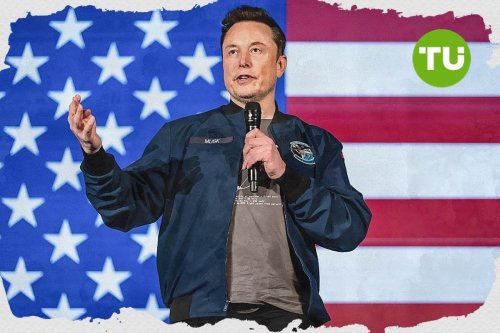
- Investor demand centers less on traditional valuation frameworks and more on Elon Musk's appeal, with debate expected to continue as options trading and lock-up expiries approach.
First-day trading points to crowd pricing power
As reported by Financial Times, SpaceX's market debut draws unusually intense attention across the financial community, with pre-opening price indications on Nasdaq and activity on prediction and grey markets offering a running gauge of expectations.The stock opens at $150, trades mostly between $165 and $175, and ends the session at $160.95. Trading is brisk but orderly once shares go live, producing what the commentary describes as a textbook first day for a closely watched IPO.
Prediction markets and alternative trading venues appear to capture the outcome more accurately than many institutional voices. Bets on Polymarket imply a closing market capitalisation of $2tn to $2.5tn, while the grey market on Hyperliquid prices the company within its eventual first-day range through the prior week despite volatility.
Valuation debate shifts to investor behaviour
Many fund managers, investment bankers not tied to the lead underwriters, and market commentators take a negative view of the offering, with some institutions participating mainly because of size or index considerations rather than strong conviction.The article argues that the usual valuation framework may not fully explain demand for SpaceX. Rather than relying only on discounted cash flow logic, investors may be buying into Elon Musk's broader project and public following, treating the shares partly as participation in a mission rather than only ownership in a business.
Even so, the first day does not settle the debate. A late-session pullback suggests some investors are taking profits, while the next phase of trading is likely to be shaped by possible index-related demand, the start of options trading on Tuesday, and future selling pressure as lock-up periods for early investors and employees expire.
In our earlier coverage of SpaceX’s Nasdaq debut, we explained how the IPO’s more than $2 trillion valuation reignited debate over which companies truly define today’s market leadership. We also noted that strategists were already testing new “Magnificent Seven”-style groupings—potentially adding SpaceX and other major AI names—while acknowledging that the original label may still persist.




Latest Hyperliquid News





-
 Afghanistan
-
 Albania
-
 Algeria
-
 Angola
-
 Argentina
-
 Armenia
-
 Australia
-
 Austria
-
 Azerbaijan
-
 Bahamas
-
 Bahrain
-
 Bangladesh
-
 Belarus
-
 Belgium
-
 Bolivia
-
 Botswana
-
 Brazil
-
 Brunei
-
 Bulgaria
-
 Cambodia
-
 Cameroon
-
 Canada
-
 Chile
Chile
-
 China
China
-
 Colombia
-
 Congo
Congo
-
 Costa Rica
-
 Cote d'Ivoire
-
 Croatia
-
 Cuba
Cuba
-
 Cyprus
-
 Czechia
-
 DR Congo
-
 Denmark
-
 Dominican Republic
-
 Ecuador
-
 Egypt
Egypt
-
 El Salvador
-
 Estonia
-
 Eswatini
-
 Ethiopia
-
 Finland
-
 France
-
 Georgia
-
 Germany
-
 Ghana
Ghana
-
 Greece
-
 Haiti
Haiti
-
 Hong Kong
-
 Hungary
-
 India
India
-
 Indonesia
-
 Iran, Islamic republic
-
 Iraq
Iraq
-
 Ireland
-
 Israel
-
 Italy
Italy
-
 Jamaica
-
 Japan
Japan
-
 Jordan
-
 Kazakhstan
-
 Kenya
Kenya
-
 Korea
Korea
-
 Kuwait
-
 Kyrgyzstan
-
 Laos
Laos
-
 Latvia
-
 Lebanon
-
 Lesotho
-
 Libya
Libya
-
 Lithuania
-
 Luxembourg
-
 Madagascar
-
 Malaysia
-
 Malta
Malta
-
 Mauritius
-
 Mexico
-
 Moldova
-
 Mongolia
-
 Montenegro
-
 Morocco
-
 Mozambique
-
 Myanmar
-
 Namibia
-
 Nepal
Nepal
-
 Netherlands
-
 New Zealand
-
 Nigeria
-
 North Macedonia
-
 Norway
-
 Oman
Oman
-
 Pakistan
-
 Palestine
-
 Panama
-
 Papua New Guinea
-
 Paraguay
-
 Peru
Peru
-
 Philippines
-
 Poland
-
 Portugal
-
 Puerto Rico
-
 Qatar
Qatar
-
 Reunion
-
 Romania
-
 Rwanda
-
 Saudi Arabia
-
 Serbia
-
 Singapore
-
 Slovakia
-
 Slovenia
-
 Somalia
-
 South Africa
-
 Spain
Spain
-
 Sri Lanka
-
 Sweden
-
 Switzerland
-
 Syria
Syria
-
 Taiwan
-
 Tajikistan
-
 Tanzania
-
 Thailand
-
 Trinidad and Tobago
-
 Tunisia
-
 Turkey
-
 UAE
UAE
-
 Uganda
-
 Ukraine
-
 United Kingdom
-
United States
-
 Uruguay
-
 Uzbekistan
-
 Venezuela
-
 Vietnam
-
 Yemen
Yemen
-
 Zambia
-
 Zimbabwe
- Forex
- Crypto












