
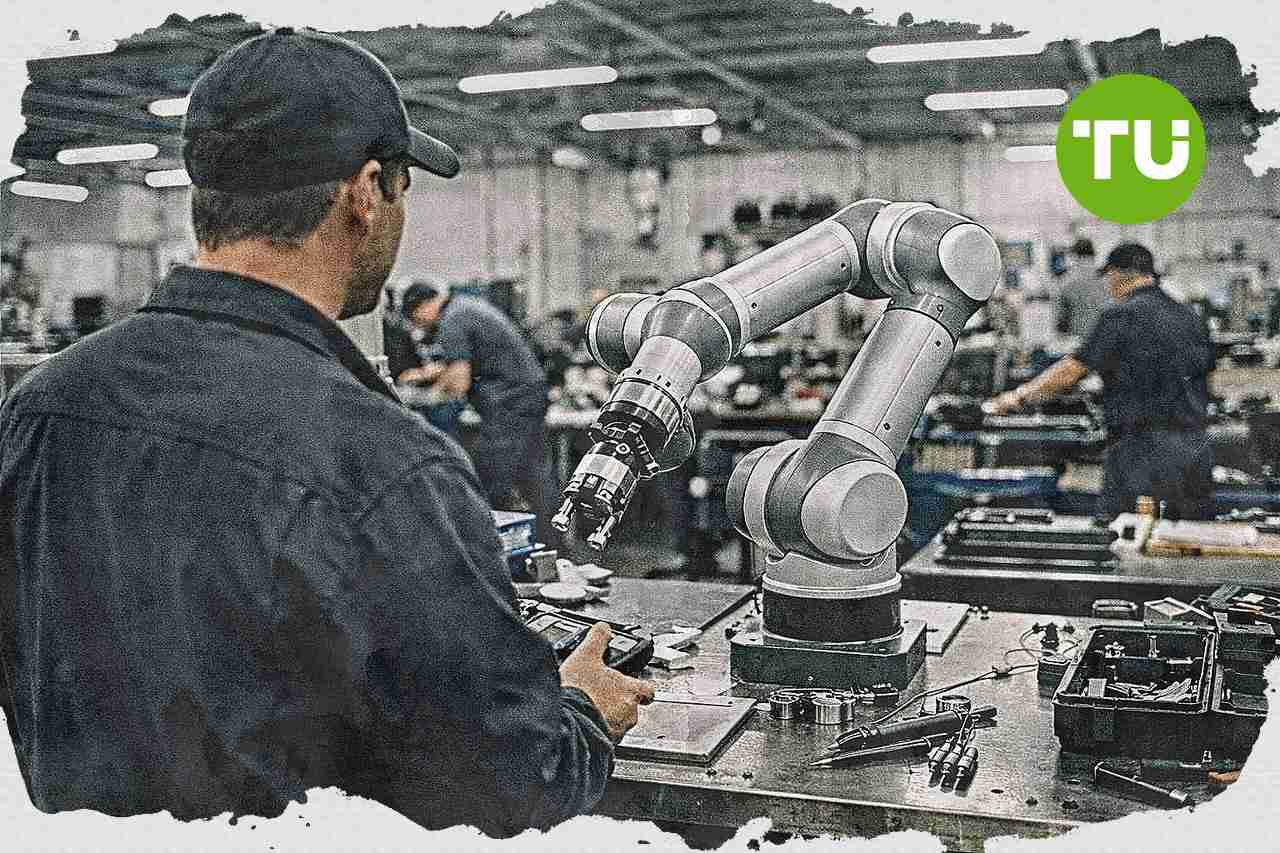
As concern over artificial intelligence’s effect on employment grows in the U.S., pressure is building on major technology companies to back policies that protect workers before large-scale displacement takes hold. The argument centers on using corporate commitments and tax policy to steer AI-driven productivity gains toward retraining, redeployment and higher-quality jobs rather than lay-offs.
Highlights
- Policy proposals suggest a redeployment tax credit covering up to 75 per cent of apprenticeship or training costs and 50 per cent of first-year wages for AI-impacted jobs.
- Funding options include corporate surtax, ending full expensing for automation investments, an AI token tax or compute tax, with larger businesses facing higher levies to incentivize pro-worker choices.
- A Treasury, Commerce and Labor departments–reviewed application process would prioritize employers applying jointly with workers, aiming to ensure AI gains are shared more directly across the workforce.
Policy proposals for pro-worker AI
As reported by Financial Times, the debate is shifting from whether AI could disrupt jobs to how companies and policymakers should respond before losses deepen. The central case is that technology groups should not treat worker anxiety mainly as a regulatory risk, but as a legitimate response to economic changes that may undermine living standards and job security.The commentary argues that businesses should begin demonstrating confidence in AI-led job creation within their own operations. That includes supporting retraining, redeployment and internal pathways for workers whose roles are affected by automation, rather than waiting until displacement becomes more severe.
It also points to earlier corporate models in which large employers offered redeployment instead of severance, and to postwar cooperation between chief executives and unions on "automation funds" intended to soften job losses. In that context, the piece says business leaders should support a redeployment tax credit that encourages apprenticeships, skills upgrading and on-the-job training over lay-offs.
Under the proposal, funding could come from business through a corporate surtax, the end of full expensing for automation investment, an AI token tax or a compute tax, or a mix of those measures. The suggested credit could cover as much as 75 per cent of apprenticeship or training costs for new jobs and up to 50 per cent of first-year wages, with clawback provisions for employers that fail to honor worker commitments.
Implications for U.S. business and labor
The broader message is that only public policy is likely to enforce pro-human AI development, even if voluntary corporate support would mark a meaningful shift. A competitive application process reviewed by the Treasury, Commerce and Labor departments is presented as one way to limit deadweight loss, or the risk of subsidizing actions companies would have taken anyway.Priority in the proposed system would go to employers applying jointly with workers, reinforcing the idea that AI-related gains should be shared more directly across the workforce. The article contends that larger businesses should face higher taxes to create incentives that lower taxes only for companies choosing redeployment, augmentation or job-sharing paired with higher wages.
While acknowledging that such an approach would be imperfect, the argument is that the U.S. should begin working through the mechanics now rather than wait for the worst effects of AI-driven lay-offs to emerge. The aim is to ensure the economic benefits of AI strengthen dignity, security and work opportunities for many workers, not only boost returns for a small group of companies and investors.
Our earlier article on the IRS Electronic Tax Administration Advisory Committee’s 2026 annual report outlined 18 recommendations to modernize digital tax administration and improve taxpayer service. It highlighted calls for predictable IRS funding, continued technology upgrades, stronger fraud prevention, and expanded oversight of tax return preparers. The piece also underscored how modernization efforts increasingly intersect with AI and human-centered design as agencies upgrade systems and controls.










-
 Afghanistan
-
 Albania
-
 Algeria
-
 Angola
-
 Argentina
-
 Armenia
-
 Australia
-
 Austria
-
 Azerbaijan
-
 Bahamas
-
 Bahrain
-
 Bangladesh
-
 Belarus
-
 Belgium
-
 Bolivia
-
 Botswana
-
 Brazil
-
 Brunei
-
 Bulgaria
-
 Cambodia
-
 Cameroon
-
 Canada
-
 Chile
Chile
-
 China
China
-
 Colombia
-
 Congo
Congo
-
 Costa Rica
-
 Cote d'Ivoire
-
 Croatia
-
 Cuba
Cuba
-
 Cyprus
-
 Czechia
-
 DR Congo
-
 Denmark
-
 Dominican Republic
-
 Ecuador
-
 Egypt
Egypt
-
 El Salvador
-
 Estonia
-
 Eswatini
-
 Ethiopia
-
 Finland
-
 France
-
 Georgia
-
 Germany
-
 Ghana
Ghana
-
 Greece
-
 Haiti
Haiti
-
 Hong Kong
-
 Hungary
-
 India
India
-
 Indonesia
-
 Iran, Islamic republic
-
 Iraq
Iraq
-
 Ireland
-
 Israel
-
 Italy
Italy
-
 Jamaica
-
 Japan
Japan
-
 Jordan
-
 Kazakhstan
-
 Kenya
Kenya
-
 Korea
Korea
-
 Kuwait
-
 Kyrgyzstan
-
 Laos
Laos
-
 Latvia
-
 Lebanon
-
 Lesotho
-
 Libya
Libya
-
 Lithuania
-
 Luxembourg
-
 Madagascar
-
 Malaysia
-
 Malta
Malta
-
 Mauritius
-
 Mexico
-
 Moldova
-
 Mongolia
-
 Montenegro
-
 Morocco
-
 Mozambique
-
 Myanmar
-
 Namibia
-
 Nepal
Nepal
-
 Netherlands
-
 New Zealand
-
 Nigeria
-
 North Macedonia
-
 Norway
-
 Oman
Oman
-
 Pakistan
-
 Palestine
-
 Panama
-
 Papua New Guinea
-
 Paraguay
-
 Peru
Peru
-
 Philippines
-
 Poland
-
 Portugal
-
 Puerto Rico
-
 Qatar
Qatar
-
 Reunion
-
 Romania
-
 Rwanda
-
 Saudi Arabia
-
 Serbia
-
 Singapore
-
 Slovakia
-
 Slovenia
-
 Somalia
-
 South Africa
-
 Spain
Spain
-
 Sri Lanka
-
 Sweden
-
 Switzerland
-
 Syria
Syria
-
 Taiwan
-
 Tajikistan
-
 Tanzania
-
 Thailand
-
 Trinidad and Tobago
-
 Tunisia
-
 Turkey
-
 UAE
UAE
-
 Uganda
-
 Ukraine
-
 United Kingdom
-
United States
-
 Uruguay
-
 Uzbekistan
-
 Venezuela
-
 Vietnam
-
 Yemen
Yemen
-
 Zambia
-
 Zimbabwe
- Forex
- Crypto











