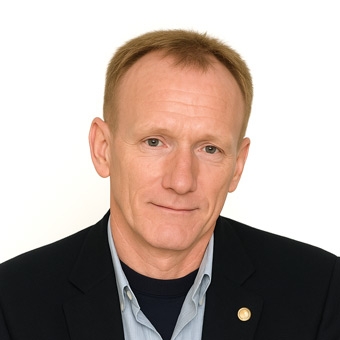
UK Labour leadership debate centers on hope as party weighs post-Starmer path

As Labour faces renewed scrutiny over its political direction, debate is intensifying over whether the party can reconnect with voters through a more optimistic public message. Andy Burnham is presented as a figure who may offer that reset, as concern grows that frustration across parts of the UK is opening more space for Nigel Farage.
Highlights
- Andy Burnham emerges as a leading Labour leadership contender due to his optimistic public persona, regional identity, and perceived responsiveness to neglected voters.
- Labour's lack of hopeful narrative under Keir Starmer risks losing voters to harsher alternatives like Farage, especially as voter pessimism hardens into anger across parts of the UK.
- Sustained public pessimism increases strategic commercial and political risks for Labour, intensifying demands for credible recovery plans and leadership renewal.
Burnham’s appeal in Labour’s leadership debate
As reported by Financial Times, the central argument is that Keir Starmer’s failure lies not only in policy mistakes or weak political management, but in an inability to persuade voters and even Labour MPs that he offers hope. The piece argues that Labour’s caution in opposition, its limited electoral mandate and Starmer’s gloomy tone in office combine to create a sense that the party has lacked a compelling story about national renewal.Against that backdrop, Andy Burnham is portrayed as a potential route back to voter engagement. His advantage is described less in ideological terms than in public manner, with a genial persona, ease with people and an apparent willingness to listen to voters who feel neglected by mainstream politics. His profile as a northern mayor also strengthens that appeal, because it ties his politics to regional identity and to the positive, outward-facing role that large-city mayors often perform.
The argument also stresses that optimism alone is not enough. Voters may respond strongly to character and tone, but any successor to Starmer still needs a credible programme and the ability to show that change can be delivered. Political hope, in that view, only lasts when it is matched by a workable plan and visible results.
Rising risks from voter anger across the UK
The broader warning is that a lack of hope does not simply weaken Labour, it risks pushing more voters toward harsher political alternatives. In parts of the UK, the article says hopelessness is already hardening into anger, creating an opening for Farage, who is presented as the closest current expression of a more impatient and confrontational form of political hope.That appeal, however, is also shown to depend on tone. Farage is described as strongest when he appears upbeat and relatable, framing himself as a defender of Britain’s better days, and weaker when he appears aggressive. The implication is that even populist challengers understand that optimism remains central to electoral success.
For Labour, the commercial and political significance is clear in strategic terms, because prolonged public pessimism can deepen instability in the governing environment and increase pressure on the party’s leadership choices. The article concludes that after years of disappointment, voters are likely to demand both a more convincing sense of purpose and firmer evidence that any promised recovery can be achieved.
In our earlier article on Andy Burnham’s Makerfield by-election bid, we explained how a win could return the Manchester mayor to Parliament and strengthen his profile as a potential successor to Keir Starmer. We also noted that the contest was being watched as a test of Labour’s internal stability in a strained national environment, with right-wing competition and aggressive online campaigning adding to the political stakes.





Latest UK News








-
 Afghanistan
-
 Albania
-
 Algeria
-
 Angola
-
 Argentina
-
 Armenia
-
 Australia
-
 Austria
-
 Azerbaijan
-
 Bahamas
-
 Bahrain
-
 Bangladesh
-
 Belarus
-
 Belgium
-
 Bolivia
-
 Botswana
-
 Brazil
-
 Brunei
-
 Bulgaria
-
 Cambodia
-
 Cameroon
-
 Canada
-
 Chile
Chile
-
 China
China
-
 Colombia
-
 Congo
Congo
-
 Costa Rica
-
 Cote d'Ivoire
-
 Croatia
-
 Cuba
Cuba
-
 Cyprus
-
 Czechia
-
 DR Congo
-
 Denmark
-
 Dominican Republic
-
 Ecuador
-
 Egypt
Egypt
-
 El Salvador
-
 Estonia
-
 Eswatini
-
 Ethiopia
-
 Finland
-
 France
-
 Georgia
-
 Germany
-
 Ghana
Ghana
-
 Greece
-
 Haiti
Haiti
-
 Hong Kong
-
 Hungary
-
 India
India
-
 Indonesia
-
 Iran, Islamic republic
-
 Iraq
Iraq
-
 Ireland
-
 Israel
-
 Italy
Italy
-
 Jamaica
-
 Japan
Japan
-
 Jordan
-
 Kazakhstan
-
 Kenya
Kenya
-
 Korea
Korea
-
 Kuwait
-
 Kyrgyzstan
-
 Laos
Laos
-
 Latvia
-
 Lebanon
-
 Lesotho
-
 Libya
Libya
-
 Lithuania
-
 Luxembourg
-
 Madagascar
-
 Malaysia
-
 Malta
Malta
-
 Mauritius
-
 Mexico
-
 Moldova
-
 Mongolia
-
 Montenegro
-
 Morocco
-
 Mozambique
-
 Myanmar
-
 Namibia
-
 Nepal
Nepal
-
 Netherlands
-
 New Zealand
-
 Nigeria
-
 North Macedonia
-
 Norway
-
 Oman
Oman
-
 Pakistan
-
 Palestine
-
 Panama
-
 Papua New Guinea
-
 Paraguay
-
 Peru
Peru
-
 Philippines
-
 Poland
-
 Portugal
-
 Puerto Rico
-
 Qatar
Qatar
-
 Reunion
-
 Romania
-
 Rwanda
-
 Saudi Arabia
-
 Serbia
-
 Singapore
-
 Slovakia
-
 Slovenia
-
 Somalia
-
 South Africa
-
 Spain
Spain
-
 Sri Lanka
-
 Sweden
-
 Switzerland
-
 Syria
Syria
-
 Taiwan
-
 Tajikistan
-
 Tanzania
-
 Thailand
-
 Trinidad and Tobago
-
 Tunisia
-
 Turkey
-
 UAE
UAE
-
 Uganda
-
 Ukraine
-
 United Kingdom
-
United States
-
 Uruguay
-
 Uzbekistan
-
 Venezuela
-
 Vietnam
-
 Yemen
Yemen
-
 Zambia
-
 Zimbabwe
- Forex
- Crypto












