
Senate Judiciary panel advances nominations as Grassley presses Democrats on blue slip practice
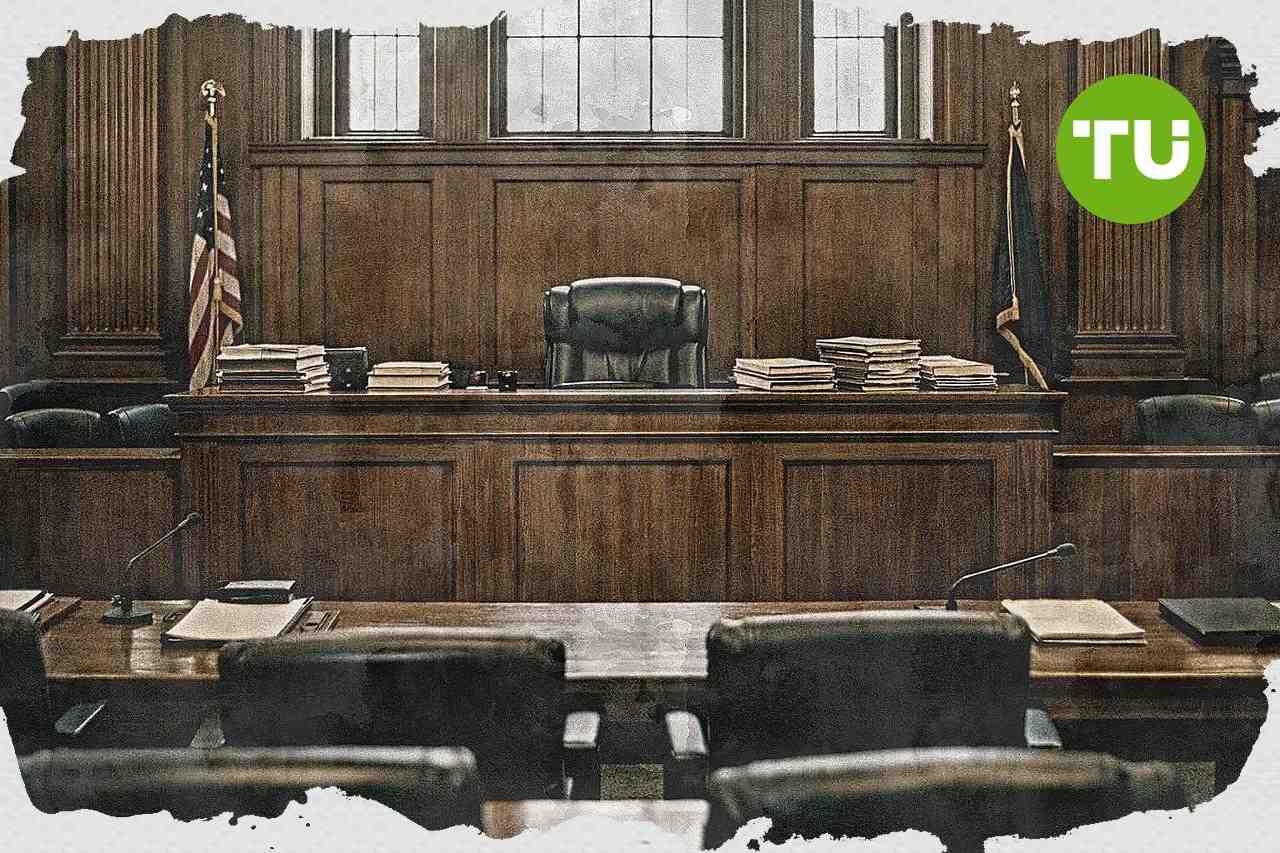
The Senate Judiciary Committee is voting on eight nominations and three bills as Chairman Chuck Grassley sharpens his criticism of Democratic handling of judicial and prosecutorial appointments. The agenda combines court transparency measures and AI-related protections with a broader dispute over whether Senate blue slip norms can continue under rising partisan friction.
Highlights
- Senate Judiciary Committee advances six judicial nominees, Don Berthiaume for Justice Department inspector general, Sean Costello for U.S. Attorney, and three legislative bills on court transparency and AI likeness protection.
- Senator Grassley warns that Democrats' failure to return blue slips for district court and U.S. Attorney nominees, especially in New York, threatens the viability of the longstanding blue slip tradition.
- Grassley criticizes Senate Democrats for not confirming a single civilian nominee by voice vote or unanimous consent in Trump's second term, leading to greater procedural strain and more time-consuming nominee packages.
Committee agenda and Grassley’s warning
As reported by the Senate Committee on the Judiciary, the panel is considering two circuit court nominees, four district court nominees, Don Berthiaume for Justice Department inspector general, Sean Costello for U.S. Attorney for the Southern District of Alabama, and three bills tied to courtroom access and AI-generated likeness protections.Grassley says the six judicial nominees are highly qualified and urges bipartisan support for their confirmation. He also backs S.1133, the Sunshine in the Courtroom Act of 2025, S.1146, the Cameras in the Courtroom Act, and S.4591, the NO FAKES Act of 2026, describing the court coverage measures as a way to improve transparency and public trust, while casting the AI bill as a step to protect individuals from exploitation through digital replicas.
Before the votes, Grassley turns to the Senate’s blue slip practice and argues that it is becoming harder to sustain because some senators are not working with the White House in good faith on district court and U.S. Attorney nominees. He says Democrats want to preserve the tradition while, in his view, undermining the conditions needed for it to function.
Nomination process faces broader procedural strain
Grassley points to New York vacancies as a central example, saying President Trump announced this week that he will not move forward with a new Director of National Intelligence or approve FISA until a new U.S. Attorney is installed in the Southern District of New York. He says Senator Chuck Schumer has for more than a year declined to return a blue slip or consider the administration’s nominee, and has also not engaged on other U.S. Attorney and district court openings in the state.He contrasts that with what he describes as broader cooperation during the first Trump and Biden administrations, when senators from the opposing party returned hundreds of blue slips for district court and U.S. Attorney nominees. Grassley also says Senate Democrats still have not allowed a single civilian nominee to be confirmed by voice vote and unanimous consent during Trump’s second term, a shift he argues consumes floor time and forces Republicans to move nominees in en bloc packages.
Grassley says some senators, including members of the committee, are still working with the White House to fill vacancies and he encourages those efforts to continue. He warns that Senate customs and norms will survive only if both parties act in good faith, and says Democrats must end what he calls obstruction if the blue slip practice is to continue.
Proposed restrictions on congressional prediction-market betting have moved into the spotlight as lawmakers weigh tighter ethics rules around trading and wagering. Our earlier article explained that the measure would bar members of Congress and their families from betting on politics, policy, and elections, while still allowing wagers on nonpolitical events, and noted that the effort faces a difficult path in the Senate amid limited bipartisan support.





Latest CMA News







-
 Afghanistan
-
 Albania
-
 Algeria
-
 Angola
-
 Argentina
-
 Armenia
-
 Australia
-
 Austria
-
 Azerbaijan
-
 Bahamas
-
 Bahrain
-
 Bangladesh
-
 Belarus
-
 Belgium
-
 Bolivia
-
 Botswana
-
 Brazil
-
 Brunei
-
 Bulgaria
-
 Cambodia
-
 Cameroon
-
 Canada
-
 Chile
Chile
-
 China
China
-
 Colombia
-
 Congo
Congo
-
 Costa Rica
-
 Cote d'Ivoire
-
 Croatia
-
 Cuba
Cuba
-
 Cyprus
-
 Czechia
-
 DR Congo
-
 Denmark
-
 Dominican Republic
-
 Ecuador
-
 Egypt
Egypt
-
 El Salvador
-
 Estonia
-
 Eswatini
-
 Ethiopia
-
 Finland
-
 France
-
 Georgia
-
 Germany
-
 Ghana
Ghana
-
 Greece
-
 Haiti
Haiti
-
 Hong Kong
-
 Hungary
-
 India
India
-
 Indonesia
-
 Iran, Islamic republic
-
 Iraq
Iraq
-
 Ireland
-
 Israel
-
 Italy
Italy
-
 Jamaica
-
 Japan
Japan
-
 Jordan
-
 Kazakhstan
-
 Kenya
Kenya
-
 Korea
Korea
-
 Kuwait
-
 Kyrgyzstan
-
 Laos
Laos
-
 Latvia
-
 Lebanon
-
 Lesotho
-
 Libya
Libya
-
 Lithuania
-
 Luxembourg
-
 Madagascar
-
 Malaysia
-
 Malta
Malta
-
 Mauritius
-
 Mexico
-
 Moldova
-
 Mongolia
-
 Montenegro
-
 Morocco
-
 Mozambique
-
 Myanmar
-
 Namibia
-
 Nepal
Nepal
-
 Netherlands
-
 New Zealand
-
 Nigeria
-
 North Macedonia
-
 Norway
-
 Oman
Oman
-
 Pakistan
-
 Palestine
-
 Panama
-
 Papua New Guinea
-
 Paraguay
-
 Peru
Peru
-
 Philippines
-
 Poland
-
 Portugal
-
 Puerto Rico
-
 Qatar
Qatar
-
 Reunion
-
 Romania
-
 Rwanda
-
 Saudi Arabia
-
 Serbia
-
 Singapore
-
 Slovakia
-
 Slovenia
-
 Somalia
-
 South Africa
-
 Spain
Spain
-
 Sri Lanka
-
 Sweden
-
 Switzerland
-
 Syria
Syria
-
 Taiwan
-
 Tajikistan
-
 Tanzania
-
 Thailand
-
 Trinidad and Tobago
-
 Tunisia
-
 Turkey
-
 UAE
UAE
-
 Uganda
-
 Ukraine
-
 United Kingdom
-
United States
-
 Uruguay
-
 Uzbekistan
-
 Venezuela
-
 Vietnam
-
 Yemen
Yemen
-
 Zambia
-
 Zimbabwe
- Forex
- Crypto












