Federal Reserve leadership shift tests Warsh’s inflation and policy strategy
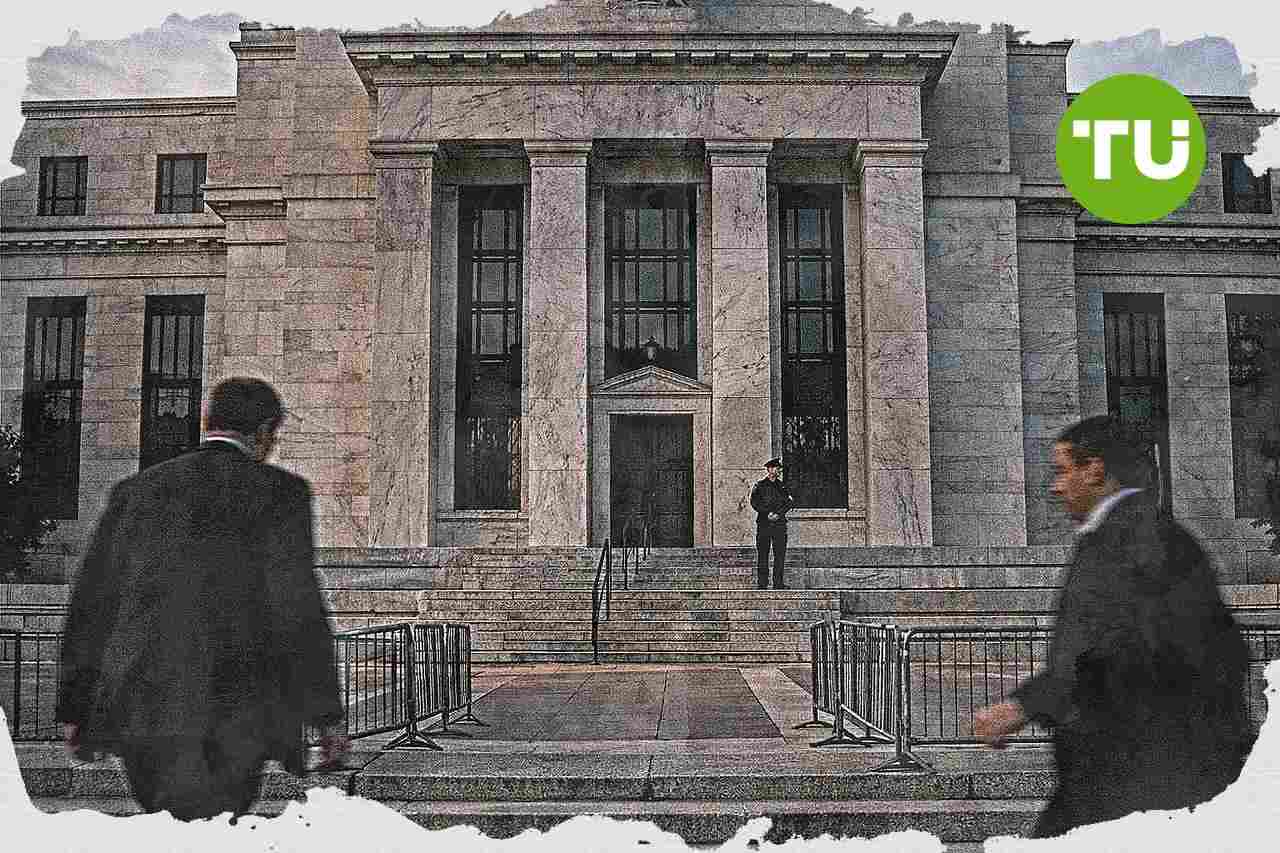
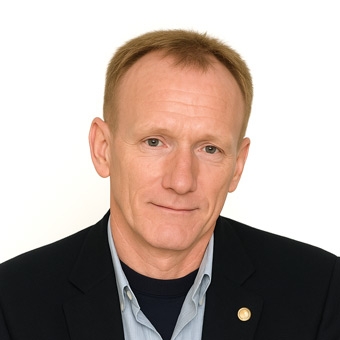
Kevin Warsh takes over the Federal Reserve as pressure builds to preserve credibility on inflation, manage relations inside the central bank and navigate a sensitive political backdrop. His first meeting as head of the policy committee this week signals an effort to reshape the institution, while leaving him dependent on support from fellow policymakers and restraint from the White House.
Highlights
- Kevin Warsh faces constraints as new Federal Reserve chair, balancing presidential support and rebuilding trust with officials like Jerome Powell.
- Warsh signaled an intention to influence the FOMC, but sustaining growth and stable prices relies on securing both committee and White House backing.
- The Fed's ability to curb inflation to its 2% target hinges on its independence, with presidential acceptance crucial to avoiding policy-related conflicts.
Leadership challenges at the Federal Reserve
As Bloomberg reports, Warsh enters the chairmanship facing several immediate constraints that reach beyond monetary policy. He must avoid clashing with a president whose backing helped secure the role, while also rebuilding ties with Federal Reserve officials he recently criticized, including former Chair Jerome Powell, who remains on the board for now.Those tensions complicate his effort to show that the central bank remains focused on returning inflation to its 2% target. The task is especially delicate because he is trying to establish authority at the same time as he reassures markets and colleagues about the Fed’s policy commitment.
White House ties and policy room
Warsh leaves little doubt after his first meeting this week that he intends to make an impact on the Federal Open Market Committee. But the outlook outlined in the commentary suggests that delivering steady growth and stable prices depends not only on internal support from committee allies, but also on enough room for maneuver from the White House.The broader implication is that Fed independence remains central to the policy outlook. If the president accepts that an independent central bank also serves his own interests, Warsh may have more scope to pursue inflation control without intensifying political friction.
In our earlier article on Goldman Sachs’ revised gold outlook, we explained that the bank cut its year-end gold target after dialing back expectations for Federal Reserve rate cuts in 2026. The piece noted that a more hawkish Fed stance under new Chair Kevin Warsh—alongside his emphasis on restoring price stability—has weighed on bullion, even as central-bank buying remains a key longer-term support.










-
 Afghanistan
-
 Albania
-
 Algeria
-
 Angola
-
 Argentina
-
 Armenia
-
 Australia
-
 Austria
-
 Azerbaijan
-
 Bahamas
-
 Bahrain
-
 Bangladesh
-
 Belarus
-
 Belgium
-
 Bolivia
-
 Botswana
-
 Brazil
-
 Brunei
-
 Bulgaria
-
 Cambodia
-
 Cameroon
-
 Canada
-
 Chile
Chile
-
 China
China
-
 Colombia
-
 Congo
Congo
-
 Costa Rica
-
 Cote d'Ivoire
-
 Croatia
-
 Cuba
Cuba
-
 Cyprus
-
 Czechia
-
 DR Congo
-
 Denmark
-
 Dominican Republic
-
 Ecuador
-
 Egypt
Egypt
-
 El Salvador
-
 Estonia
-
 Eswatini
-
 Ethiopia
-
 Finland
-
 France
-
 Georgia
-
 Germany
-
 Ghana
Ghana
-
 Greece
-
 Haiti
Haiti
-
 Hong Kong
-
 Hungary
-
 India
India
-
 Indonesia
-
 Iran, Islamic republic
-
 Iraq
Iraq
-
 Ireland
-
 Israel
-
 Italy
Italy
-
 Jamaica
-
 Japan
Japan
-
 Jordan
-
 Kazakhstan
-
 Kenya
Kenya
-
 Korea
Korea
-
 Kuwait
-
 Kyrgyzstan
-
 Laos
Laos
-
 Latvia
-
 Lebanon
-
 Lesotho
-
 Libya
Libya
-
 Lithuania
-
 Luxembourg
-
 Madagascar
-
 Malaysia
-
 Malta
Malta
-
 Mauritius
-
 Mexico
-
 Moldova
-
 Mongolia
-
 Montenegro
-
 Morocco
-
 Mozambique
-
 Myanmar
-
 Namibia
-
 Nepal
Nepal
-
 Netherlands
-
 New Zealand
-
 Nigeria
-
 North Macedonia
-
 Norway
-
 Oman
Oman
-
 Pakistan
-
 Palestine
-
 Panama
-
 Papua New Guinea
-
 Paraguay
-
 Peru
Peru
-
 Philippines
-
 Poland
-
 Portugal
-
 Puerto Rico
-
 Qatar
Qatar
-
 Reunion
-
 Romania
-
 Rwanda
-
 Saudi Arabia
-
 Serbia
-
 Singapore
-
 Slovakia
-
 Slovenia
-
 Somalia
-
 South Africa
-
 Spain
Spain
-
 Sri Lanka
-
 Sweden
-
 Switzerland
-
 Syria
Syria
-
 Taiwan
-
 Tajikistan
-
 Tanzania
-
 Thailand
-
 Trinidad and Tobago
-
 Tunisia
-
 Turkey
-
 UAE
UAE
-
 Uganda
-
 Ukraine
-
 United Kingdom
-
United States
-
 Uruguay
-
 Uzbekistan
-
 Venezuela
-
 Vietnam
-
 Yemen
Yemen
-
 Zambia
-
 Zimbabwe
- Forex
- Crypto











