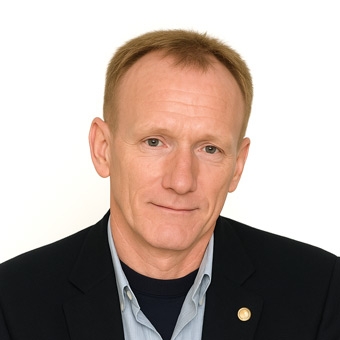
Fed AI task force backs pro-growth view on artificial intelligence

As the Federal Reserve weighs how artificial intelligence could reshape growth and inflation, Chairman Kevin Warsh is assembling advisers who broadly share his optimistic view of the technology. The group is set to contribute to policy discussions ahead of the Fed's next meeting at the end of July, while wider debate inside the central bank remains unsettled.
Highlights
- Fed AI task force, led by Kevin Warsh and including Marc Andreessen, Charles I. Jones, and Asha Sharma, will assess AI's economic impact for policy guidance.
- Task force adopts a pro-growth stance on AI, potentially informing Fed policy shifts such as lower interest rates if productivity rises without triggering inflation.
- Despite pro-AI sentiment, FOMC remains skeptical about timing and scale of AI-driven productivity gains, with rates likely unchanged at the late July meeting.
Task force lineup and policy mandate
As first reported by CNBC, Warsh has named venture capitalist Marc Andreessen, economist Charles I. Jones and Xbox CEO Asha Sharma to the Fed's artificial intelligence task force, one of five advisory groups he announced to support policy and institutional changes.The panel's formal mandate is to assess the economic impact of new general-purpose technologies, including artificial intelligence, to help inform the Federal Reserve's policy judgments. All three members have spoken or written positively about AI's potential effects on growth and productivity, aligning them with Warsh's long-held view that the technology can be economically transformative.
Warsh said in June that AI adoption is among the most significant changes in the economy he has witnessed. He has also suggested that advances in AI could allow the Fed to lower interest rates if faster growth comes without a corresponding rise in inflation.
Internal debate and market implications
Despite the task force's pro-AI orientation, persuading the broader Fed may prove difficult because recent internal discussions have shown skepticism about how quickly and how strongly AI can lift productivity.At their last meeting, Federal Open Market Committee members discussed uncertainty over the timing and scale of any productivity gains from AI. At the same time, the economy is heating up as technology companies deepen their use of artificial intelligence, adding to concerns about potential price increases in areas such as electricity and semiconductors.
The Fed's next meeting is scheduled for the end of July, when policymakers are expected to keep interest rates unchanged. The task forces are expected to complete their work by the end of the year.
Our earlier coverage of the Federal Reserve’s broad internal review under Chair Kevin Warsh described how the central bank set up five independent task forces to reassess its operating framework, from balance-sheet mechanics to emerging issues like artificial intelligence. We noted that the lineup blends academic and market perspectives and is intended to feed evidence-based findings back to the FOMC as it evaluates how economic changes could affect future policy decisions.



Latest Eurostat News







-
 Afghanistan
-
 Albania
-
 Algeria
-
 Angola
-
 Argentina
-
 Armenia
-
 Australia
-
 Austria
-
 Azerbaijan
-
 Bahamas
-
 Bahrain
-
 Bangladesh
-
 Belarus
-
 Belgium
-
 Bolivia
-
 Botswana
-
 Brazil
-
 Brunei
-
 Bulgaria
-
 Cambodia
-
 Cameroon
-
 Canada
-
 Chile
Chile
-
 China
China
-
 Colombia
-
 Congo
Congo
-
 Costa Rica
-
 Cote d'Ivoire
-
 Croatia
-
 Cuba
Cuba
-
 Cyprus
-
 Czechia
-
 DR Congo
-
 Denmark
-
 Dominican Republic
-
 Ecuador
-
 Egypt
Egypt
-
 El Salvador
-
 Estonia
-
 Eswatini
-
 Ethiopia
-
 Finland
-
 France
-
 Georgia
-
 Germany
-
 Ghana
Ghana
-
 Greece
-
 Haiti
Haiti
-
 Hong Kong
-
 Hungary
-
 India
India
-
 Indonesia
-
 Iran, Islamic republic
-
 Iraq
Iraq
-
 Ireland
-
 Israel
-
 Italy
Italy
-
 Jamaica
-
 Japan
Japan
-
 Jordan
-
 Kazakhstan
-
 Kenya
Kenya
-
 Korea
Korea
-
 Kuwait
-
 Kyrgyzstan
-
 Laos
Laos
-
 Latvia
-
 Lebanon
-
 Lesotho
-
 Libya
Libya
-
 Lithuania
-
 Luxembourg
-
 Madagascar
-
 Malaysia
-
 Malta
Malta
-
 Mauritius
-
 Mexico
-
 Moldova
-
 Mongolia
-
 Montenegro
-
 Morocco
-
 Mozambique
-
 Myanmar
-
 Namibia
-
 Nepal
Nepal
-
 Netherlands
-
 New Zealand
-
 Nigeria
-
 North Macedonia
-
 Norway
-
 Oman
Oman
-
 Pakistan
-
 Palestine
-
 Panama
-
 Papua New Guinea
-
 Paraguay
-
 Peru
Peru
-
 Philippines
-
 Poland
-
 Portugal
-
 Puerto Rico
-
 Qatar
Qatar
-
 Reunion
-
 Romania
-
 Rwanda
-
 Saudi Arabia
-
 Serbia
-
 Singapore
-
 Slovakia
-
 Slovenia
-
 Somalia
-
 South Africa
-
 Spain
Spain
-
 Sri Lanka
-
 Sweden
-
 Switzerland
-
 Syria
Syria
-
 Taiwan
-
 Tajikistan
-
 Tanzania
-
 Thailand
-
 Trinidad and Tobago
-
 Tunisia
-
 Turkey
-
 UAE
UAE
-
 Uganda
-
 Ukraine
-
 United Kingdom
-
United States
-
 Uruguay
-
 Uzbekistan
-
 Venezuela
-
 Vietnam
-
 Yemen
Yemen
-
 Zambia
-
 Zimbabwe
- Forex
- Crypto











