
UK Brexit debate shifts to closer EU ties as rejoin push remains premature
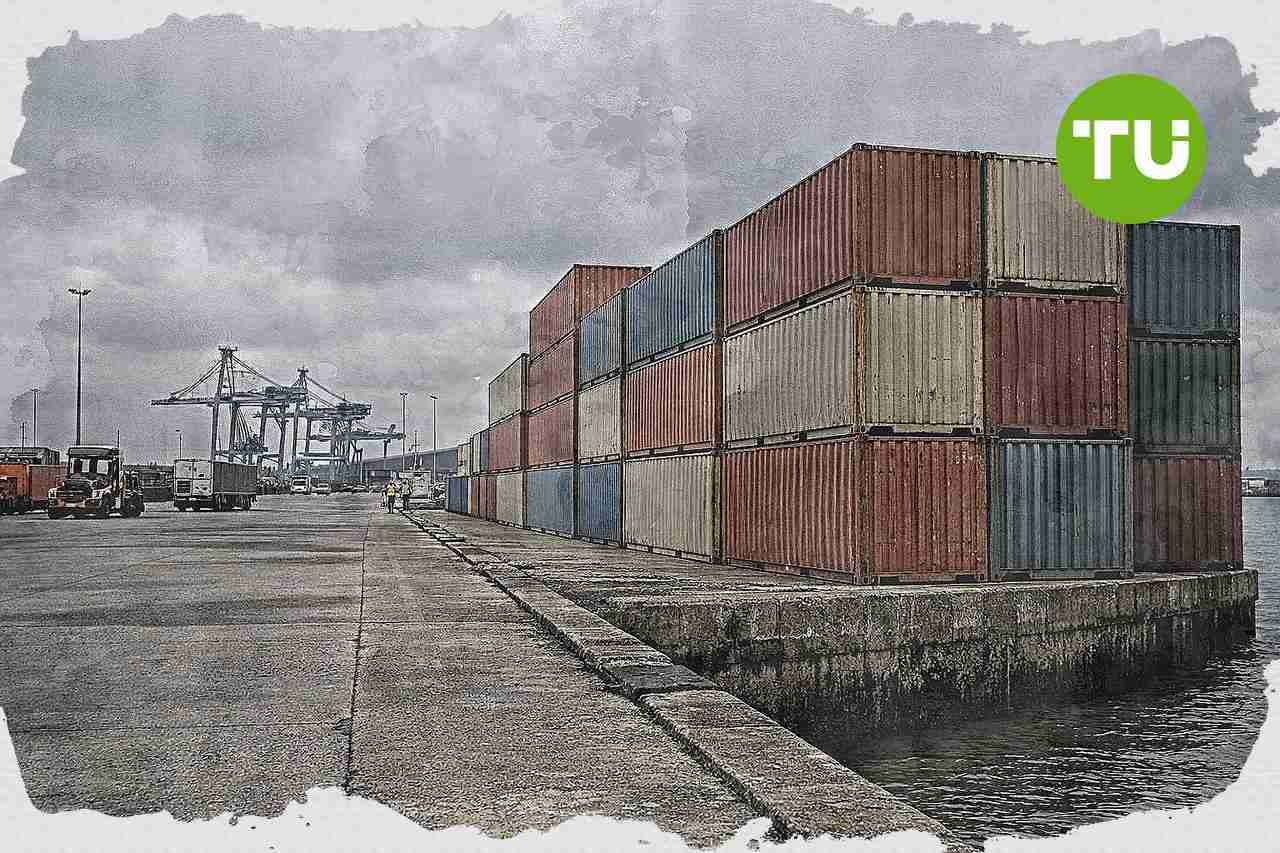
A decade after the vote to leave the EU, the UK is still grappling with weaker growth, lower trade performance and a more fragmented political landscape. The debate is now centring on whether Britain should rebuild practical economic ties with the bloc without reopening an immediate push to rejoin.
Highlights
- UK GDP is estimated to be 6-8 per cent smaller post-Brexit, with goods exports down 8 per cent since Q2 2016 despite stronger services performance.
- Productivity growth and business investment have stagnated, while anticipated Brexit regulatory benefits remain largely unrealized amid increasing global trade tensions.
- The article suggests Labour may soften positions on EU ties after a leadership change, favoring bespoke agreements over immediate EU re-entry due to significant trade-offs and ongoing domestic reform needs.
Economic damage shapes the new debate
As reported by Financial Times, the economic costs of Brexit remain central to the argument over Britain’s next step in Europe. The article says the UK’s GDP is estimated to be 6-8 per cent smaller than it would have been inside the EU, while goods exports in the most recent quarter are down 8 per cent from the second quarter of 2016, with stronger services exports only partly offsetting that weakness.It argues that productivity growth and business investment have flatlined, and that many of the promised gains from regulatory divergence have either failed to materialise or have not been fully used. In that assessment, the vision of “Global Britain” is giving way to a more isolated position as major powers compete more aggressively and trade tensions, including U.S. tariffs introduced by Donald Trump, add pressure.
The piece also links Brexit to deeper political strains inside the UK. It says the vote raised unrealistic expectations, reduced the resources available for public services and fed broader public distrust in the political class, contributing to fragmented politics and unstable governments.
Labour faces pressure to loosen red lines
The argument presented is not for an immediate campaign to rejoin the EU, but for a gradual move towards a closer and more tailored relationship. The article says a re-entry push now would consume political attention and could displace domestic structural reforms that Britain still needs to improve growth.Instead, it points to scope for a bespoke arrangement with the EU that stops short of restoring membership. With a change of Labour prime ministers described as imminent, the article suggests there may be an opening to soften some of Labour’s existing red lines, including opposition to returning to the single market, the customs union or freedom of movement.
Any closer arrangement would still involve trade-offs, especially around migration policy, but the article argues these could be worth making. It adds that EU leaders also have strategic reasons to support a tighter relationship with Britain, even if a Swiss-style model may hold little appeal, because closer alignment could bring mutual economic and geopolitical benefits.
In our earlier article on the 10-year anniversary Brexit debate, we examined how the referendum’s legacy has sharpened scrutiny of what happened after the 2016 vote and why Brexit’s promised freedoms have increasingly been associated with isolation and long-term costs. We also noted Boris Johnson’s acknowledgement that there was no post-vote preparation, and explained how these planning gaps continue to influence investor views of the UK’s political and economic uncertainty.


Latest Trade Deals News






-
 Afghanistan
-
 Albania
-
 Algeria
-
 Angola
-
 Argentina
-
 Armenia
-
 Australia
-
 Austria
-
 Azerbaijan
-
 Bahamas
-
 Bahrain
-
 Bangladesh
-
 Belarus
-
 Belgium
-
 Bolivia
-
 Botswana
-
 Brazil
-
 Brunei
-
 Bulgaria
-
 Cambodia
-
 Cameroon
-
 Canada
-
 Chile
Chile
-
 China
China
-
 Colombia
-
 Congo
Congo
-
 Costa Rica
-
 Cote d'Ivoire
-
 Croatia
-
 Cuba
Cuba
-
 Cyprus
-
 Czechia
-
 DR Congo
-
 Denmark
-
 Dominican Republic
-
 Ecuador
-
 Egypt
Egypt
-
 El Salvador
-
 Estonia
-
 Eswatini
-
 Ethiopia
-
 Finland
-
 France
-
 Georgia
-
 Germany
-
 Ghana
Ghana
-
 Greece
-
 Haiti
Haiti
-
 Hong Kong
-
 Hungary
-
 India
India
-
 Indonesia
-
 Iran, Islamic republic
-
 Iraq
Iraq
-
 Ireland
-
 Israel
-
 Italy
Italy
-
 Jamaica
-
 Japan
Japan
-
 Jordan
-
 Kazakhstan
-
 Kenya
Kenya
-
 Korea
Korea
-
 Kuwait
-
 Kyrgyzstan
-
 Laos
Laos
-
 Latvia
-
 Lebanon
-
 Lesotho
-
 Libya
Libya
-
 Lithuania
-
 Luxembourg
-
 Madagascar
-
 Malaysia
-
 Malta
Malta
-
 Mauritius
-
 Mexico
-
 Moldova
-
 Mongolia
-
 Montenegro
-
 Morocco
-
 Mozambique
-
 Myanmar
-
 Namibia
-
 Nepal
Nepal
-
 Netherlands
-
 New Zealand
-
 Nigeria
-
 North Macedonia
-
 Norway
-
 Oman
Oman
-
 Pakistan
-
 Palestine
-
 Panama
-
 Papua New Guinea
-
 Paraguay
-
 Peru
Peru
-
 Philippines
-
 Poland
-
 Portugal
-
 Puerto Rico
-
 Qatar
Qatar
-
 Reunion
-
 Romania
-
 Rwanda
-
 Saudi Arabia
-
 Serbia
-
 Singapore
-
 Slovakia
-
 Slovenia
-
 Somalia
-
 South Africa
-
 Spain
Spain
-
 Sri Lanka
-
 Sweden
-
 Switzerland
-
 Syria
Syria
-
 Taiwan
-
 Tajikistan
-
 Tanzania
-
 Thailand
-
 Trinidad and Tobago
-
 Tunisia
-
 Turkey
-
 UAE
UAE
-
 Uganda
-
 Ukraine
-
 United Kingdom
-
United States
-
 Uruguay
-
 Uzbekistan
-
 Venezuela
-
 Vietnam
-
 Yemen
Yemen
-
 Zambia
-
 Zimbabwe
- Forex
- Crypto











