

USTA expands premium seating to drive U.S. Open revenue growth
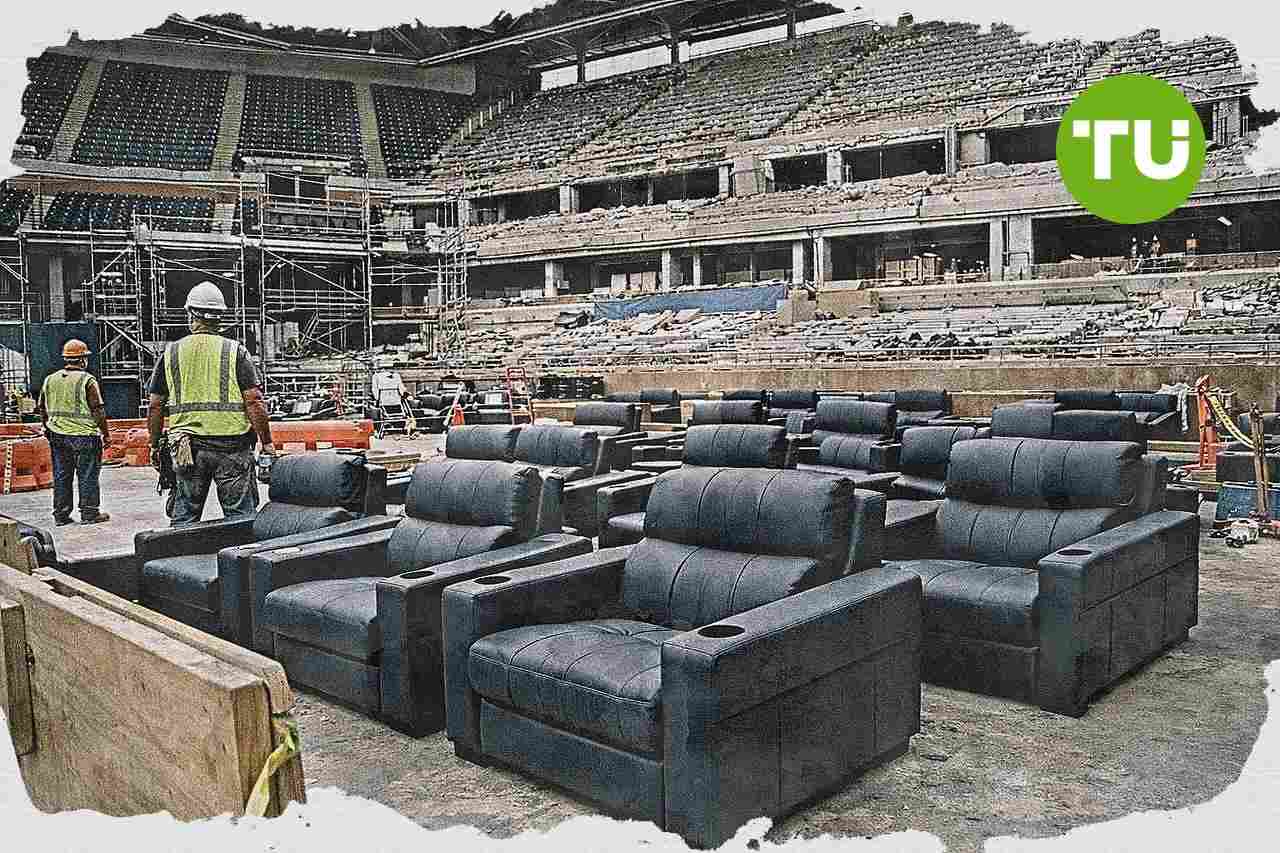
With completion of a three-year renovation now about a year away, the United States Tennis Association is reshaping Arthur Ashe Stadium to capture stronger demand for higher-end hospitality at the U.S. Open. The $800 million overhaul reduces overall capacity while adding courtside seating, clubs and luxury suites, underscoring how Grand Slam organisers are leaning on premium sales as pressure builds to raise prize money.
Highlights
- USTA renovates Arthur Ashe Stadium by adding 2,000 new courtside seats, removing 3,500 upper-tier seats, and introducing nine courtside clubs and a $250 million player facility.
- USTA earns $208 million from ticket sales in 2024 out of $623.8 million total revenue, with broadcast and sponsorships contributing $145 million and $130 million respectively.
- U.S. Open prize pool hit a record $90 million in the previous year as players seek to raise their share of Grand Slam revenues from 13–15% to 22% by 2030.
Arthur Ashe renovation targets higher-value sales
As reported by Financial Times, the USTA is adding 2,000 courtside seats to the 3,000 already in place at Arthur Ashe Stadium, while removing 3,500 lower-priced seats from the upper tier. The project also includes nine courtside clubs with bars and dining areas, two dedicated luxury suite levels, a widened upper concourse and a new $250 million player facility beside the arena.The venue, part of the Billie Jean King National Tennis Center in New York, currently holds about 24,000 spectators and is the largest tennis stadium in the world. Matt Rossetti of HOK, the lead architect, describes the refurbishment as “intense stadium surgery”, while USTA National Tennis Center chief operating officer Daniel Zausner says demand for premium hospitality has been especially strong since the Covid-19 pandemic.
The USTA says it fully funds the renovation and does not disclose revenue projections for the rebuilt stadium. Ticketing currently makes up about one-third of its revenue base, with ticket revenue reaching $208 million in the year ending 2024.
Grand Slam economics raise stakes for organisers and fans
The redevelopment comes as the four Grand Slam tournaments compete more aggressively for media income, sponsorships and affluent spectators in a fragmented global tennis market. Of the USTA's $623.8 million in operating revenue in 2024, broadcast revenue contributes $145 million, sponsorships bring in $130 million, and corporate hospitality and services account for $83 million.Other major tournaments are also investing heavily in facilities. Tennis Australia spends nearly A$1 billion on upgrades including Kia Arena and a new player facility, Roland-Garros completes a $415 million renovation in Paris, and the All England Lawn Tennis Club plans new courts and an 8,000-seat stadium at Wimbledon.
At the same time, players are pressing for a larger share of tournament income. Tennis players currently receive 13% to 15% of Grand Slam revenues and are seeking 22% by 2030, while last year's U.S. Open prize pool reaches a record $90 million and tensions over compensation persist.
The shift toward premium inventory also raises concerns about affordability for general spectators. The USTA says some Arthur Ashe tickets are available below $60 face value this year, but those seats sell out quickly, and with more than half the stadium now in the upper tier, the planned seat reduction could make lower-cost access harder after the U.S. Open draws a record 1.1 million visitors last year.
In our earlier article on U.S. airlines’ shift toward premium travel, we explained that higher fuel costs and stronger demand for higher-end products are widening the gap between major carriers and low-cost rivals. We noted that network airlines are increasingly relying on premium cabins and loyalty revenue to sustain growth, while smaller carriers retreat to niche routes as the low-fare model comes under structural pressure.





Latest Fed News






-
 Afghanistan
-
 Albania
-
 Algeria
-
 Angola
-
 Argentina
-
 Armenia
-
 Australia
-
 Austria
-
 Azerbaijan
-
 Bahamas
-
 Bahrain
-
 Bangladesh
-
 Belarus
-
 Belgium
-
 Bolivia
-
 Botswana
-
 Brazil
-
 Brunei
-
 Bulgaria
-
 Cambodia
-
 Cameroon
-
 Canada
-
 Chile
Chile
-
 China
China
-
 Colombia
-
 Congo
Congo
-
 Costa Rica
-
 Cote d'Ivoire
-
 Croatia
-
 Cuba
Cuba
-
 Cyprus
-
 Czechia
-
 DR Congo
-
 Denmark
-
 Dominican Republic
-
 Ecuador
-
 Egypt
Egypt
-
 El Salvador
-
 Estonia
-
 Eswatini
-
 Ethiopia
-
 Finland
-
 France
-
 Georgia
-
 Germany
-
 Ghana
Ghana
-
 Greece
-
 Haiti
Haiti
-
 Hong Kong
-
 Hungary
-
 India
India
-
 Indonesia
-
 Iran, Islamic republic
-
 Iraq
Iraq
-
 Ireland
-
 Israel
-
 Italy
Italy
-
 Jamaica
-
 Japan
Japan
-
 Jordan
-
 Kazakhstan
-
 Kenya
Kenya
-
 Korea
Korea
-
 Kuwait
-
 Kyrgyzstan
-
 Laos
Laos
-
 Latvia
-
 Lebanon
-
 Lesotho
-
 Libya
Libya
-
 Lithuania
-
 Luxembourg
-
 Madagascar
-
 Malaysia
-
 Malta
Malta
-
 Mauritius
-
 Mexico
-
 Moldova
-
 Mongolia
-
 Montenegro
-
 Morocco
-
 Mozambique
-
 Myanmar
-
 Namibia
-
 Nepal
Nepal
-
 Netherlands
-
 New Zealand
-
 Nigeria
-
 North Macedonia
-
 Norway
-
 Oman
Oman
-
 Pakistan
-
 Palestine
-
 Panama
-
 Papua New Guinea
-
 Paraguay
-
 Peru
Peru
-
 Philippines
-
 Poland
-
 Portugal
-
 Puerto Rico
-
 Qatar
Qatar
-
 Reunion
-
 Romania
-
 Rwanda
-
 Saudi Arabia
-
 Serbia
-
 Singapore
-
 Slovakia
-
 Slovenia
-
 Somalia
-
 South Africa
-
 Spain
Spain
-
 Sri Lanka
-
 Sweden
-
 Switzerland
-
 Syria
Syria
-
 Taiwan
-
 Tajikistan
-
 Tanzania
-
 Thailand
-
 Trinidad and Tobago
-
 Tunisia
-
 Turkey
-
 UAE
UAE
-
 Uganda
-
 Ukraine
-
 United Kingdom
-
United States
-
 Uruguay
-
 Uzbekistan
-
 Venezuela
-
 Vietnam
-
 Yemen
Yemen
-
 Zambia
-
 Zimbabwe
- Forex
- Crypto












