
U.S. budget airline model loses ground as premium demand lifts major carriers
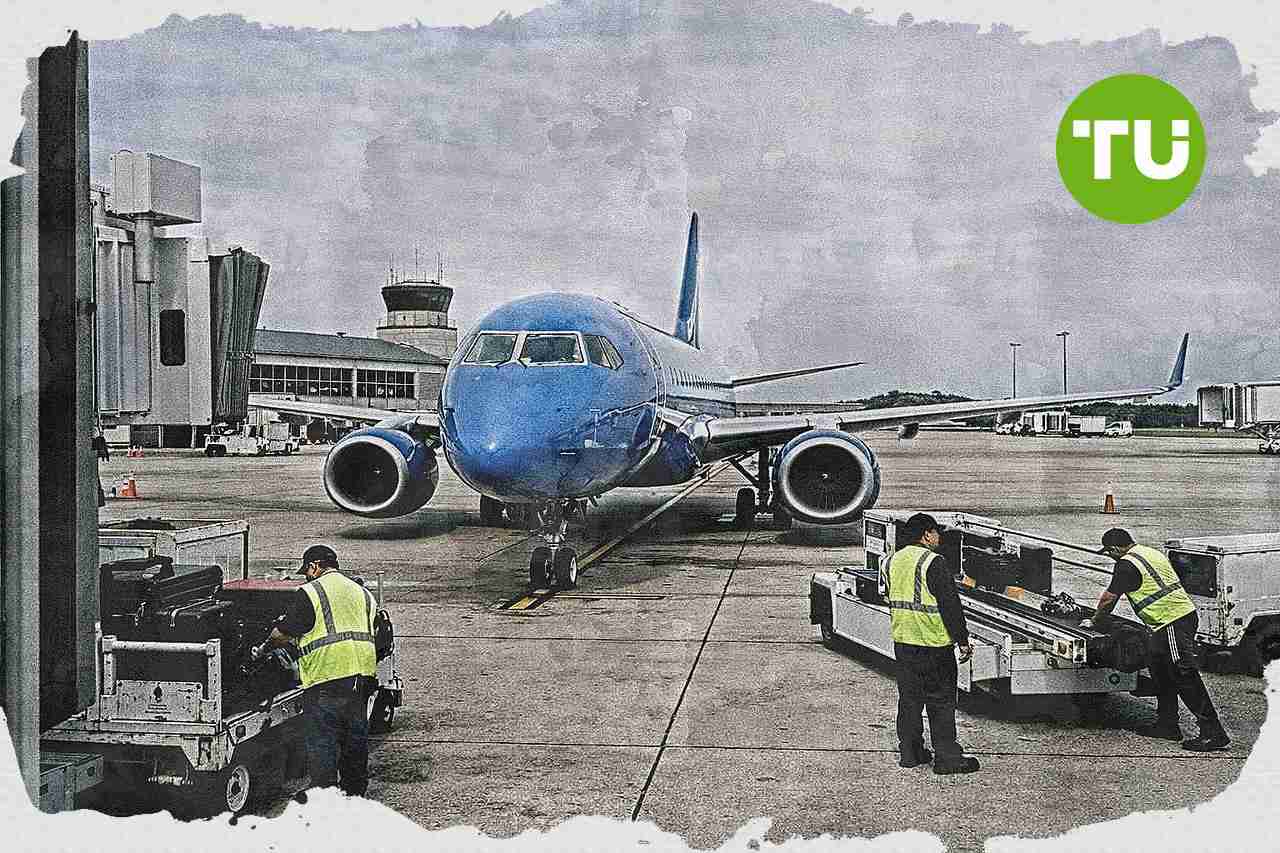
Summer air travel in the U.S. is shifting toward a market where fewer low-fare options are available and large network airlines are gaining strength. Spirit Airlines' disappearance, combined with higher fuel costs and stronger premium demand, suggests the low-cost model is facing structural pressure rather than a temporary setback.
Highlights
- Delta Air Lines projects record $58.3 billion revenue for 2025 as premium offerings and loyalty programs account for 60% of total revenue, offsetting economy ticket sales decline.
- United Airlines reports $3.5 billion adjusted net profit for 2025, up 6%, with premium seat revenue growing 11% year-on-year despite geopolitical disruptions.
- U.S. carriers face 56.4% higher jet fuel costs in March versus February, with total fuel spending rising to $5.06 billion, pressuring low-cost airlines to retreat from major routes and focus on niche markets.
Premium demand and cost pressures reshape competition
As reported by CNBC, the gap between major U.S. airlines and low-cost carriers is widening as premium travel and loyalty revenue support the largest operators while smaller rivals struggle with costs.Delta Air Lines says its 2025 annual revenue reaches a record $58.3 billion, even though economy ticket sales fall by $1.1 billion from a year earlier. Premium ticket sales offset that decline, and 60% of Delta's total revenue now comes from higher-margin businesses such as premium cabins, loyalty programs and cargo.
United Airlines also posts stronger results, with adjusted net profit of $3.5 billion for 2025, up 6%, while premium seat revenue rises 11% for the full year. The carrier says demand remains strong despite disruption tied to war in the Middle East, helped by travelers who are less sensitive to price.
Kyle Potter, editor of Thrifty Traveler, says fuel and labor costs are too high to justify the lowest fares and that airlines need scale to compete effectively. Data from the Department of Transportation released last month show U.S. carriers spend 56.4% more on jet fuel in March than in February, with total fuel spending rising to $5.06 billion from $3.23 billion and running 30% above March 2025 levels.
Smaller carriers focus on niche routes
Low-cost airlines that remain in the market are increasingly concentrating on secondary cities and less contested airports, where the biggest carriers are less aggressive. Potter says Allegiant, Breeze and Avelo have found room to operate between smaller second- and third-tier cities, but any effort to become nationally significant is likely to draw a stronger response from American, Delta and United.Other airlines are already adjusting their networks after Spirit's demise. Southwest exits Chicago O'Hare this month and consolidates flights at Midway, while JetBlue plans to stop serving Manchester, New Hampshire, on July 7 and is shifting more focus to Fort Lauderdale while trimming service at LaGuardia and Newark.
Scott Schaefer, chair of the Economics Department at the University of Utah's David Eccles School of Business, says high fuel costs are reducing the number of profitable routes and limiting how much remaining low-cost carriers can replace Spirit's lost capacity. He says Allegiant and Breeze are unlikely to fill all of those gaps soon.
Breeze Airways rejects comparisons with Spirit's ultra-low-cost structure and says its model is built around underserved or unserved routes from secondary airports, usually with nonstop service. The airline says demand in those markets continues to hold up, citing a 95% airport retention rate and arguing that it is adding service only where data support sustainable growth.
In our earlier article on WTI crude trading near multi-week lows around $76–77 per barrel, we noted that oil remained under technical pressure after breaking below the $80–81 zone. The piece explained that the market was stripping out a Middle East geopolitical risk premium as concerns over Strait of Hormuz disruptions eased, while attention shifted back to rising OPEC+ supply and the risk of a second-half surplus.














-
 Afghanistan
-
 Albania
-
 Algeria
-
 Angola
-
 Argentina
-
 Armenia
-
 Australia
-
 Austria
-
 Azerbaijan
-
 Bahamas
-
 Bahrain
-
 Bangladesh
-
 Belarus
-
 Belgium
-
 Bolivia
-
 Botswana
-
 Brazil
-
 Brunei
-
 Bulgaria
-
 Cambodia
-
 Cameroon
-
 Canada
-
 Chile
Chile
-
 China
China
-
 Colombia
-
 Congo
Congo
-
 Costa Rica
-
 Cote d'Ivoire
-
 Croatia
-
 Cuba
Cuba
-
 Cyprus
-
 Czechia
-
 DR Congo
-
 Denmark
-
 Dominican Republic
-
 Ecuador
-
 Egypt
Egypt
-
 El Salvador
-
 Estonia
-
 Eswatini
-
 Ethiopia
-
 Finland
-
 France
-
 Georgia
-
 Germany
-
 Ghana
Ghana
-
 Greece
-
 Haiti
Haiti
-
 Hong Kong
-
 Hungary
-
 India
India
-
 Indonesia
-
 Iran, Islamic republic
-
 Iraq
Iraq
-
 Ireland
-
 Israel
-
 Italy
Italy
-
 Jamaica
-
 Japan
Japan
-
 Jordan
-
 Kazakhstan
-
 Kenya
Kenya
-
 Korea
Korea
-
 Kuwait
-
 Kyrgyzstan
-
 Laos
Laos
-
 Latvia
-
 Lebanon
-
 Lesotho
-
 Libya
Libya
-
 Lithuania
-
 Luxembourg
-
 Madagascar
-
 Malaysia
-
 Malta
Malta
-
 Mauritius
-
 Mexico
-
 Moldova
-
 Mongolia
-
 Montenegro
-
 Morocco
-
 Mozambique
-
 Myanmar
-
 Namibia
-
 Nepal
Nepal
-
 Netherlands
-
 New Zealand
-
 Nigeria
-
 North Macedonia
-
 Norway
-
 Oman
Oman
-
 Pakistan
-
 Palestine
-
 Panama
-
 Papua New Guinea
-
 Paraguay
-
 Peru
Peru
-
 Philippines
-
 Poland
-
 Portugal
-
 Puerto Rico
-
 Qatar
Qatar
-
 Reunion
-
 Romania
-
 Rwanda
-
 Saudi Arabia
-
 Serbia
-
 Singapore
-
 Slovakia
-
 Slovenia
-
 Somalia
-
 South Africa
-
 Spain
Spain
-
 Sri Lanka
-
 Sweden
-
 Switzerland
-
 Syria
Syria
-
 Taiwan
-
 Tajikistan
-
 Tanzania
-
 Thailand
-
 Trinidad and Tobago
-
 Tunisia
-
 Turkey
-
 UAE
UAE
-
 Uganda
-
 Ukraine
-
 United Kingdom
-
United States
-
 Uruguay
-
 Uzbekistan
-
 Venezuela
-
 Vietnam
-
 Yemen
Yemen
-
 Zambia
-
 Zimbabwe
- Forex
- Crypto












