
U.S. State Department expands Pax Silica with new signatories and Panama AI supply chain pilot
The U.S. Department of State is broadening its Pax Silica initiative as it pushes for closer economic coordination on artificial intelligence and supply chain security among allied and partner economies. The effort, launched in December 2025, now spans policy alignment on AI, new membership commitments, a planned logistics pilot in Panama, and a workforce partnership with Stanford University.
Highlights
- The 2026 Pax Silica Summit yielded a Joint Statement on AI Opportunity with the U.S. and nearly 36 economies supporting pro-growth AI regulation and secure global supply chains.
- Pax Silica added 10 more signatories—including Argentina, EU, Germany, and Panama—expanding to 24 members, with Taiwan endorsing the declaration principles via a joint statement.
- The State Department announced a Panama AI supply chain pilot integrating credentialing with customs and ports, plus a new Stanford partnership for advanced manufacturing workforce training across Pax Silica economies.
Summit actions widen AI supply chain agenda
As reported by the U.S. Department of State, the 2026 Pax Silica Summit produces a Joint Statement on AI Opportunity signed by the United States and nearly three dozen participating economies, aimed at supporting a pro-growth and pro-innovation regulatory approach to AI while securing global AI supply chains.The statement focuses on builders, startups, developers and the private sector. Countries listed as signatories so far include Argentina, Armenia, Australia, Bahrain, Chile, Costa Rica, Denmark, El Salvador, Estonia, Finland, Germany, Greece, India, Israel, Italy, Japan, Kazakhstan, Latvia, Lithuania, the Netherlands, New Zealand, Norway, Panama, Paraguay, the Philippines, Poland, Portugal, Qatar, Republic of Korea, Singapore, Sweden, Turkiye, the United Arab Emirates, the UK and the U.S.
The summit also brings 10 additional partners into the Pax Silica Declaration, with Argentina, Chile, Costa Rica, El Salvador, the European Union, Germany, Greece, Kazakhstan, the Netherlands and Panama joining the initiative. Pax Silica now counts 24 signatories, while Taiwan endorses the declaration principles through a joint statement on Pax Silica and U.S.-Taiwan economic security cooperation.
Panama pilot and Stanford program add operational focus
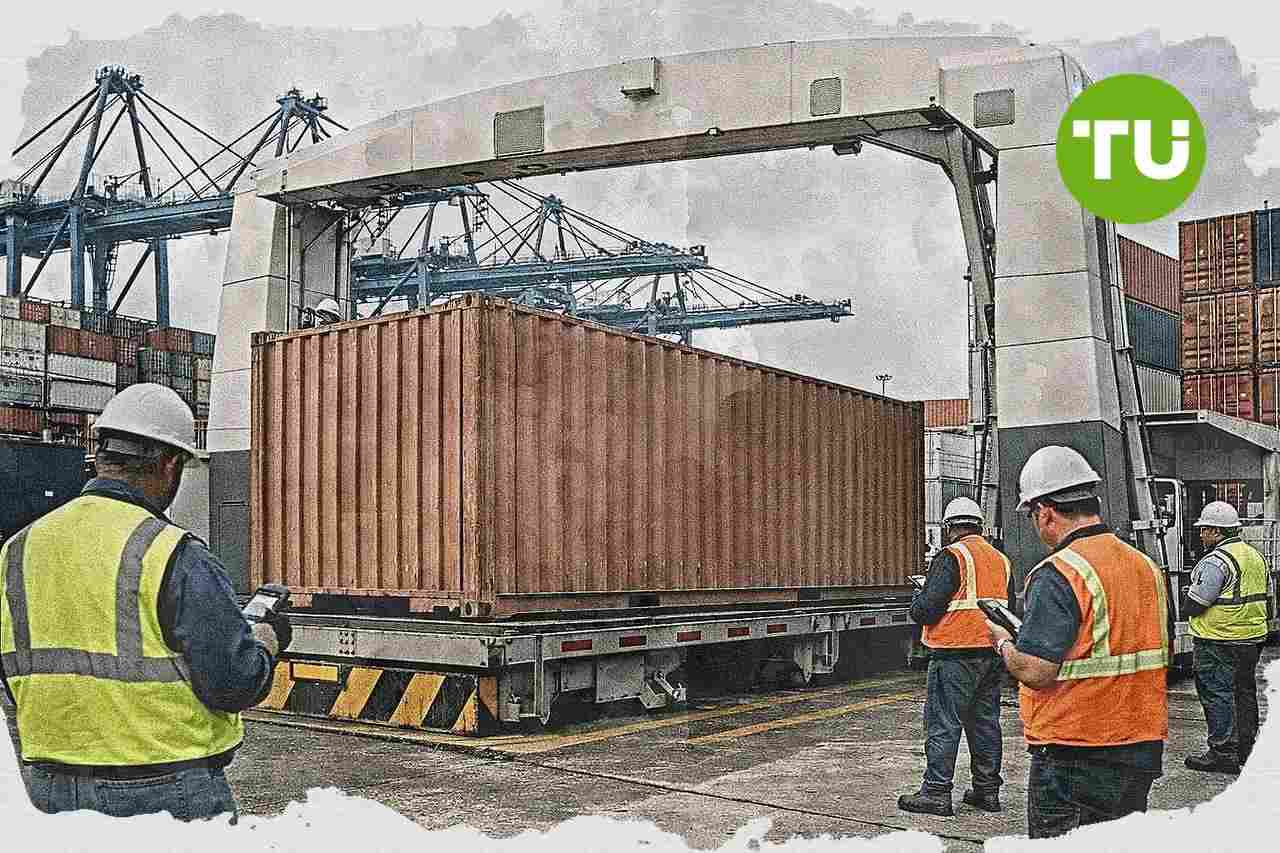
The State Department is planning a competitive Notice of Funding Opportunity for a Pax Silica Artificial Intelligence Assistance Project in Panama and for partners that ship high-value AI supply chain products through the country. The proposed project is designed to build an AI supply chain credentialing and provenance platform to speed shipments of semiconductors, AI infrastructure, critical minerals and related products.The platform is expected to integrate with customs, port operator and shipper tracking systems, with Panama serving as the initial pilot market through its ports and customs authorities. If that pilot succeeds, the department says it would seek a second phase that expands the system to other Pax Silica countries and economies.
On the final day of the summit, Under Secretary for Economic Affairs Jacob Helberg also unveils Foundry School, a workforce development initiative created with Stanford University. The program starts with a seminar series for founders and CEOs in advanced manufacturing and is paired with a curriculum developed jointly by Stanford and the State Department for adoption across Pax Silica economies.
The department says the initiative is meant to strengthen industrial capabilities tied to economic strength and national security. By linking AI governance, logistics security and skills development, Pax Silica is positioning itself as a broader framework for resilient technology and manufacturing supply chains.
Our earlier article on IBM’s sub-1nm chip breakthrough explained how the company’s next-generation semiconductor milestone, alongside an AI-driven cybersecurity partnership, helped fuel bullish investor sentiment. It also outlined the technical setup for IBM shares and the near-term range traders were watching as the market priced in the implications of faster, more energy-efficient chips for AI and high-performance computing.



Latest Supply Chain News










-
 Afghanistan
-
 Albania
-
 Algeria
-
 Angola
-
 Argentina
-
 Armenia
-
 Australia
-
 Austria
-
 Azerbaijan
-
 Bahamas
-
 Bahrain
-
 Bangladesh
-
 Belarus
-
 Belgium
-
 Bolivia
-
 Botswana
-
 Brazil
-
 Brunei
-
 Bulgaria
-
 Cambodia
-
 Cameroon
-
 Canada
-
 Chile
Chile
-
 China
China
-
 Colombia
-
 Congo
Congo
-
 Costa Rica
-
 Cote d'Ivoire
-
 Croatia
-
 Cuba
Cuba
-
 Cyprus
-
 Czechia
-
 DR Congo
-
 Denmark
-
 Dominican Republic
-
 Ecuador
-
 Egypt
Egypt
-
 El Salvador
-
 Estonia
-
 Eswatini
-
 Ethiopia
-
 Finland
-
 France
-
 Georgia
-
 Germany
-
 Ghana
Ghana
-
 Greece
-
 Haiti
Haiti
-
 Hong Kong
-
 Hungary
-
 India
India
-
 Indonesia
-
 Iran, Islamic republic
-
 Iraq
Iraq
-
 Ireland
-
 Israel
-
 Italy
Italy
-
 Jamaica
-
 Japan
Japan
-
 Jordan
-
 Kazakhstan
-
 Kenya
Kenya
-
 Korea
Korea
-
 Kuwait
-
 Kyrgyzstan
-
 Laos
Laos
-
 Latvia
-
 Lebanon
-
 Lesotho
-
 Libya
Libya
-
 Lithuania
-
 Luxembourg
-
 Madagascar
-
 Malaysia
-
 Malta
Malta
-
 Mauritius
-
 Mexico
-
 Moldova
-
 Mongolia
-
 Montenegro
-
 Morocco
-
 Mozambique
-
 Myanmar
-
 Namibia
-
 Nepal
Nepal
-
 Netherlands
-
 New Zealand
-
 Nigeria
-
 North Macedonia
-
 Norway
-
 Oman
Oman
-
 Pakistan
-
 Palestine
-
 Panama
-
 Papua New Guinea
-
 Paraguay
-
 Peru
Peru
-
 Philippines
-
 Poland
-
 Portugal
-
 Puerto Rico
-
 Qatar
Qatar
-
 Reunion
-
 Romania
-
 Rwanda
-
 Saudi Arabia
-
 Serbia
-
 Singapore
-
 Slovakia
-
 Slovenia
-
 Somalia
-
 South Africa
-
 Spain
Spain
-
 Sri Lanka
-
 Sweden
-
 Switzerland
-
 Syria
Syria
-
 Taiwan
-
 Tajikistan
-
 Tanzania
-
 Thailand
-
 Trinidad and Tobago
-
 Tunisia
-
 Turkey
-
 UAE
UAE
-
 Uganda
-
 Ukraine
-
 United Kingdom
-
United States
-
 Uruguay
-
 Uzbekistan
-
 Venezuela
-
 Vietnam
-
 Yemen
Yemen
-
 Zambia
-
 Zimbabwe
- Forex
- Crypto











