
European aluminium producers press Brussels to close Russian import loophole
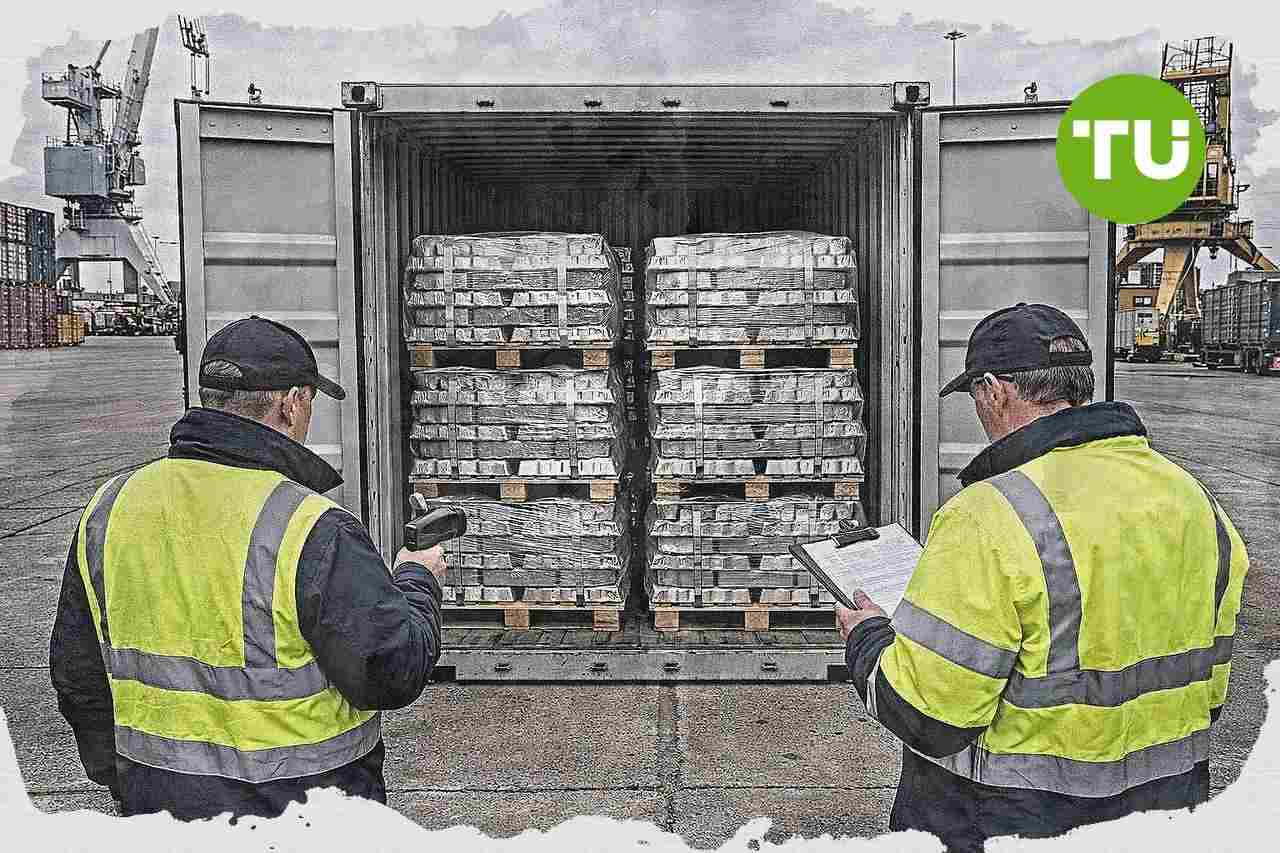
Pressure is mounting on the European Commission to tighten sanctions rules after European aluminium producers warned that Russian metal is still reaching the EU through third countries. The dispute highlights a gap in the bloc's February ban on Russian primary aluminium imports, with manufacturers arguing that lower-priced supply is undercutting domestic production.
Highlights
- European producers urge Brussels to mandate 'smelt and cast' origin disclosures for aluminium imports to prevent sanctions being evaded via third countries.
- Paul Voss of European Aluminium states Moscow earned almost $10bn from aluminium exports in 2023, selling at an 11 percent discount to EU import prices.
- EU member states and lawmakers pressure the European Commission to close the Russian aluminium import loophole and to consider banning alumina exports to Russia.
Push for origin rules on aluminium imports
As reported by Financial Times, European producers are urging Brussels to adopt a monitoring system that would require importers to disclose where aluminium was originally smelted and cast, rather than only where it was turned into a finished product.The industry says Russian raw aluminium is being shipped to other countries, processed into finished goods and then exported into the EU, bypassing the bloc's current sanctions framework. Producers want the EU to introduce a so-called smelt and cast rule to track the metal's true origin.
Paul Voss, director-general of European Aluminium, says leaving the EU closed to direct Russian aluminium imports while allowing the same material in through a short stop in a third country is politically, morally and strategically indefensible. He adds that the system would be straightforward to implement, noting that the U.S. already uses it and that Canada and Mexico are also adopting similar measures.
Industry and policy pressure on Brussels
Voss says Moscow earned almost $10bn from aluminium exports last year, helping finance its war against Ukraine, and adds that Russia sells the metal at an 11 percent discount to EU import prices. He argues that this loophole poses a bigger problem for the sector than continued alumina exports from an Ireland plant owned by Russia's Rusal.A handful of EU member states, including Lithuania, have also raised concerns with the European Commission, according to two EU diplomats. At the same time, lawmakers are pressing the EU to ban alumina exports to Russia, which are under scrutiny over possible links to Russian weapons production, although the Ireland plant supplies more than a third of the EU's smelter-grade alumina used by European industry.
The European Commission does not immediately respond to a request for comment.
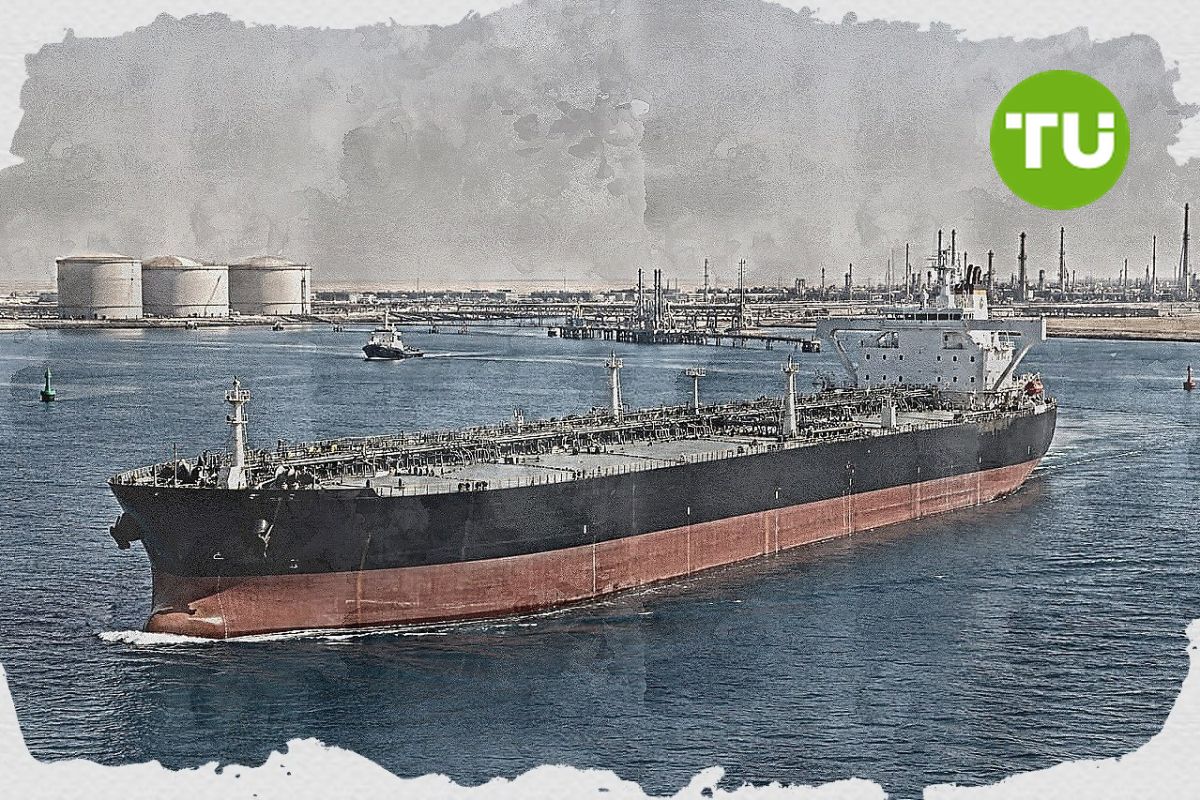
Freight shipping costs have been rising sharply as importers frontload cargo ahead of planned U.S. tariffs and amid heightened Middle East-related disruption risks. Our earlier article noted that uncertainty around trade measures, combined with higher fuel costs, is pushing up container rates on key lanes such as Asia–U.S. and Asia–Europe. The piece highlighted how policy deadlines and geopolitical tensions can quickly ripple through supply chains and pricing.





Latest General Dynamics Corporation News







-
 Afghanistan
-
 Albania
-
 Algeria
-
 Angola
-
 Argentina
-
 Armenia
-
 Australia
-
 Austria
-
 Azerbaijan
-
 Bahamas
-
 Bahrain
-
 Bangladesh
-
 Belarus
-
 Belgium
-
 Bolivia
-
 Botswana
-
 Brazil
-
 Brunei
-
 Bulgaria
-
 Cambodia
-
 Cameroon
-
 Canada
-
 Chile
Chile
-
 China
China
-
 Colombia
-
 Congo
Congo
-
 Costa Rica
-
 Cote d'Ivoire
-
 Croatia
-
 Cuba
Cuba
-
 Cyprus
-
 Czechia
-
 DR Congo
-
 Denmark
-
 Dominican Republic
-
 Ecuador
-
 Egypt
Egypt
-
 El Salvador
-
 Estonia
-
 Eswatini
-
 Ethiopia
-
 Finland
-
 France
-
 Georgia
-
 Germany
-
 Ghana
Ghana
-
 Greece
-
 Haiti
Haiti
-
 Hong Kong
-
 Hungary
-
 India
India
-
 Indonesia
-
 Iran, Islamic republic
-
 Iraq
Iraq
-
 Ireland
-
 Israel
-
 Italy
Italy
-
 Jamaica
-
 Japan
Japan
-
 Jordan
-
 Kazakhstan
-
 Kenya
Kenya
-
 Korea
Korea
-
 Kuwait
-
 Kyrgyzstan
-
 Laos
Laos
-
 Latvia
-
 Lebanon
-
 Lesotho
-
 Libya
Libya
-
 Lithuania
-
 Luxembourg
-
 Madagascar
-
 Malaysia
-
 Malta
Malta
-
 Mauritius
-
 Mexico
-
 Moldova
-
 Mongolia
-
 Montenegro
-
 Morocco
-
 Mozambique
-
 Myanmar
-
 Namibia
-
 Nepal
Nepal
-
 Netherlands
-
 New Zealand
-
 Nigeria
-
 North Macedonia
-
 Norway
-
 Oman
Oman
-
 Pakistan
-
 Palestine
-
 Panama
-
 Papua New Guinea
-
 Paraguay
-
 Peru
Peru
-
 Philippines
-
 Poland
-
 Portugal
-
 Puerto Rico
-
 Qatar
Qatar
-
 Reunion
-
 Romania
-
 Rwanda
-
 Saudi Arabia
-
 Serbia
-
 Singapore
-
 Slovakia
-
 Slovenia
-
 Somalia
-
 South Africa
-
 Spain
Spain
-
 Sri Lanka
-
 Sweden
-
 Switzerland
-
 Syria
Syria
-
 Taiwan
-
 Tajikistan
-
 Tanzania
-
 Thailand
-
 Trinidad and Tobago
-
 Tunisia
-
 Turkey
-
 UAE
UAE
-
 Uganda
-
 Ukraine
-
 United Kingdom
-
United States
-
 Uruguay
-
 Uzbekistan
-
 Venezuela
-
 Vietnam
-
 Yemen
Yemen
-
 Zambia
-
 Zimbabwe
- Forex
- Crypto











