
Thames Water creditors face policy risk under Burnham public control plans
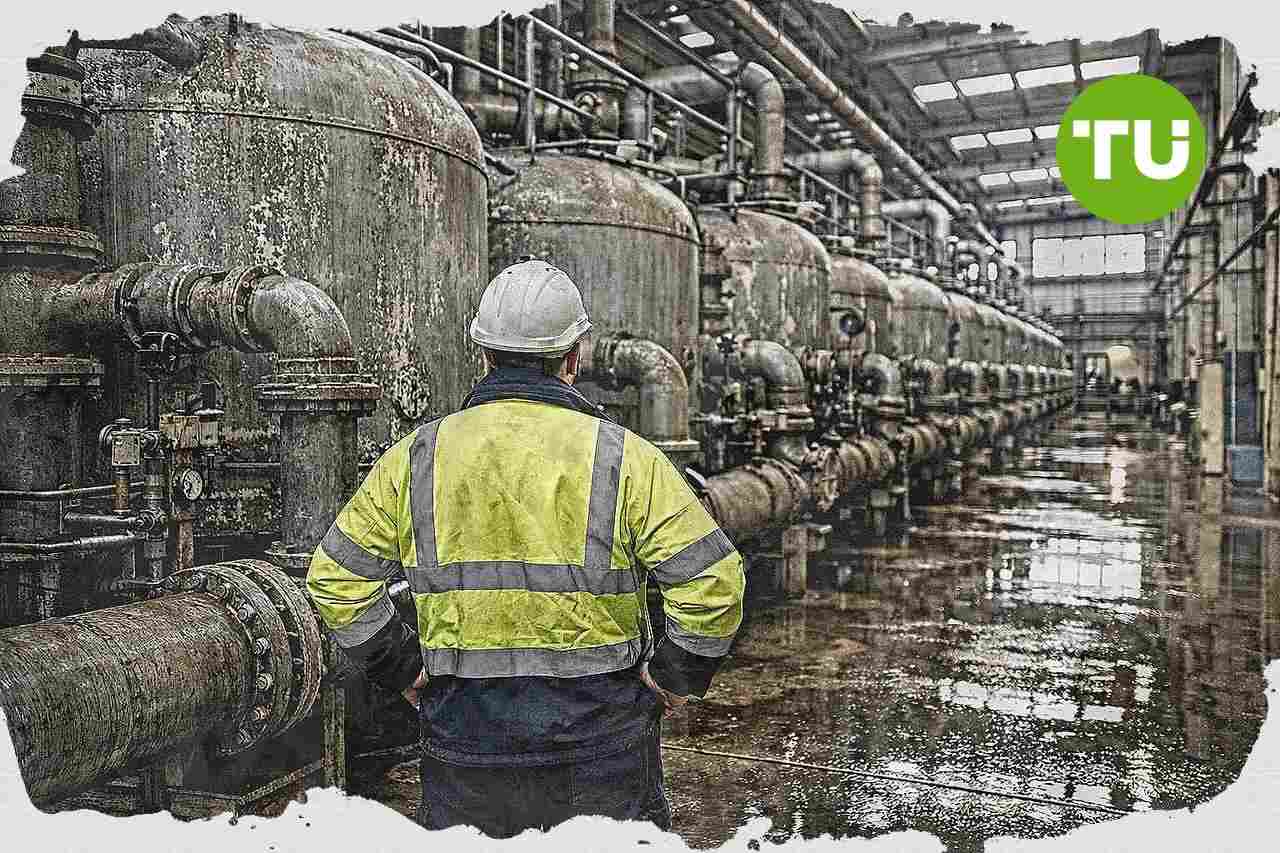
Mounting pressure over Thames Water’s debt burden is turning the utility into an early test of how a potential Andy Burnham government would handle distressed privatized infrastructure. The stakes extend beyond the company’s financing because any move toward public ownership could affect U.K. fiscal exposure and overseas investor sentiment.
Highlights
- Thames Water faces potential insolvency by October with almost £20 billion in debt, prompting urgent negotiations for a rescue package with creditors and Ofwat.
- London & Valley Water's proposed plan features a £9.4 billion debt write-down, £3.35 billion new equity, up to £6.55 billion debt facility, and a dividend ban until at least April 2035.
- Burnham’s stated preference for public control and the prospect of nationalization heightens policy and legal risks for creditors, possibly deterring overseas investment in U.K. infrastructure.
Rescue talks and public ownership options
As reported by CNBC, Thames Water is negotiating with its main creditor group, London & Valley Water, and with regulator Ofwat over a rescue package for Britain’s largest water and wastewater utility. The company, which serves 16 million households and businesses across London and south east England, has debt approaching £20 billion and is expected on its current path to run out of money in October.The latest proposal from London & Valley Water, submitted in March, includes a £9.4 billion debt write-down, about £3.35 billion of new equity and an initial debt facility of roughly £3.25 billion that could rise to £6.55 billion. The plan also includes commitments that major shareholders would not sell a significant share of their equity during the 2025 to 2030 regulatory period and that Thames would not pay a dividend until April 2035, or until it returns to public markets, so cash can be reinvested.
Part of the proposal depends on a more lenient stance from Ofwat, despite Thames Water’s repeated clashes with the regulator over performance. Last month, environment secretary Emma Reynolds wrote to Ofwat saying she is not convinced the current package is good enough for consumers or the environment.
That leaves open the prospect of Thames Water being placed into temporary public ownership through a Special Administration Regime. Under that process, the priority is to keep water and wastewater services running, limit creditor losses and restructure the company so a new owner can be found.
Fiscal and investor fallout in focus
Burnham has said he wants greater public control over energy and water companies and has stated that public ownership is an option for Thames Water. That position suggests a private sector solution could face greater political resistance if he becomes prime minister.A full nationalization would differ from a Special Administration Regime and would probably require an act of parliament, potentially increasing the chance of conflict with creditors including Elliott Management, Apollo Global Management, BlackRock, Silver Point Capital and Invesco. The issue is especially sensitive because some of those investors are known for aggressive legal tactics.
The Treasury is also seen as wary of the consequences of a state takeover. Beyond the risk of Thames Water’s liabilities moving onto the national balance sheet, the government could also face pressure tied to the company’s planned £19.8 billion infrastructure investment during the current regulatory period, while a tougher intervention may also deter overseas investment in U.K. infrastructure.
In our earlier article on EchoStar’s Dish filing for Chapter 11 protection, we explained that the bankruptcy was designed to execute a creditor agreement to cut about $9bn in debt and address a near-term bond maturity while keeping operations running. We also noted how delays in closing EchoStar’s $23bn spectrum sale to AT&T tightened liquidity and shaped the planned wind-down of Dish Wireless’s 5G network activities.





Latest Public News






-
 Afghanistan
-
 Albania
-
 Algeria
-
 Angola
-
 Argentina
-
 Armenia
-
 Australia
-
 Austria
-
 Azerbaijan
-
 Bahamas
-
 Bahrain
-
 Bangladesh
-
 Belarus
-
 Belgium
-
 Bolivia
-
 Botswana
-
 Brazil
-
 Brunei
-
 Bulgaria
-
 Cambodia
-
 Cameroon
-
 Canada
-
 Chile
Chile
-
 China
China
-
 Colombia
-
 Congo
Congo
-
 Costa Rica
-
 Cote d'Ivoire
-
 Croatia
-
 Cuba
Cuba
-
 Cyprus
-
 Czechia
-
 DR Congo
-
 Denmark
-
 Dominican Republic
-
 Ecuador
-
 Egypt
Egypt
-
 El Salvador
-
 Estonia
-
 Eswatini
-
 Ethiopia
-
 Finland
-
 France
-
 Georgia
-
 Germany
-
 Ghana
Ghana
-
 Greece
-
 Haiti
Haiti
-
 Hong Kong
-
 Hungary
-
 India
India
-
 Indonesia
-
 Iran, Islamic republic
-
 Iraq
Iraq
-
 Ireland
-
 Israel
-
 Italy
Italy
-
 Jamaica
-
 Japan
Japan
-
 Jordan
-
 Kazakhstan
-
 Kenya
Kenya
-
 Korea
Korea
-
 Kuwait
-
 Kyrgyzstan
-
 Laos
Laos
-
 Latvia
-
 Lebanon
-
 Lesotho
-
 Libya
Libya
-
 Lithuania
-
 Luxembourg
-
 Madagascar
-
 Malaysia
-
 Malta
Malta
-
 Mauritius
-
 Mexico
-
 Moldova
-
 Mongolia
-
 Montenegro
-
 Morocco
-
 Mozambique
-
 Myanmar
-
 Namibia
-
 Nepal
Nepal
-
 Netherlands
-
 New Zealand
-
 Nigeria
-
 North Macedonia
-
 Norway
-
 Oman
Oman
-
 Pakistan
-
 Palestine
-
 Panama
-
 Papua New Guinea
-
 Paraguay
-
 Peru
Peru
-
 Philippines
-
 Poland
-
 Portugal
-
 Puerto Rico
-
 Qatar
Qatar
-
 Reunion
-
 Romania
-
 Rwanda
-
 Saudi Arabia
-
 Serbia
-
 Singapore
-
 Slovakia
-
 Slovenia
-
 Somalia
-
 South Africa
-
 Spain
Spain
-
 Sri Lanka
-
 Sweden
-
 Switzerland
-
 Syria
Syria
-
 Taiwan
-
 Tajikistan
-
 Tanzania
-
 Thailand
-
 Trinidad and Tobago
-
 Tunisia
-
 Turkey
-
 UAE
UAE
-
 Uganda
-
 Ukraine
-
 United Kingdom
-
United States
-
 Uruguay
-
 Uzbekistan
-
 Venezuela
-
 Vietnam
-
 Yemen
Yemen
-
 Zambia
-
 Zimbabwe
- Forex
- Crypto











