
UK defence spending plan faces credibility gap as 2035 Nato target looms
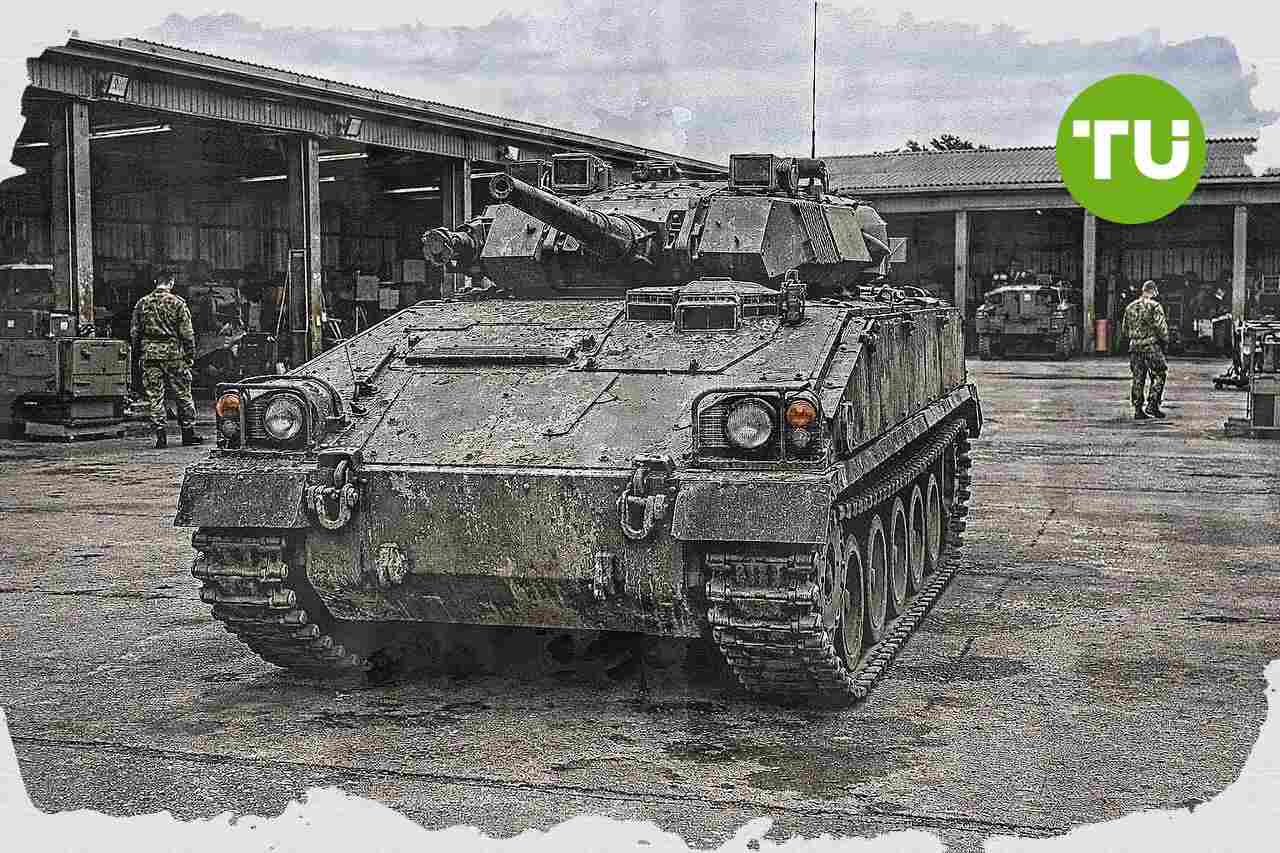
Britain enters a period of heightened security pressure with a military spending plan that raises funding but leaves major doubts about whether the country can meet the risks of a more unstable world. The debate carries wider political significance because any incoming leader, including Andy Burnham if he succeeds Sir Keir Starmer, would inherit the same fiscal and strategic constraints.
Highlights
- UK defence plan increases spending by £15 billion, raising the budget from 2.6% of output in 2026-27 to only 2.7% in 2029-30.
- The modest near-term spending trajectory postpones the steep rise needed to hit the 3.5% Nato target by 2035, drawing concern about credibility.
- Strategic defence review reveals armed forces hollowed out and critical capability gaps, raising doubts about readiness as security environment worsens.
Spending path and historical warning signs
As reported by Financial Times, the UK's long-delayed defence investment plan includes a modest increase from the draft version that preceded the resignation of former defence secretary John Healey last month, but it still falls short of the threats posed by Russia's war in Ukraine, conflicts in the Middle East, China's growing assertiveness and a more unilateralist U.S. posture.Britain, like other Nato members, is committed to lifting core defence spending to 3.5 per cent of national output by 2035. At next week's Nato summit in Ankara, Starmer is expected to say the UK remains on track for that goal, although the plan's spending profile leaves room for scepticism.
Despite a 15 billion pound increase compared with previous plans, the trajectory only lifts the overall defence budget from 2.6 per cent of output in 2026-27 to 2.7 per cent in 2029-30. That means the strategy relies on a far steeper rise in the early 2030s, after a general election, rather than setting out a near-term path that clearly supports the target.
The article draws a parallel with the 1930s, when Britain's defence spending rose only gradually after Adolf Hitler took power in Germany. In that comparison, delayed rearmament and adherence to fiscal restraint weakened deterrence before the pace of military expansion accelerated later in the decade.
Strategic weaknesses and political consequences
The government's own strategic defence review points to deeper structural problems beyond the spending percentages. Britain’s armed forces have been hollowed out by decades of post-Cold War pressure, leaving the army too small to deploy an effective force and the navy struggling to sustain even a reduced fleet.The war in Ukraine also exposes capability gaps in areas including air defence, missiles, drones and integrated weapons systems. Those weaknesses raise questions over whether a slow spending ramp-up is enough for a security environment that is already deteriorating rather than one that may worsen only later.
For Burnham, who is presented as preparing to replace Starmer and signalling a stronger focus on domestic policy, the warning is that economic stability at home cannot be separated from events abroad. The argument is that voters need to be told why greater sacrifice may be required now, because the eventual cost of failing to strengthen deterrence could be far higher.
The concluding concern is that Britain's plans are being watched closely by adversaries, especially in Moscow. In that view, an unconvincing defence trajectory risks sending the wrong signal about the UK's resolve at a time when European security is under sustained pressure.
Our earlier coverage of the UK’s defence investment plan highlighted growing criticism that the government was relying on headline targets while leaving key funding and reform choices unresolved. We noted that translating budgets into real capability depends on procurement performance and supply-chain constraints, and that these gaps could intensify political pressure during the leadership transition after Keir Starmer’s resignation.





Latest UK News






-
 Afghanistan
-
 Albania
-
 Algeria
-
 Angola
-
 Argentina
-
 Armenia
-
 Australia
-
 Austria
-
 Azerbaijan
-
 Bahamas
-
 Bahrain
-
 Bangladesh
-
 Belarus
-
 Belgium
-
 Bolivia
-
 Botswana
-
 Brazil
-
 Brunei
-
 Bulgaria
-
 Cambodia
-
 Cameroon
-
 Canada
-
 Chile
Chile
-
 China
China
-
 Colombia
-
 Congo
Congo
-
 Costa Rica
-
 Cote d'Ivoire
-
 Croatia
-
 Cuba
Cuba
-
 Cyprus
-
 Czechia
-
 DR Congo
-
 Denmark
-
 Dominican Republic
-
 Ecuador
-
 Egypt
Egypt
-
 El Salvador
-
 Estonia
-
 Eswatini
-
 Ethiopia
-
 Finland
-
 France
-
 Georgia
-
 Germany
-
 Ghana
Ghana
-
 Greece
-
 Haiti
Haiti
-
 Hong Kong
-
 Hungary
-
 India
India
-
 Indonesia
-
 Iran, Islamic republic
-
 Iraq
Iraq
-
 Ireland
-
 Israel
-
 Italy
Italy
-
 Jamaica
-
 Japan
Japan
-
 Jordan
-
 Kazakhstan
-
 Kenya
Kenya
-
 Korea
Korea
-
 Kuwait
-
 Kyrgyzstan
-
 Laos
Laos
-
 Latvia
-
 Lebanon
-
 Lesotho
-
 Libya
Libya
-
 Lithuania
-
 Luxembourg
-
 Madagascar
-
 Malaysia
-
 Malta
Malta
-
 Mauritius
-
 Mexico
-
 Moldova
-
 Mongolia
-
 Montenegro
-
 Morocco
-
 Mozambique
-
 Myanmar
-
 Namibia
-
 Nepal
Nepal
-
 Netherlands
-
 New Zealand
-
 Nigeria
-
 North Macedonia
-
 Norway
-
 Oman
Oman
-
 Pakistan
-
 Palestine
-
 Panama
-
 Papua New Guinea
-
 Paraguay
-
 Peru
Peru
-
 Philippines
-
 Poland
-
 Portugal
-
 Puerto Rico
-
 Qatar
Qatar
-
 Reunion
-
 Romania
-
 Rwanda
-
 Saudi Arabia
-
 Serbia
-
 Singapore
-
 Slovakia
-
 Slovenia
-
 Somalia
-
 South Africa
-
 Spain
Spain
-
 Sri Lanka
-
 Sweden
-
 Switzerland
-
 Syria
Syria
-
 Taiwan
-
 Tajikistan
-
 Tanzania
-
 Thailand
-
 Trinidad and Tobago
-
 Tunisia
-
 Turkey
-
 UAE
UAE
-
 Uganda
-
 Ukraine
-
 United Kingdom
-
United States
-
 Uruguay
-
 Uzbekistan
-
 Venezuela
-
 Vietnam
-
 Yemen
Yemen
-
 Zambia
-
 Zimbabwe
- Forex
- Crypto











