
Grocery prepared meals intensify competition for U.S. fast-food chains
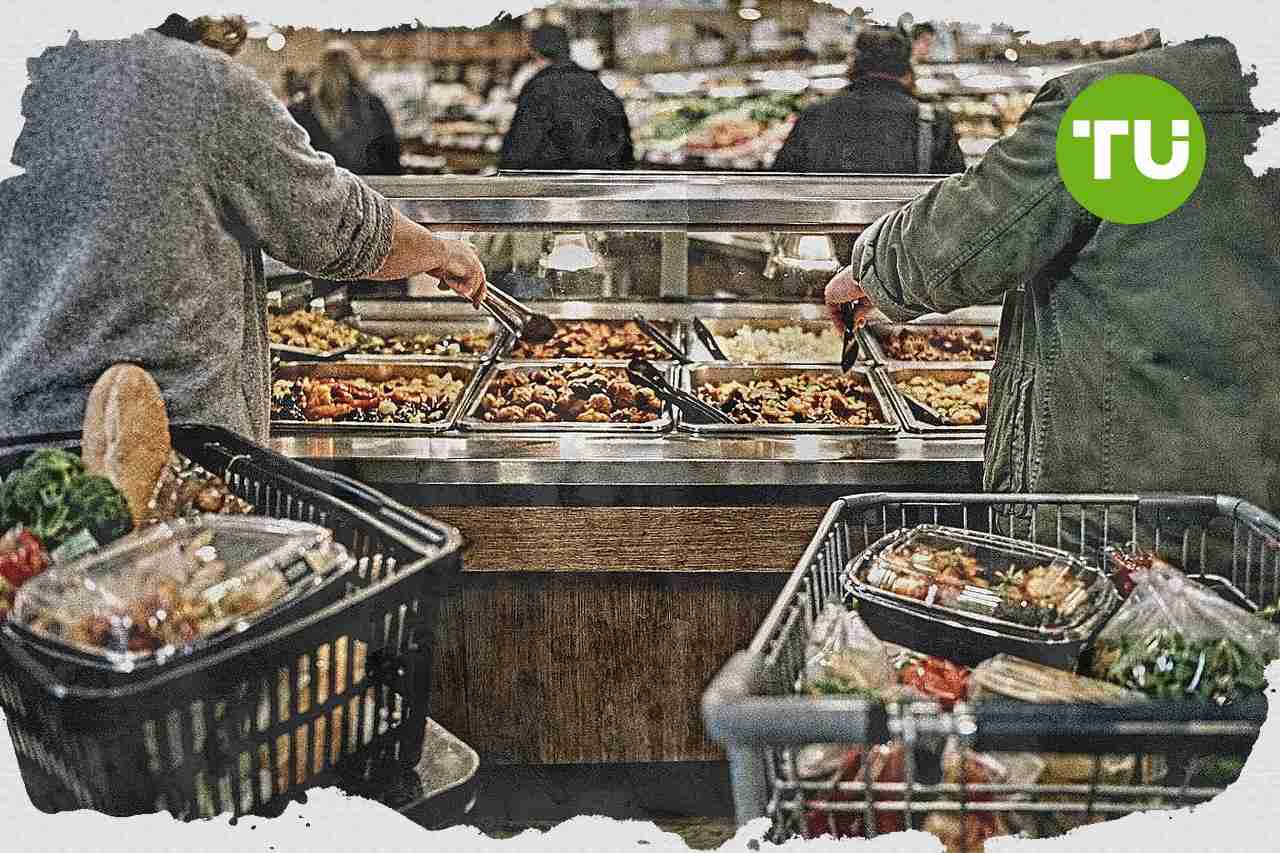
U.S. fast-food chains are facing growing pressure from supermarkets as consumers reevaluate meal value amid persistent budget strain. Prepared foods at grocery stores are increasingly competing with drive-thru orders by offering similar convenience at a lower perceived cost.
Highlights
- Placer.ai data shows U.S. restaurant foot traffic declined in 2026, with quick-service chains particularly affected as consumers favor grocery-prepared meals.
- Retailers like Kroger and Whole Foods are expanding ready-to-eat food programs, aiming to capture dining occasions from value-seeking shoppers.
- Technomic research finds 70% of consumers consider home-prepared groceries best value, with 16% preferring retail-prepared foods and 15% restaurant meals, intensifying competition for spending.
Foot traffic data highlights a shift in dining choices
As reported by Business Insider, citing Placer.ai, restaurant traffic has softened overall in 2026, with the slowdown hitting quick-service chains harder than fast-casual, casual dining and fine dining operators.The location analytics firm's data suggests grocery stores and superstores are competing for the same eating occasions through ready-to-eat meals. R.J. Hottovy, Placer.ai's head of analytical research, says restaurant chains across all tiers are dealing with macroeconomic and competitive pressure as higher menu prices weaken traditional value perceptions and consumers substitute grocery and other food-at-home alternatives.
Hottovy says the visitation data still points to stronger performances in parts of the sector, especially among fast-casual brands such as Chipotle and Cava that combine value, menu innovation and operational strength. By contrast, the quick-service restaurant segment reports lower foot traffic in four of the last five months.
Prepared-food expansion reshapes value competition
Retailers including Kroger and Whole Foods are investing further in prepared foods, while warehouse clubs and mass merchants are expanding grab-and-go meals, sushi counters, hot bars and other ready-to-eat offerings. The broader push reflects a strategy to capture more food spending from shoppers looking for restaurant-style meals without restaurant-level prices.Consumer research from Technomic supports the same trend in spending behavior. The survey finds 70% of respondents see groceries prepared at home as the best value, while 16% choose retail-prepared foods and 15% choose restaurant meals, indicating that store-prepared meals now stand as a close alternative to eating out.
That pressure is also shaping restaurant pricing and promotion strategies. McDonald's says on recent earnings calls that it is leaning on its McValue platform and affordability, while Yum Brands points to Taco Bell's value offers and menu innovation as traffic drivers as household budgets remain under strain.
In our earlier update on Walmart (WMT) shares, we noted the stock was under medium-term pressure, trading below key moving averages while still holding above long-term support. The piece highlighted bearish momentum and a likely near-term sideways range, alongside ongoing focus on profitability and investments in higher-margin growth areas such as e-commerce and advertising.



Latest Yum! Brands Inc News





-
 Afghanistan
-
 Albania
-
 Algeria
-
 Angola
-
 Argentina
-
 Armenia
-
 Australia
-
 Austria
-
 Azerbaijan
-
 Bahamas
-
 Bahrain
-
 Bangladesh
-
 Belarus
-
 Belgium
-
 Bolivia
-
 Botswana
-
 Brazil
-
 Brunei
-
 Bulgaria
-
 Cambodia
-
 Cameroon
-
 Canada
-
 Chile
Chile
-
 China
China
-
 Colombia
-
 Congo
Congo
-
 Costa Rica
-
 Cote d'Ivoire
-
 Croatia
-
 Cuba
Cuba
-
 Cyprus
-
 Czechia
-
 DR Congo
-
 Denmark
-
 Dominican Republic
-
 Ecuador
-
 Egypt
Egypt
-
 El Salvador
-
 Estonia
-
 Eswatini
-
 Ethiopia
-
 Finland
-
 France
-
 Georgia
-
 Germany
-
 Ghana
Ghana
-
 Greece
-
 Haiti
Haiti
-
 Hong Kong
-
 Hungary
-
 India
India
-
 Indonesia
-
 Iran, Islamic republic
-
 Iraq
Iraq
-
 Ireland
-
 Israel
-
 Italy
Italy
-
 Jamaica
-
 Japan
Japan
-
 Jordan
-
 Kazakhstan
-
 Kenya
Kenya
-
 Korea
Korea
-
 Kuwait
-
 Kyrgyzstan
-
 Laos
Laos
-
 Latvia
-
 Lebanon
-
 Lesotho
-
 Libya
Libya
-
 Lithuania
-
 Luxembourg
-
 Madagascar
-
 Malaysia
-
 Malta
Malta
-
 Mauritius
-
 Mexico
-
 Moldova
-
 Mongolia
-
 Montenegro
-
 Morocco
-
 Mozambique
-
 Myanmar
-
 Namibia
-
 Nepal
Nepal
-
 Netherlands
-
 New Zealand
-
 Nigeria
-
 North Macedonia
-
 Norway
-
 Oman
Oman
-
 Pakistan
-
 Palestine
-
 Panama
-
 Papua New Guinea
-
 Paraguay
-
 Peru
Peru
-
 Philippines
-
 Poland
-
 Portugal
-
 Puerto Rico
-
 Qatar
Qatar
-
 Reunion
-
 Romania
-
 Rwanda
-
 Saudi Arabia
-
 Serbia
-
 Singapore
-
 Slovakia
-
 Slovenia
-
 Somalia
-
 South Africa
-
 Spain
Spain
-
 Sri Lanka
-
 Sweden
-
 Switzerland
-
 Syria
Syria
-
 Taiwan
-
 Tajikistan
-
 Tanzania
-
 Thailand
-
 Trinidad and Tobago
-
 Tunisia
-
 Turkey
-
 UAE
UAE
-
 Uganda
-
 Ukraine
-
 United Kingdom
-
United States
-
 Uruguay
-
 Uzbekistan
-
 Venezuela
-
 Vietnam
-
 Yemen
Yemen
-
 Zambia
-
 Zimbabwe
- Forex
- Crypto











