
AA turnaround faces long-term robotaxi risk in UK roadside assistance
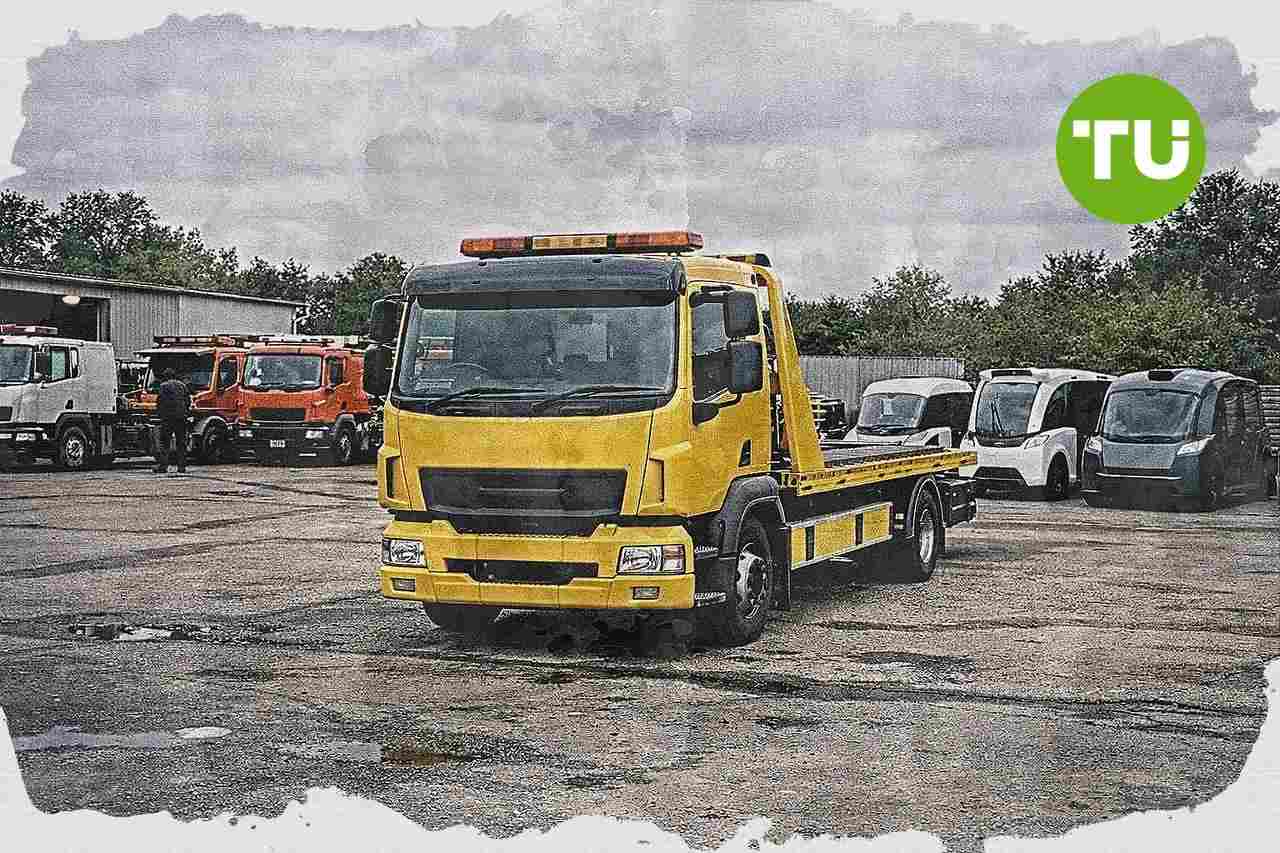
As the AA prepares for a possible return to public markets, its improved finances are emerging alongside a structural threat to its core roadside assistance business. The spread of electric vehicles and self-driving taxi fleets is starting to reshape accident recovery, breakdown demand and customer relationships across the UK motoring sector.
Highlights
- AA has achieved 11 percent annual revenue growth, a 20 percent increase in customers, 10 percent higher operating profit, and reduced net debt to about four times adjusted EBITDA since going private in 2021.
- Autonomous vehicles threaten AA's core business, as Waymo and Swiss Re report 88 percent fewer property damage claims and Germany's ADAC finds EVs break down only 40 percent as often as petrol or diesel cars.
- AA projects a gradual impact from automation, forecasting just 150,000 robotaxis on UK roads by 2045 and slower adoption outside urban centers.
Turnaround progress meets automation challenge
As reported by Financial Times, private equity owners TowerBrook, Warburg Pincus and Stonepeak are considering returning the AA to the stock market after a period of operational improvement. The UK roadside recovery group now looks markedly different from its previous spell as a listed company, with revenue growing at an annual rate of 11 per cent since it was taken private in 2021, a fifth more customers, a tenth more operating profit and net debt reduced to about four times adjusted EBITDA.That recovery, however, is taking shape as the industry faces a longer-term shift from conventional car ownership toward electric and autonomous fleets. For companies such as the AA and rival RAC, the risk is not an immediate collapse in demand but a gradual erosion of the accident assistance and mechanical recovery work that has traditionally supported the business.
Lower crashes and fleet servicing could cut demand
Self-driving cabs threaten the roadside recovery model in several ways. One is safety, with Google-owned Waymo saying in a study conducted with insurer Swiss Re that its autonomous vehicles generate 88 per cent fewer property damage claims than human-driven cars, a trend that would weigh on accident assistance volumes.Robotaxi fleets are also likely to suffer fewer mechanical failures because many are electric vehicles, which are already showing stronger reliability. Germany's ADAC estimates EVs experience breakdowns around 40 per cent as often as petrol and diesel cars.
A further pressure point is vehicle utilisation and fleet management. Self-driving cabs already cover roughly five times the annual mileage in the U.S., and connected fleets can be monitored continuously to detect faults early and send vehicles back to depots before a roadside failure occurs. That would also shift bargaining power away from individual households and toward large fleet operators such as Google and Tesla.
The change is still likely to unfold over decades rather than in the next few years. Around two-thirds of UK vehicle miles are driven outside cities, where autonomous ride-hailing is less likely to spread quickly, and the AA forecasts only 150,000 robotaxis on UK roads by 2045.
Our earlier coverage of Tesla and Rivian focused on how the U.S. EV market is shifting into a more direct mass-market fight as Rivian’s upcoming R2 targets the midsize SUV segment dominated by Tesla’s Model Y. We also noted that despite Tesla’s Q2 delivery beat and progress in robotaxi ambitions, TSLA’s stock reaction stayed muted, reflecting valuation pressure and how autonomy and electrification are changing the competitive landscape.















-
 Afghanistan
-
 Albania
-
 Algeria
-
 Angola
-
 Argentina
-
 Armenia
-
 Australia
-
 Austria
-
 Azerbaijan
-
 Bahamas
-
 Bahrain
-
 Bangladesh
-
 Belarus
-
 Belgium
-
 Bolivia
-
 Botswana
-
 Brazil
-
 Brunei
-
 Bulgaria
-
 Cambodia
-
 Cameroon
-
 Canada
-
 Chile
Chile
-
 China
China
-
 Colombia
-
 Congo
Congo
-
 Costa Rica
-
 Cote d'Ivoire
-
 Croatia
-
 Cuba
Cuba
-
 Cyprus
-
 Czechia
-
 DR Congo
-
 Denmark
-
 Dominican Republic
-
 Ecuador
-
 Egypt
Egypt
-
 El Salvador
-
 Estonia
-
 Eswatini
-
 Ethiopia
-
 Finland
-
 France
-
 Georgia
-
 Germany
-
 Ghana
Ghana
-
 Greece
-
 Haiti
Haiti
-
 Hong Kong
-
 Hungary
-
 India
India
-
 Indonesia
-
 Iran, Islamic republic
-
 Iraq
Iraq
-
 Ireland
-
 Israel
-
 Italy
Italy
-
 Jamaica
-
 Japan
Japan
-
 Jordan
-
 Kazakhstan
-
 Kenya
Kenya
-
 Korea
Korea
-
 Kuwait
-
 Kyrgyzstan
-
 Laos
Laos
-
 Latvia
-
 Lebanon
-
 Lesotho
-
 Libya
Libya
-
 Lithuania
-
 Luxembourg
-
 Madagascar
-
 Malaysia
-
 Malta
Malta
-
 Mauritius
-
 Mexico
-
 Moldova
-
 Mongolia
-
 Montenegro
-
 Morocco
-
 Mozambique
-
 Myanmar
-
 Namibia
-
 Nepal
Nepal
-
 Netherlands
-
 New Zealand
-
 Nigeria
-
 North Macedonia
-
 Norway
-
 Oman
Oman
-
 Pakistan
-
 Palestine
-
 Panama
-
 Papua New Guinea
-
 Paraguay
-
 Peru
Peru
-
 Philippines
-
 Poland
-
 Portugal
-
 Puerto Rico
-
 Qatar
Qatar
-
 Reunion
-
 Romania
-
 Rwanda
-
 Saudi Arabia
-
 Serbia
-
 Singapore
-
 Slovakia
-
 Slovenia
-
 Somalia
-
 South Africa
-
 Spain
Spain
-
 Sri Lanka
-
 Sweden
-
 Switzerland
-
 Syria
Syria
-
 Taiwan
-
 Tajikistan
-
 Tanzania
-
 Thailand
-
 Trinidad and Tobago
-
 Tunisia
-
 Turkey
-
 UAE
UAE
-
 Uganda
-
 Ukraine
-
 United Kingdom
-
United States
-
 Uruguay
-
 Uzbekistan
-
 Venezuela
-
 Vietnam
-
 Yemen
Yemen
-
 Zambia
-
 Zimbabwe
- Forex
- Crypto











