
U.S. and Iran continue talks as Trump says ceasefire is over
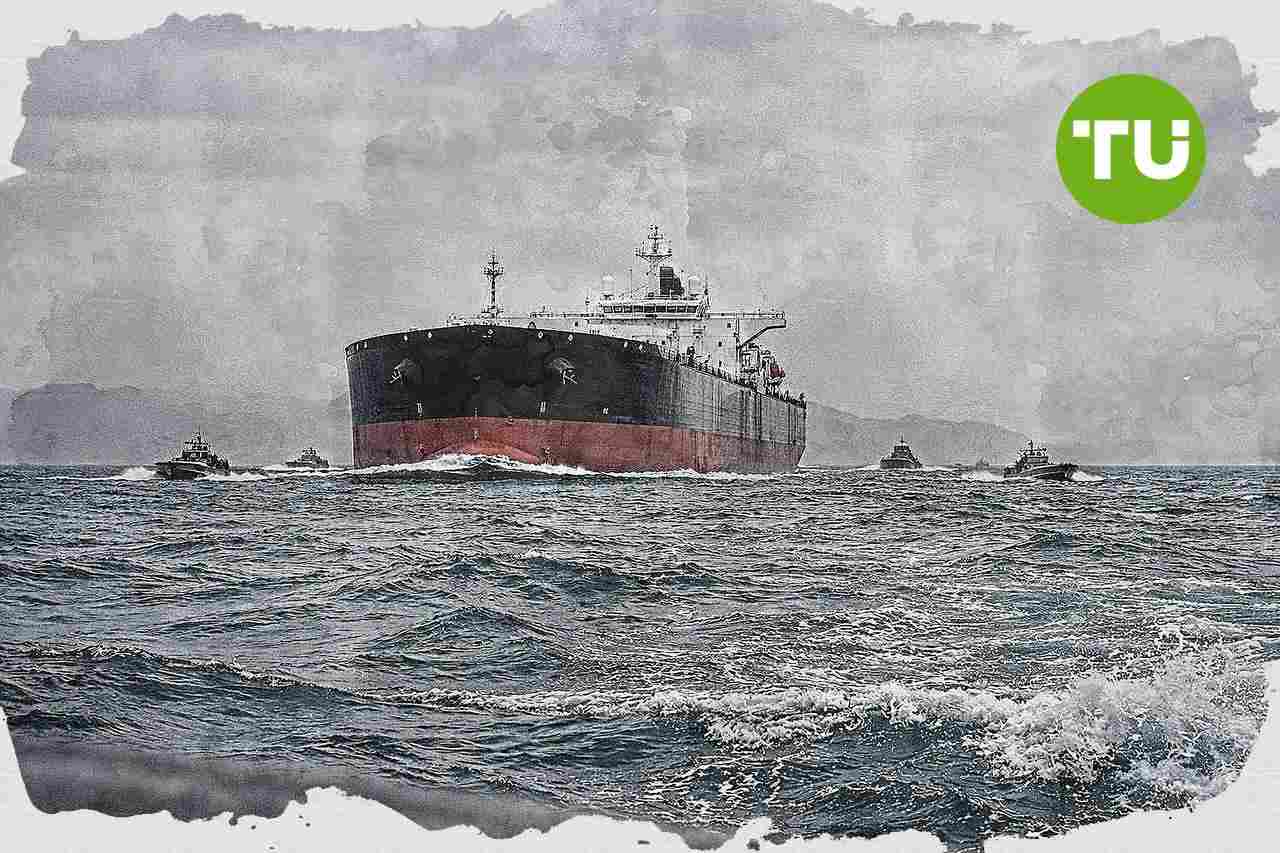
Diplomatic contacts between the U.S. and Iran continue after several nights of military confrontation that raise the risk of a broader conflict. Trump says Washington agrees to further talks even as he declares the ceasefire over and leaves open the prospect of additional strikes.
Highlights
- Trump states the U.S. will continue peace negotiations with Iran despite declaring the ceasefire between both countries is over.
- The U.S. paused strikes on Iran for a third consecutive night Thursday after heavy attacks earlier this week, signaling ongoing military tension.
- U.S. military action followed Tehran's attacks on commercial ships in the Strait of Hormuz, heightening risks to regional shipping and energy markets.
Negotiations continue amid military pressure
As reported by Financial Times, Trump says the U.S. has agreed to continue peace negotiations with Iran despite declaring that the ceasefire between the two countries is no longer in effect.In a post on Truth Social on Friday, Trump says Iran has asked Washington to continue talks and that the U.S. has agreed, while also telling Tehran "in no uncertain terms" that the ceasefire is "OVER!" His remarks signal that diplomacy remains active, but they also indicate that further military action remains possible.
Strait of Hormuz tensions drive conflict risk
The U.S. does not strike Iran for a third consecutive night on Thursday after carrying out intense attacks on the Islamic republic on Tuesday and Wednesday, moves that risk a return to full-scale war.Washington says the latest military action comes in response to Tehran's attacks on commercial ships attempting to transit the Strait of Hormuz, underscoring the wider threat to regional shipping and energy markets. The situation remains fluid, with the story still developing.
In our earlier article on WTI’s pullback after the U.S.–Iran flare-up, we noted that crude was trying to stabilize as traders priced out part of the geopolitical risk premium, even while shipping through the Strait of Hormuz remained fragile. We also highlighted that any renewed escalation or disruption to Gulf transit could quickly bring back volatility, although rising OPEC+ output and improving supply expectations were weighing on the broader outlook.








-
 Afghanistan
-
 Albania
-
 Algeria
-
 Angola
-
 Argentina
-
 Armenia
-
 Australia
-
 Austria
-
 Azerbaijan
-
 Bahamas
-
 Bahrain
-
 Bangladesh
-
 Belarus
-
 Belgium
-
 Bolivia
-
 Botswana
-
 Brazil
-
 Brunei
-
 Bulgaria
-
 Cambodia
-
 Cameroon
-
 Canada
-
 Chile
Chile
-
 China
China
-
 Colombia
-
 Congo
Congo
-
 Costa Rica
-
 Cote d'Ivoire
-
 Croatia
-
 Cuba
Cuba
-
 Cyprus
-
 Czechia
-
 DR Congo
-
 Denmark
-
 Dominican Republic
-
 Ecuador
-
 Egypt
Egypt
-
 El Salvador
-
 Estonia
-
 Eswatini
-
 Ethiopia
-
 Finland
-
 France
-
 Georgia
-
 Germany
-
 Ghana
Ghana
-
 Greece
-
 Haiti
Haiti
-
 Hong Kong
-
 Hungary
-
 India
India
-
 Indonesia
-
 Iran, Islamic republic
-
 Iraq
Iraq
-
 Ireland
-
 Israel
-
 Italy
Italy
-
 Jamaica
-
 Japan
Japan
-
 Jordan
-
 Kazakhstan
-
 Kenya
Kenya
-
 Korea
Korea
-
 Kuwait
-
 Kyrgyzstan
-
 Laos
Laos
-
 Latvia
-
 Lebanon
-
 Lesotho
-
 Libya
Libya
-
 Lithuania
-
 Luxembourg
-
 Madagascar
-
 Malaysia
-
 Malta
Malta
-
 Mauritius
-
 Mexico
-
 Moldova
-
 Mongolia
-
 Montenegro
-
 Morocco
-
 Mozambique
-
 Myanmar
-
 Namibia
-
 Nepal
Nepal
-
 Netherlands
-
 New Zealand
-
 Nigeria
-
 North Macedonia
-
 Norway
-
 Oman
Oman
-
 Pakistan
-
 Palestine
-
 Panama
-
 Papua New Guinea
-
 Paraguay
-
 Peru
Peru
-
 Philippines
-
 Poland
-
 Portugal
-
 Puerto Rico
-
 Qatar
Qatar
-
 Reunion
-
 Romania
-
 Rwanda
-
 Saudi Arabia
-
 Serbia
-
 Singapore
-
 Slovakia
-
 Slovenia
-
 Somalia
-
 South Africa
-
 Spain
Spain
-
 Sri Lanka
-
 Sweden
-
 Switzerland
-
 Syria
Syria
-
 Taiwan
-
 Tajikistan
-
 Tanzania
-
 Thailand
-
 Trinidad and Tobago
-
 Tunisia
-
 Turkey
-
 UAE
UAE
-
 Uganda
-
 Ukraine
-
 United Kingdom
-
United States
-
 Uruguay
-
 Uzbekistan
-
 Venezuela
-
 Vietnam
-
 Yemen
Yemen
-
 Zambia
-
 Zimbabwe
- Forex
- Crypto











