
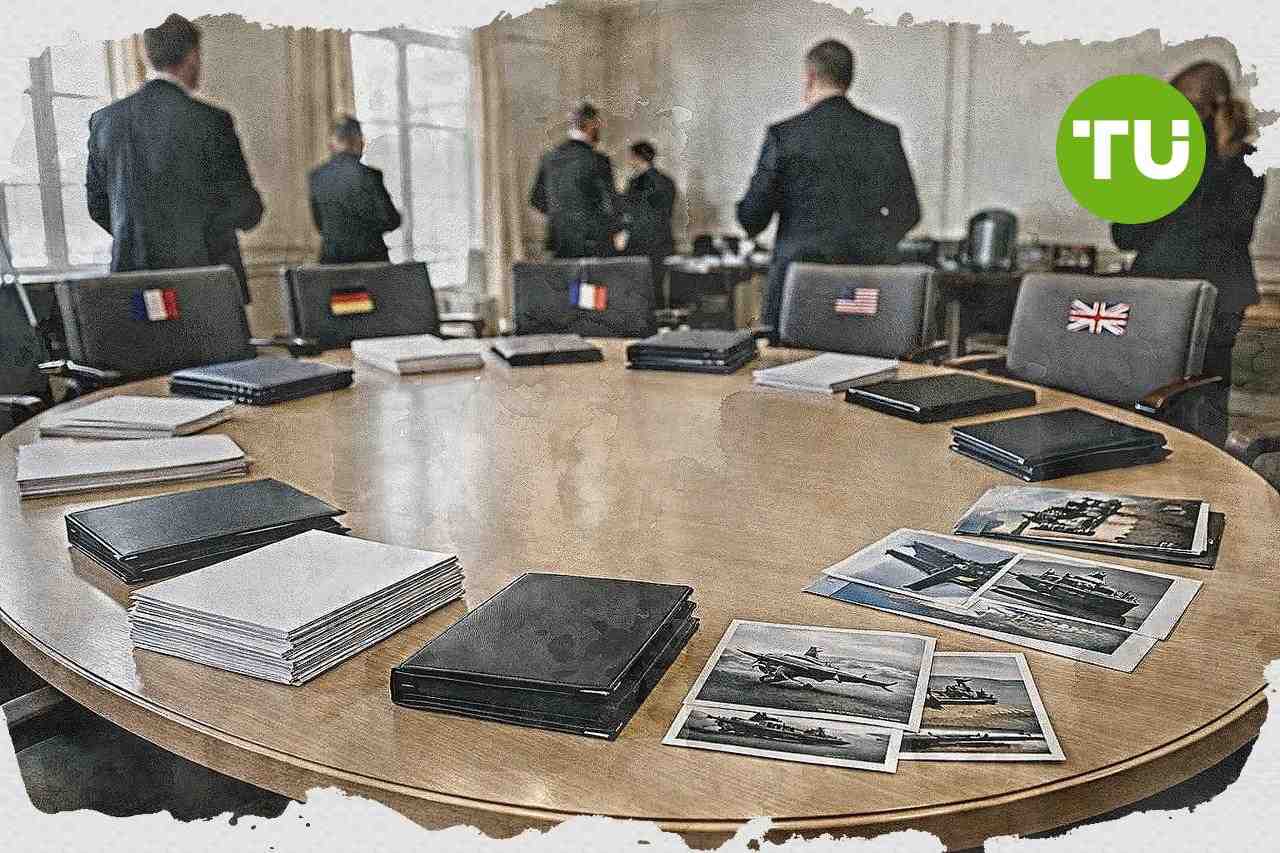
Britain is preparing to deepen defence co-operation with Europe by joining a 60 billion euro EU loan scheme for Ukraine in the final days of Keir Starmer's premiership. The move is designed to improve access for British defence companies to Ukrainian contracts while reinforcing a broader post-Brexit reset with the bloc.
Highlights
- Keir Starmer will next week sign the UK up to the EU's €60 billion defence loan scheme for Ukraine, with details announced Monday in Paris.
- UK financial contributions will be proportionate to contracts awarded to British defence firms, while non-participating companies receive only 35 per cent of contract value.
- UK officials state the Ukraine loan terms are better and fairer than the previously negotiated €150 billion EU Safe defence fund, after talks on that stalled over access fees.
Paris meeting to confirm loan terms
As reported by Financial Times, Keir Starmer is next week set to sign the UK up to the EU's 60 billion euro defence loan scheme for Ukraine, with details due to be announced on Monday at a meeting in Paris of the UK-French-led coalition of the willing.Downing Street says negotiations are at an advanced stage. Under the planned arrangement, the UK will make financial contributions proportionate to the value of contracts awarded by Kyiv to British defence companies, while companies that do not benefit from that participation would otherwise be limited to receiving 35 per cent of any contract's value.
The talks on the loan scheme were launched in May by Starmer and European Commission President Ursula von der Leyen as part of a wider reset in UK-EU relations, 10 years after the Brexit referendum. Britain would contribute to the borrowing costs, while the EU has agreed that British armaments should be included to help ensure Ukraine receives the weapons it needs to counter Russian aggression.
Defence ties and wider UK-Europe reset
Starmer is also set to remain in Paris with French President Emmanuel Macron for Bastille Day celebrations on July 14, underscoring the improved UK-French relationship that has developed around stronger European defence co-operation.That warming relationship is also visible beyond security policy, with the Bayeux Tapestry arriving in London on Friday ahead of its unveiling at a British Museum exhibition in September. Macron played a key role in arranging the loan during renovation work at the Bayeux Museum, supporting what is expected to become the British Museum's biggest exhibition in decades.
The Ukraine loans agreement was originally intended to be a central feature of a UK-EU summit this month, but Brussels postponed that meeting because of Starmer's impending departure. The UK had previously tried to negotiate membership of a separate 150 billion euro EU Safe defence fund, but those talks stalled after Starmer refused to pay the access fee sought by the bloc, and UK officials now say the Ukraine loan terms are better and represent a fairer deal.
Our earlier coverage of the NATO summit in Ankara focused on mounting strains inside the alliance as Donald Trump criticised European partners, raising fresh doubts about long-term cohesion and U.S. commitments. We also noted that, despite the volatility, European governments were pushing ahead with bigger defence procurement initiatives and steps to shoulder more of the burden for supporting Ukraine.






-
 Afghanistan
-
 Albania
-
 Algeria
-
 Angola
-
 Argentina
-
 Armenia
-
 Australia
-
 Austria
-
 Azerbaijan
-
 Bahamas
-
 Bahrain
-
 Bangladesh
-
 Belarus
-
 Belgium
-
 Bolivia
-
 Botswana
-
 Brazil
-
 Brunei
-
 Bulgaria
-
 Cambodia
-
 Cameroon
-
 Canada
-
 Chile
Chile
-
 China
China
-
 Colombia
-
 Congo
Congo
-
 Costa Rica
-
 Cote d'Ivoire
-
 Croatia
-
 Cuba
Cuba
-
 Cyprus
-
 Czechia
-
 DR Congo
-
 Denmark
-
 Dominican Republic
-
 Ecuador
-
 Egypt
Egypt
-
 El Salvador
-
 Estonia
-
 Eswatini
-
 Ethiopia
-
 Finland
-
 France
-
 Georgia
-
 Germany
-
 Ghana
Ghana
-
 Greece
-
 Haiti
Haiti
-
 Hong Kong
-
 Hungary
-
 India
India
-
 Indonesia
-
 Iran, Islamic republic
-
 Iraq
Iraq
-
 Ireland
-
 Israel
-
 Italy
Italy
-
 Jamaica
-
 Japan
Japan
-
 Jordan
-
 Kazakhstan
-
 Kenya
Kenya
-
 Korea
Korea
-
 Kuwait
-
 Kyrgyzstan
-
 Laos
Laos
-
 Latvia
-
 Lebanon
-
 Lesotho
-
 Libya
Libya
-
 Lithuania
-
 Luxembourg
-
 Madagascar
-
 Malaysia
-
 Malta
Malta
-
 Mauritius
-
 Mexico
-
 Moldova
-
 Mongolia
-
 Montenegro
-
 Morocco
-
 Mozambique
-
 Myanmar
-
 Namibia
-
 Nepal
Nepal
-
 Netherlands
-
 New Zealand
-
 Nigeria
-
 North Macedonia
-
 Norway
-
 Oman
Oman
-
 Pakistan
-
 Palestine
-
 Panama
-
 Papua New Guinea
-
 Paraguay
-
 Peru
Peru
-
 Philippines
-
 Poland
-
 Portugal
-
 Puerto Rico
-
 Qatar
Qatar
-
 Reunion
-
 Romania
-
 Rwanda
-
 Saudi Arabia
-
 Serbia
-
 Singapore
-
 Slovakia
-
 Slovenia
-
 Somalia
-
 South Africa
-
 Spain
Spain
-
 Sri Lanka
-
 Sweden
-
 Switzerland
-
 Syria
Syria
-
 Taiwan
-
 Tajikistan
-
 Tanzania
-
 Thailand
-
 Trinidad and Tobago
-
 Tunisia
-
 Turkey
-
 UAE
UAE
-
 Uganda
-
 Ukraine
-
 United Kingdom
-
United States
-
 Uruguay
-
 Uzbekistan
-
 Venezuela
-
 Vietnam
-
 Yemen
Yemen
-
 Zambia
-
 Zimbabwe
- Forex
- Crypto











