

Redi-Bag USA agrees $7.3 million False Claims Act settlement over evaded customs duties
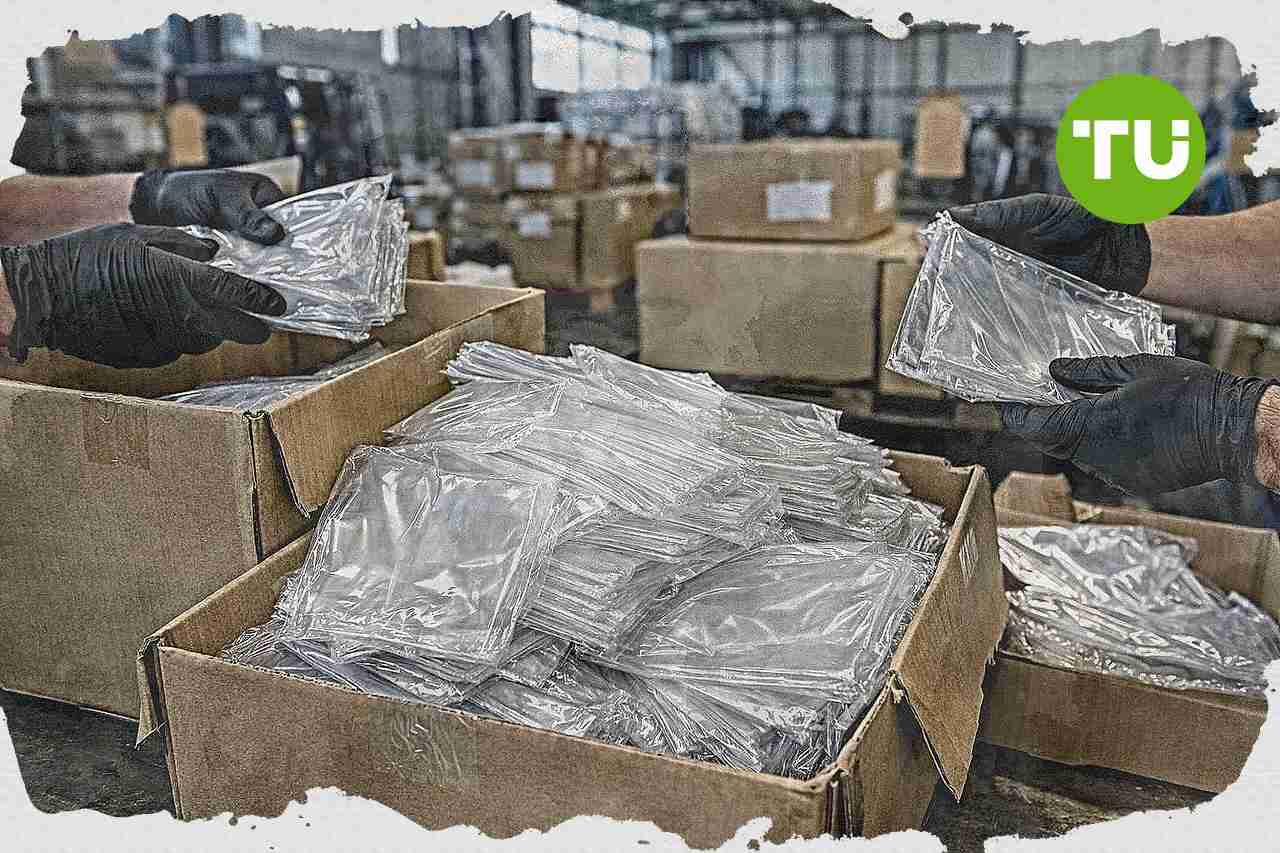
A New York packaging supplier and its chief executive are settling U.S. civil allegations tied to import compliance and trade enforcement. The $7.3 million resolution centers on claims that polyethylene retail carrier bags made in China were declared as originating from Hong Kong to avoid antidumping duties.
Highlights
- Redi-Bag USA and CEO Jeffrey Rabiea agree to pay $7.3 million to settle False Claims Act allegations of evading antidumping duties on Chinese polyethylene retail carrier bags.
- Government alleges Redi-Bag transshipped bags through Hong Kong, concealed Chinese origin, and evaded duties of up to 77.57% under Antidumping Duty Order No. A-570-886.
- Settlement follows whistleblower lawsuit and coincides with the DOJ's announcement of a 2025 Trade Fraud Task Force targeting tariff evasion and trade compliance violations.
Settlement terms and customs allegations
As reported by the U.S. Department of Justice, New York Packaging II LLC, doing business as Redi-Bag USA, and CEO Jeffrey Rabiea agree to pay a total of $7.3 million to resolve allegations under the False Claims Act. The government alleges the company misrepresented the country of origin of polyethylene retail carrier bags on customs entry forms, allowing it to evade antidumping duties owed to the United States.U.S. authorities say importers must declare the origin, value and duty status of goods entering the country, while U.S. Customs and Border Protection collects applicable duties, including antidumping duties imposed by the Department of Commerce. During the period at issue, polyethylene retail carrier bags from China are subject to antidumping duties, with Antidumping Duty Order No. A-570-886 imposing rates of up to 77.57% when applicable.
The United States alleges Redi-Bag USA and Rabiea know the bags supplied to customers across the United States are manufactured in China and transshipped through Hong Kong, but still list Hong Kong as the country of origin on customs forms. The government also alleges they conceal the goods' true origin by withholding information from the company's customs broker and CBP, directing employees to cover up "Made in China" markings, asking the manufacturer to remove those markings, and canceling orders after learning customs authorities would inspect them.
The settlement resolves a civil lawsuit filed in the U.S. District Court for the District of New Jersey by whistleblower John Maierhoffer, a former contracted sales representative for Redi-Bag USA. Under the resolution, Maierhoffer receives about $1,332,250 from the settlement proceeds, while the Justice Department says the claims resolved remain allegations only and there has been no determination of liability.
Trade enforcement pressure on importers
Justice Department officials say the case fits into a broader push to pursue fraud, waste and abuse affecting federal programs and trade compliance. The department says its False Claims Act enforcement continues to play a central role in recovering funds for taxpayers and targeting schemes that harm businesses operating within U.S. rules.In 2025, the Department of Justice launches a cross-agency Trade Fraud Task Force to strengthen efforts against conduct that deprives the government of revenue, threatens domestic industries, undermines consumer confidence and weakens national security. The task force brings together the department's Civil and Criminal Divisions with the Department of Homeland Security to pursue parties that evade tariffs and other duties, as well as smugglers seeking to bring prohibited goods into the U.S. economy.
The Redi-Bag matter results from coordination between the Civil Division's Commercial Litigation Branch, Fraud Section, the U.S. Attorney's Office for the District of New Jersey and several CBP units. Trial Attorney Gavin Thole and Assistant U.S. Attorney David Simunovich handle the case.
Our earlier report on U.S. Treasury sanctions targeting an IRGC-linked procurement network outlined measures against seven individuals and entities accused of supporting Iran’s overseas weapons-supply channels through aviation, transport, and financial intermediaries. We noted that the designations block assets under U.S. jurisdiction, restrict dealings by U.S. persons, and warn that certain foreign financial institutions could face secondary sanctions exposure for facilitating significant transactions with listed parties.


Latest Tariffs News






-
 Afghanistan
-
 Albania
-
 Algeria
-
 Angola
-
 Argentina
-
 Armenia
-
 Australia
-
 Austria
-
 Azerbaijan
-
 Bahamas
-
 Bahrain
-
 Bangladesh
-
 Belarus
-
 Belgium
-
 Bolivia
-
 Botswana
-
 Brazil
-
 Brunei
-
 Bulgaria
-
 Cambodia
-
 Cameroon
-
 Canada
-
 Chile
Chile
-
 China
China
-
 Colombia
-
 Congo
Congo
-
 Costa Rica
-
 Cote d'Ivoire
-
 Croatia
-
 Cuba
Cuba
-
 Cyprus
-
 Czechia
-
 DR Congo
-
 Denmark
-
 Dominican Republic
-
 Ecuador
-
 Egypt
Egypt
-
 El Salvador
-
 Estonia
-
 Eswatini
-
 Ethiopia
-
 Finland
-
 France
-
 Georgia
-
 Germany
-
 Ghana
Ghana
-
 Greece
-
 Haiti
Haiti
-
 Hong Kong
-
 Hungary
-
 India
India
-
 Indonesia
-
 Iran, Islamic republic
-
 Iraq
Iraq
-
 Ireland
-
 Israel
-
 Italy
Italy
-
 Jamaica
-
 Japan
Japan
-
 Jordan
-
 Kazakhstan
-
 Kenya
Kenya
-
 Korea
Korea
-
 Kuwait
-
 Kyrgyzstan
-
 Laos
Laos
-
 Latvia
-
 Lebanon
-
 Lesotho
-
 Libya
Libya
-
 Lithuania
-
 Luxembourg
-
 Madagascar
-
 Malaysia
-
 Malta
Malta
-
 Mauritius
-
 Mexico
-
 Moldova
-
 Mongolia
-
 Montenegro
-
 Morocco
-
 Mozambique
-
 Myanmar
-
 Namibia
-
 Nepal
Nepal
-
 Netherlands
-
 New Zealand
-
 Nigeria
-
 North Macedonia
-
 Norway
-
 Oman
Oman
-
 Pakistan
-
 Palestine
-
 Panama
-
 Papua New Guinea
-
 Paraguay
-
 Peru
Peru
-
 Philippines
-
 Poland
-
 Portugal
-
 Puerto Rico
-
 Qatar
Qatar
-
 Reunion
-
 Romania
-
 Rwanda
-
 Saudi Arabia
-
 Serbia
-
 Singapore
-
 Slovakia
-
 Slovenia
-
 Somalia
-
 South Africa
-
 Spain
Spain
-
 Sri Lanka
-
 Sweden
-
 Switzerland
-
 Syria
Syria
-
 Taiwan
-
 Tajikistan
-
 Tanzania
-
 Thailand
-
 Trinidad and Tobago
-
 Tunisia
-
 Turkey
-
 UAE
UAE
-
 Uganda
-
 Ukraine
-
 United Kingdom
-
United States
-
 Uruguay
-
 Uzbekistan
-
 Venezuela
-
 Vietnam
-
 Yemen
Yemen
-
 Zambia
-
 Zimbabwe
- Forex
- Crypto