
Jingye seeks compensation over British Steel nationalisation in the UK
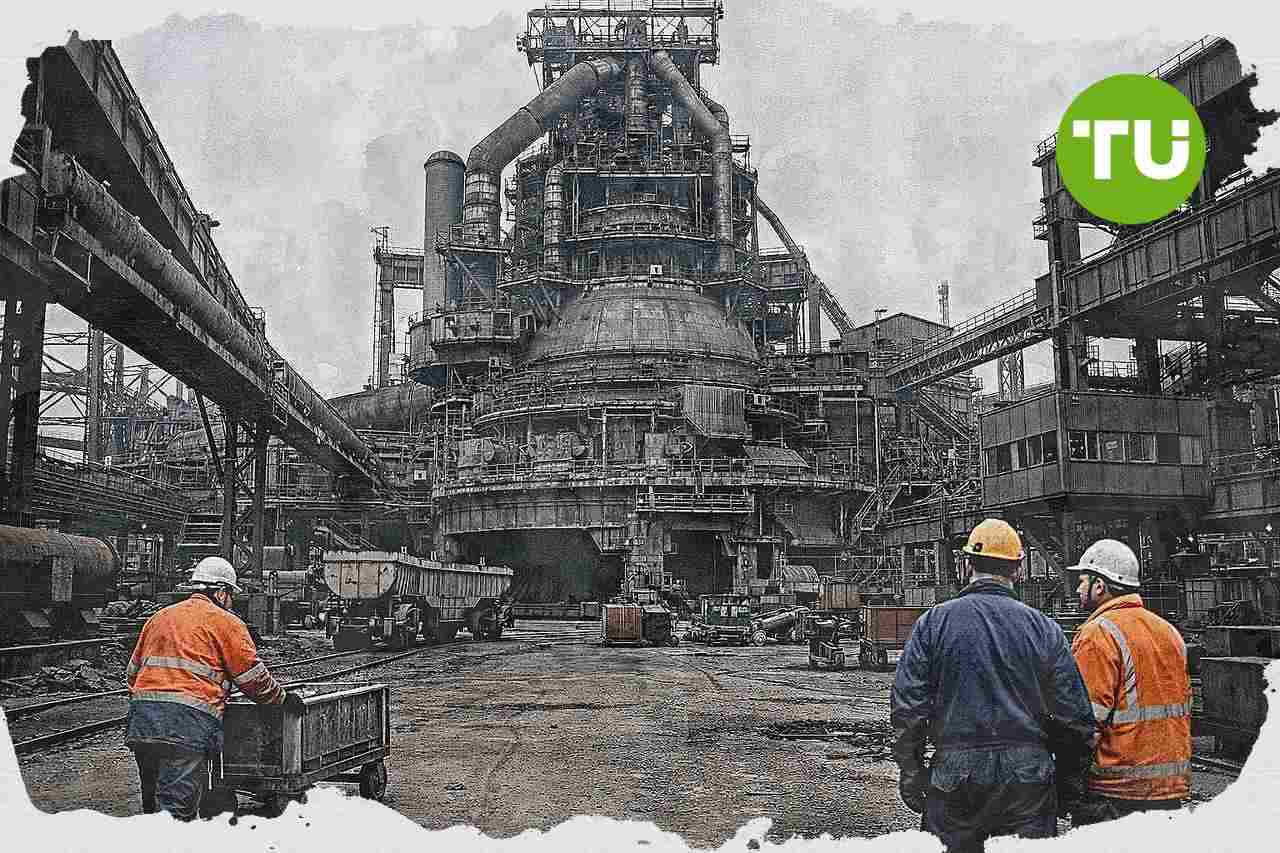
Tensions between London and Beijing are intensifying after the UK takes British Steel into public ownership and moves toward a formal compensation process. Jingye says the state intervention ignores its investment in the steelmaker and is threatening legal action and possible international arbitration.
Highlights
- Jingye has initiated formal consultations and may seek international arbitration, claiming the UK's near-zero compensation offer for British Steel's nationalisation violates international law.
- The UK government deems British Steel’s commercial value to be nil, but will set up a compensation scheme with independent valuation and appeal rights, with regulations expected in autumn 2024.
- China's foreign ministry warns that the dispute over compensation directly impacts Chinese investors' perceptions of the UK investment climate, raising concerns for future cross-border investment flows.
Dispute over compensation process
As reported by Financial Times, citing Jingye in a statement published on WeChat, the Beijing-based group says it has started formal consultations under the relevant bilateral investment agreements and is demanding compensation from the UK government. The company describes the nationalisation as a violation of international law and says the compensation on offer is "almost zero".Jingye also says it plans to pursue legal claims against the UK government and British Steel's management on behalf of British taxpayers, although it does not set out how that would proceed. The group had already announced last month that it was initiating consultations under a bilateral investment treaty and reserving the right to seek international arbitration.
The UK government says it considers the commercial value of British Steel to be nil, but legislation requires ministers to establish a compensation scheme. Regulations are due before parliament in the autumn, after which an independent valuer is set to determine what, if anything, Jingye is owed, with appeal rights available to the company.
Steel capacity and investor implications
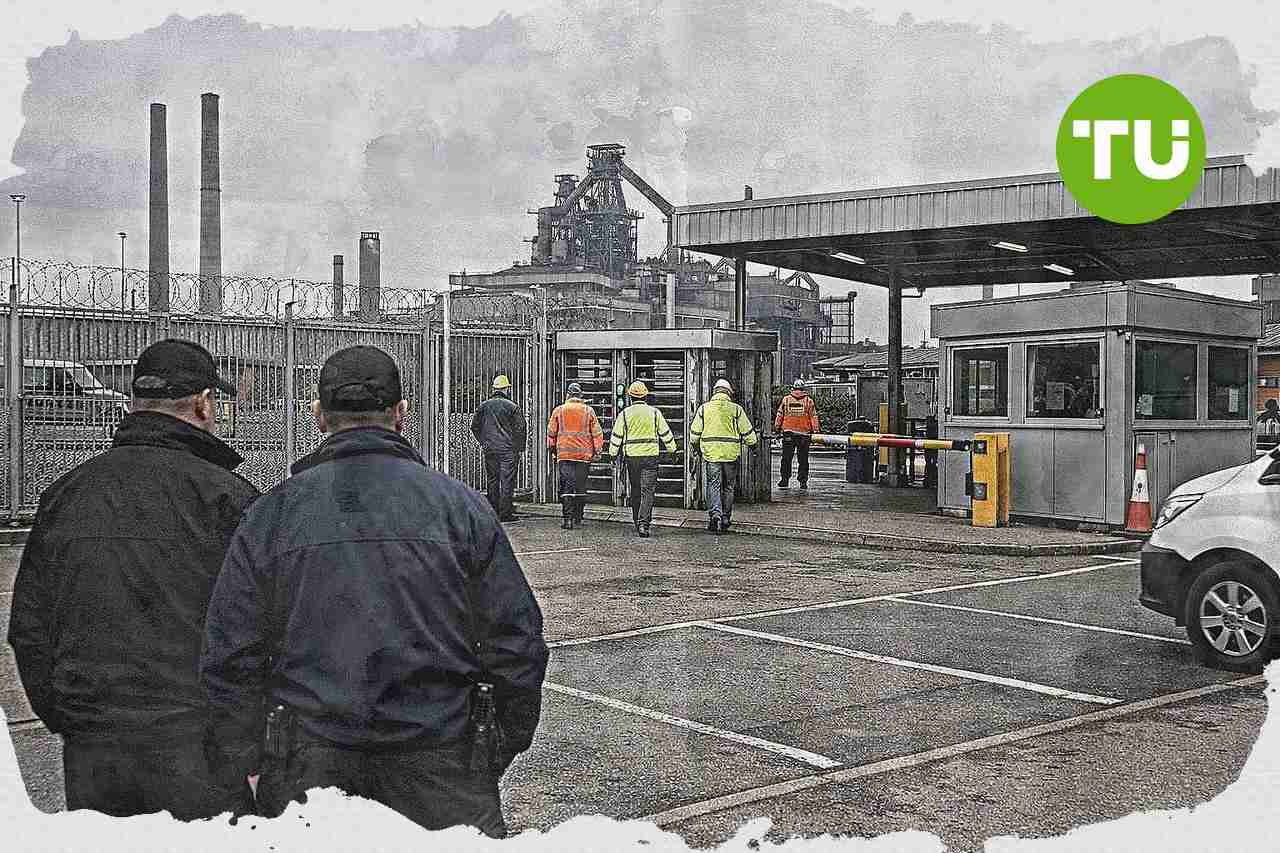
The government formally takes British Steel into public ownership last week after assuming operational control of the business in 2025, when Jingye warns it could close the two blast furnaces at the Scunthorpe plant. Those furnaces are the last in the UK able to produce primary steel from raw materials, and the site employs about 2,700 people.The Department for Business and Trade says on July 17 that the intervention protects thousands of jobs and preserves domestic steelmaking capacity for infrastructure and defence projects. Jingye, which acquired British Steel out of insolvency in 2020, maintains that its investment rescues the company from collapse, but it later becomes locked in a dispute with the UK government over support for the lossmaking Scunthorpe operations.
China's foreign ministry also presses the issue, urging the British government on Saturday to find a mutually acceptable compensation arrangement. It says the UK's handling of the case directly affects how Chinese investors view the British investment environment.
Our earlier report on Jingye’s compensation demand over the UK’s nationalisation of British Steel explained that the company was pushing for prompt, full payment after saying the offer was effectively close to zero. We also noted the group’s estimates of rising public costs to run British Steel and highlighted China’s warning that the dispute could trigger protective measures and weigh on Chinese investor confidence in the UK.


Latest Foreign Investment News





-
 Afghanistan
-
 Albania
-
 Algeria
-
 Angola
-
 Argentina
-
 Armenia
-
 Australia
-
 Austria
-
 Azerbaijan
-
 Bahamas
-
 Bahrain
-
 Bangladesh
-
 Belarus
-
 Belgium
-
 Bolivia
-
 Botswana
-
 Brazil
-
 Brunei
-
 Bulgaria
-
 Cambodia
-
 Cameroon
-
 Canada
-
 Chile
Chile
-
 China
China
-
 Colombia
-
 Congo
Congo
-
 Costa Rica
-
 Cote d'Ivoire
-
 Croatia
-
 Cuba
Cuba
-
 Cyprus
-
 Czechia
-
 DR Congo
-
 Denmark
-
 Dominican Republic
-
 Ecuador
-
 Egypt
Egypt
-
 El Salvador
-
 Estonia
-
 Eswatini
-
 Ethiopia
-
 Finland
-
 France
-
 Georgia
-
 Germany
-
 Ghana
Ghana
-
 Greece
-
 Haiti
Haiti
-
 Hong Kong
-
 Hungary
-
 India
India
-
 Indonesia
-
 Iran, Islamic republic
-
 Iraq
Iraq
-
 Ireland
-
 Israel
-
 Italy
Italy
-
 Jamaica
-
 Japan
Japan
-
 Jordan
-
 Kazakhstan
-
 Kenya
Kenya
-
 Korea
Korea
-
 Kuwait
-
 Kyrgyzstan
-
 Laos
Laos
-
 Latvia
-
 Lebanon
-
 Lesotho
-
 Libya
Libya
-
 Lithuania
-
 Luxembourg
-
 Madagascar
-
 Malaysia
-
 Malta
Malta
-
 Mauritius
-
 Mexico
-
 Moldova
-
 Mongolia
-
 Montenegro
-
 Morocco
-
 Mozambique
-
 Myanmar
-
 Namibia
-
 Nepal
Nepal
-
 Netherlands
-
 New Zealand
-
 Nigeria
-
 North Macedonia
-
 Norway
-
 Oman
Oman
-
 Pakistan
-
 Palestine
-
 Panama
-
 Papua New Guinea
-
 Paraguay
-
 Peru
Peru
-
 Philippines
-
 Poland
-
 Portugal
-
 Puerto Rico
-
 Qatar
Qatar
-
 Reunion
-
 Romania
-
 Rwanda
-
 Saudi Arabia
-
 Serbia
-
 Singapore
-
 Slovakia
-
 Slovenia
-
 Somalia
-
 South Africa
-
 Spain
Spain
-
 Sri Lanka
-
 Sweden
-
 Switzerland
-
 Syria
Syria
-
 Taiwan
-
 Tajikistan
-
 Tanzania
-
 Thailand
-
 Trinidad and Tobago
-
 Tunisia
-
 Turkey
-
 UAE
UAE
-
 Uganda
-
 Ukraine
-
 United Kingdom
-
United States
-
 Uruguay
-
 Uzbekistan
-
 Venezuela
-
 Vietnam
-
 Yemen
Yemen
-
 Zambia
-
 Zimbabwe
- Forex
- Crypto











