UK defence ministry stops short of 3% spending pledge as drone programme advances

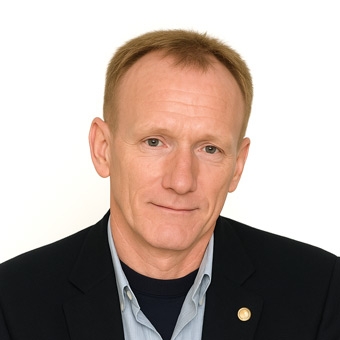
Britain's new defence secretary is declining to back a rise in military spending to 3% of GDP by 2030 as the government keeps its stated path toward higher long-term defence outlays. The stance comes days after a change in top economic and defence roles, while ministers also push new procurement and industrial initiatives across the sector.
Highlights
- Wes Streeting reaffirms UK commitment to raise defence spending to 3.5% of GDP by 2035 but declines to back a 3% target by 2030.
- Streeting prioritizes potential entry into the Defence, Security and Resilience Bank, emphasizing disciplined spending and productivity in defence procurement.
- BAE Systems' Brontanax fighter drone, unveiled at Farnborough, will serve as the UK's operational concept demonstrator and aims for its first flight in 2027.
Spending target and budget stance
As reported by Financial Times, Wes Streeting says the UK remains committed to raising defence spending to 3.5% of economic output by 2035 in line with Nato targets, but he does not commit to an ambition of reaching 3% by 2030. Asked at the Farnborough air show whether he would support that goal, he says it is not for him to write the chancellor's budget.Streeting says he does not want defence to operate on the cheap, but adds that the chancellor's position on defence investment is already on the record. He also says he will put the strongest possible case for defence to the Treasury rather than set the next budget himself.
The issue carries added weight because John Healey, now chancellor, resigned as defence secretary in the previous government after warning that existing spending plans were not enough to keep the country safe. Current plans are due to lift defence spending to 2.7% of GDP by 2030, while Healey had argued for a 3% level by that date.
Industrial reform and drone development
Streeting says an early priority is to examine whether the UK should join the Defence, Security and Resilience Bank financing scheme, adding that he will work with the prime minister and the chancellor on a decision. He says that initiative could sit alongside the Multilateral Defence Mechanism, a rival lender backed by the previous government with Finland and the Netherlands.He also presents himself as a moderniser for the Ministry of Defence and says higher budgets must be matched by tighter spending discipline, better productivity and stronger procurement performance. In his view, the government needs to show that existing resources are being used wisely at a time of rising defence investment.
At Farnborough, Streeting unveils a full-scale model of BAE Systems' fighter drone Brontanax, which is designed to fly alongside crewed aircraft, and calls it a breakthrough for UK defence and re-industrialisation. He says the UK will adopt the drone as its operational concept demonstrator and get it airborne in 2027.
BAE Systems develops Brontanax with the Royal Air Force and already has a fully assembled aircraft at its Warton site in north-west England. The programme sits within a broader market push into Collaborative Combat Aircraft, with groups including Airbus, Boeing and Anduril investing in similar systems, while the UK last week announces a £300 million Storm Fighter programme to seek a fleet of drones to fly beside fighter jets.
In our earlier article on Germany’s plan to expand state backing for defence technology start-ups, we explained how Berlin aims to invest directly via KfW and a new investment vehicle to boost military innovation. We also noted proposed measures such as tax incentives, faster export-licence reviews and simplified digital business processes, as the government seeks to channel rising defence budgets into domestic industrial capacity and long-term growth.


Latest Company News News







-
 Afghanistan
-
 Albania
-
 Algeria
-
 Angola
-
 Argentina
-
 Armenia
-
 Australia
-
 Austria
-
 Azerbaijan
-
 Bahamas
-
 Bahrain
-
 Bangladesh
-
 Belarus
-
 Belgium
-
 Bolivia
-
 Botswana
-
 Brazil
-
 Brunei
-
 Bulgaria
-
 Cambodia
-
 Cameroon
-
 Canada
-
 Chile
Chile
-
 China
China
-
 Colombia
-
 Congo
Congo
-
 Costa Rica
-
 Cote d'Ivoire
-
 Croatia
-
 Cuba
Cuba
-
 Cyprus
-
 Czechia
-
 DR Congo
-
 Denmark
-
 Dominican Republic
-
 Ecuador
-
 Egypt
Egypt
-
 El Salvador
-
 Estonia
-
 Eswatini
-
 Ethiopia
-
 Finland
-
 France
-
 Georgia
-
 Germany
-
 Ghana
Ghana
-
 Greece
-
 Haiti
Haiti
-
 Hong Kong
-
 Hungary
-
 India
India
-
 Indonesia
-
 Iran, Islamic republic
-
 Iraq
Iraq
-
 Ireland
-
 Israel
-
 Italy
Italy
-
 Jamaica
-
 Japan
Japan
-
 Jordan
-
 Kazakhstan
-
 Kenya
Kenya
-
 Korea
Korea
-
 Kuwait
-
 Kyrgyzstan
-
 Laos
Laos
-
 Latvia
-
 Lebanon
-
 Lesotho
-
 Libya
Libya
-
 Lithuania
-
 Luxembourg
-
 Madagascar
-
 Malaysia
-
 Malta
Malta
-
 Mauritius
-
 Mexico
-
 Moldova
-
 Mongolia
-
 Montenegro
-
 Morocco
-
 Mozambique
-
 Myanmar
-
 Namibia
-
 Nepal
Nepal
-
 Netherlands
-
 New Zealand
-
 Nigeria
-
 North Macedonia
-
 Norway
-
 Oman
Oman
-
 Pakistan
-
 Palestine
-
 Panama
-
 Papua New Guinea
-
 Paraguay
-
 Peru
Peru
-
 Philippines
-
 Poland
-
 Portugal
-
 Puerto Rico
-
 Qatar
Qatar
-
 Reunion
-
 Romania
-
 Rwanda
-
 Saudi Arabia
-
 Serbia
-
 Singapore
-
 Slovakia
-
 Slovenia
-
 Somalia
-
 South Africa
-
 Spain
Spain
-
 Sri Lanka
-
 Sweden
-
 Switzerland
-
 Syria
Syria
-
 Taiwan
-
 Tajikistan
-
 Tanzania
-
 Thailand
-
 Trinidad and Tobago
-
 Tunisia
-
 Turkey
-
 UAE
UAE
-
 Uganda
-
 Ukraine
-
 United Kingdom
-
United States
-
 Uruguay
-
 Uzbekistan
-
 Venezuela
-
 Vietnam
-
 Yemen
Yemen
-
 Zambia
-
 Zimbabwe
- Forex
- Crypto












