
U.S. permitting reform debate gains urgency amid Iran war energy risks
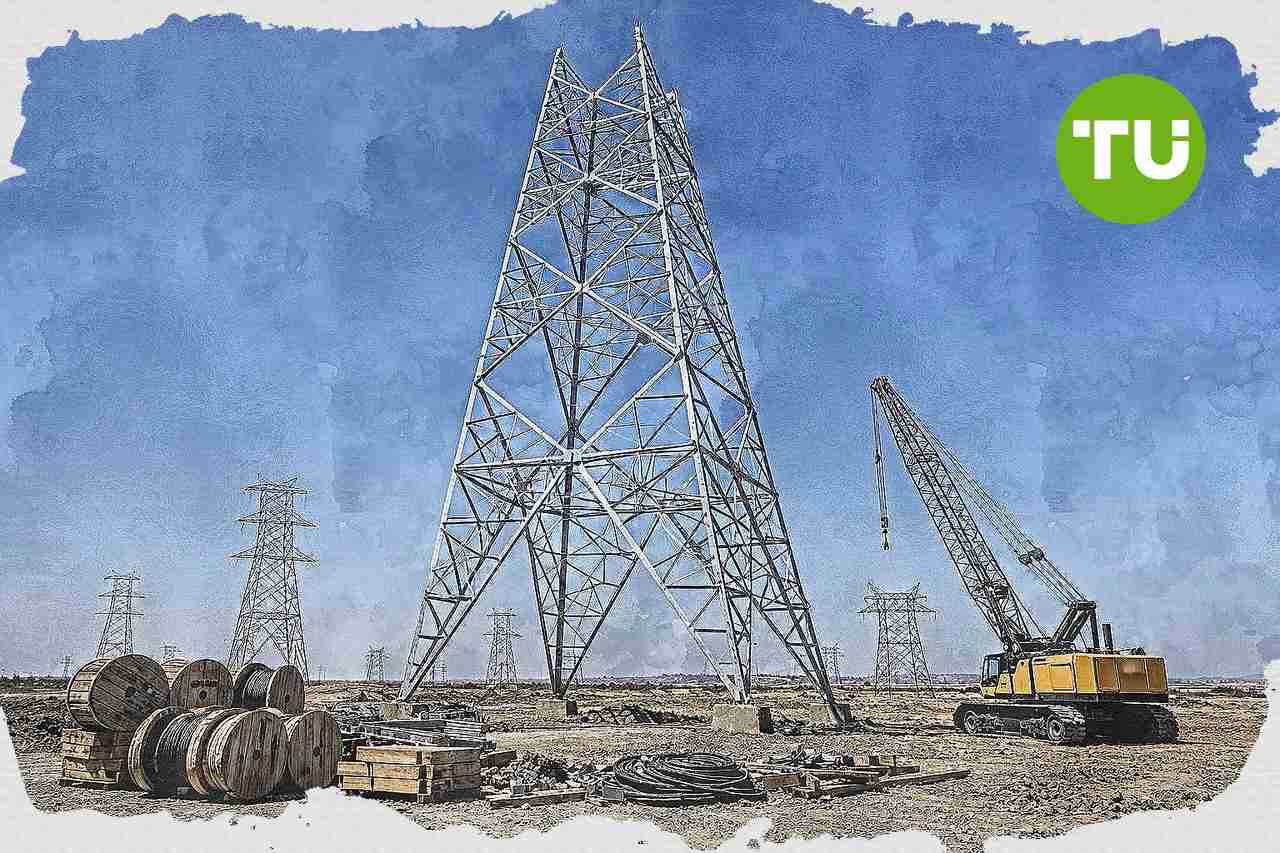
Rising tensions in the Middle East are sharpening scrutiny of how quickly the U.S. can build energy and electricity infrastructure at home. The renewed debate centers on whether faster permitting could strengthen energy security, contain power costs and support sectors such as AI that need large new power supplies.
Highlights
- Brent crude rose to $94 on Wednesday as Iran conflict and Houthi threats over Saudi energy routes heightened global supply concerns.
- U.S. permitting timelines for energy projects now average over four years, up from months or a year, raising infrastructure bottleneck risks.
- Democrats and Republicans resumed permitting reform talks this month, but analysts see little chance of a 2024 breakthrough before the elections.
Permitting talks regain momentum
As reported by Financial Times, the war involving Iran is adding urgency to long-running U.S. discussions over permitting reform as policymakers and industry groups weigh how to accelerate approvals for pipelines, transmission lines and other energy projects.Brent crude rises to $94 on Wednesday after tit-for-tat strikes between Washington and Tehran intensify, while threats from the Houthis to impose a naval blockade against Saudi Arabia add to concerns over global supply routes. That backdrop is reinforcing arguments that domestic infrastructure bottlenecks leave the U.S. more exposed to external energy shocks.
John Arnold, the billionaire former gas trader whose Arnold Ventures backs reform efforts, says the U.S. needs to modernize a system that has become harder to navigate as energy policy grows more politicized. He says projects often face years of delay even after permitting is completed, pushing up costs through litigation and inflation.
Xan Fishman, vice-president of the energy programme at the Bipartisan Policy Center, says permitting timelines have stretched from a process that once took months or up to a year to one that now averages more than four years. He says current law also makes it relatively easy for individual states to block transmission lines or natural gas pipelines.
Costs, competitiveness and legislative hurdles
Arnold says the consequences extend beyond energy security to electricity prices and the U.S. competitive position. He argues that without faster construction of power infrastructure and data centers, the country risks undermining its lead in AI, where reliable and abundant electricity is becoming a strategic advantage.Analysts at Rapidan Energy Group say Democrats and Republicans have re-engaged in detailed permitting negotiations this month, but they are skeptical of a breakthrough because of low trust between the parties and a tight legislative calendar ahead of the midterms. They say a post-election lame-duck session is the only plausible, though unlikely, window for passage this year, and even that depends on Republicans retaining control of Congress.
Negotiations are being led in part by Martin Heinrich of the Senate energy and natural resources committee and Sheldon Whitehouse of the environment and public works committee. Rich Powell, chief executive of CEBA, says businesses want a broad compromise that delivers energy certainty and a more neutral system after years of policy swings affecting both fossil fuel and renewable projects.
In our earlier report on the surge in U.S. gasoline and diesel prices linked to the Iran conflict, we described how tight inventories and refinery constraints were keeping fuel markets under strain during peak demand. We also noted that diesel was the bigger macro risk, as higher transport costs can ripple through the economy and add to inflation pressure.







-
 Afghanistan
-
 Albania
-
 Algeria
-
 Angola
-
 Argentina
-
 Armenia
-
 Australia
-
 Austria
-
 Azerbaijan
-
 Bahamas
-
 Bahrain
-
 Bangladesh
-
 Belarus
-
 Belgium
-
 Bolivia
-
 Botswana
-
 Brazil
-
 Brunei
-
 Bulgaria
-
 Cambodia
-
 Cameroon
-
 Canada
-
 Chile
Chile
-
 China
China
-
 Colombia
-
 Congo
Congo
-
 Costa Rica
-
 Cote d'Ivoire
-
 Croatia
-
 Cuba
Cuba
-
 Cyprus
-
 Czechia
-
 DR Congo
-
 Denmark
-
 Dominican Republic
-
 Ecuador
-
 Egypt
Egypt
-
 El Salvador
-
 Estonia
-
 Eswatini
-
 Ethiopia
-
 Finland
-
 France
-
 Georgia
-
 Germany
-
 Ghana
Ghana
-
 Greece
-
 Haiti
Haiti
-
 Hong Kong
-
 Hungary
-
 India
India
-
 Indonesia
-
 Iran, Islamic republic
-
 Iraq
Iraq
-
 Ireland
-
 Israel
-
 Italy
Italy
-
 Jamaica
-
 Japan
Japan
-
 Jordan
-
 Kazakhstan
-
 Kenya
Kenya
-
 Korea
Korea
-
 Kuwait
-
 Kyrgyzstan
-
 Laos
Laos
-
 Latvia
-
 Lebanon
-
 Lesotho
-
 Libya
Libya
-
 Lithuania
-
 Luxembourg
-
 Madagascar
-
 Malaysia
-
 Malta
Malta
-
 Mauritius
-
 Mexico
-
 Moldova
-
 Mongolia
-
 Montenegro
-
 Morocco
-
 Mozambique
-
 Myanmar
-
 Namibia
-
 Nepal
Nepal
-
 Netherlands
-
 New Zealand
-
 Nigeria
-
 North Macedonia
-
 Norway
-
 Oman
Oman
-
 Pakistan
-
 Palestine
-
 Panama
-
 Papua New Guinea
-
 Paraguay
-
 Peru
Peru
-
 Philippines
-
 Poland
-
 Portugal
-
 Puerto Rico
-
 Qatar
Qatar
-
 Reunion
-
 Romania
-
 Rwanda
-
 Saudi Arabia
-
 Serbia
-
 Singapore
-
 Slovakia
-
 Slovenia
-
 Somalia
-
 South Africa
-
 Spain
Spain
-
 Sri Lanka
-
 Sweden
-
 Switzerland
-
 Syria
Syria
-
 Taiwan
-
 Tajikistan
-
 Tanzania
-
 Thailand
-
 Trinidad and Tobago
-
 Tunisia
-
 Turkey
-
 UAE
UAE
-
 Uganda
-
 Ukraine
-
 United Kingdom
-
United States
-
 Uruguay
-
 Uzbekistan
-
 Venezuela
-
 Vietnam
-
 Yemen
Yemen
-
 Zambia
-
 Zimbabwe
- Forex
- Crypto












