
U.S. weapons makers expand order backlogs as Iran war drives missile demand
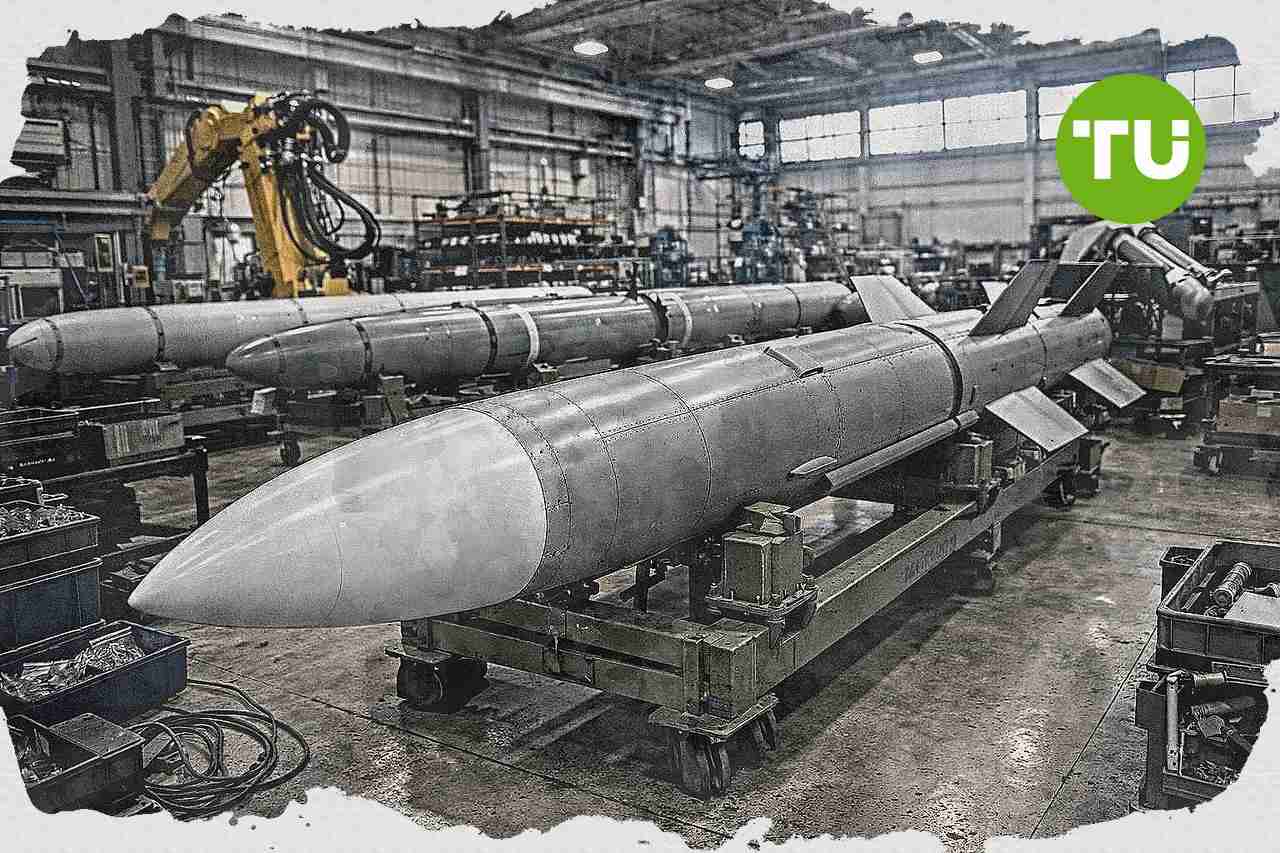
Rising Pentagon spending is lifting revenue and profit expectations across major U.S. defense contractors as Washington moves to rebuild missile inventories depleted by the Iran conflict and aid to Ukraine. The production push is also prompting longer-term purchasing commitments and fresh factory investment, signaling sustained demand across the missile and munitions sector.
Highlights
- Lockheed Martin reports second-quarter missile business revenue up 20 per cent to $4.1bn, with backlog reaching $230bn on a $35bn Terminal High Altitude Area Defense order.
- RTX second-quarter sales grow 18 per cent, as Pentagon requests 785 Tomahawk missiles for 2027 budget, sharply above past average of 86 per year.
- Northrop Grumman backlog hits record $105bn after $20bn in new Q2 awards including $7.6bn for Sentinel ICBM, as U.S. conflict with Iran and Ukraine support strain missile inventories.
Missile production ramps up after stockpile strain
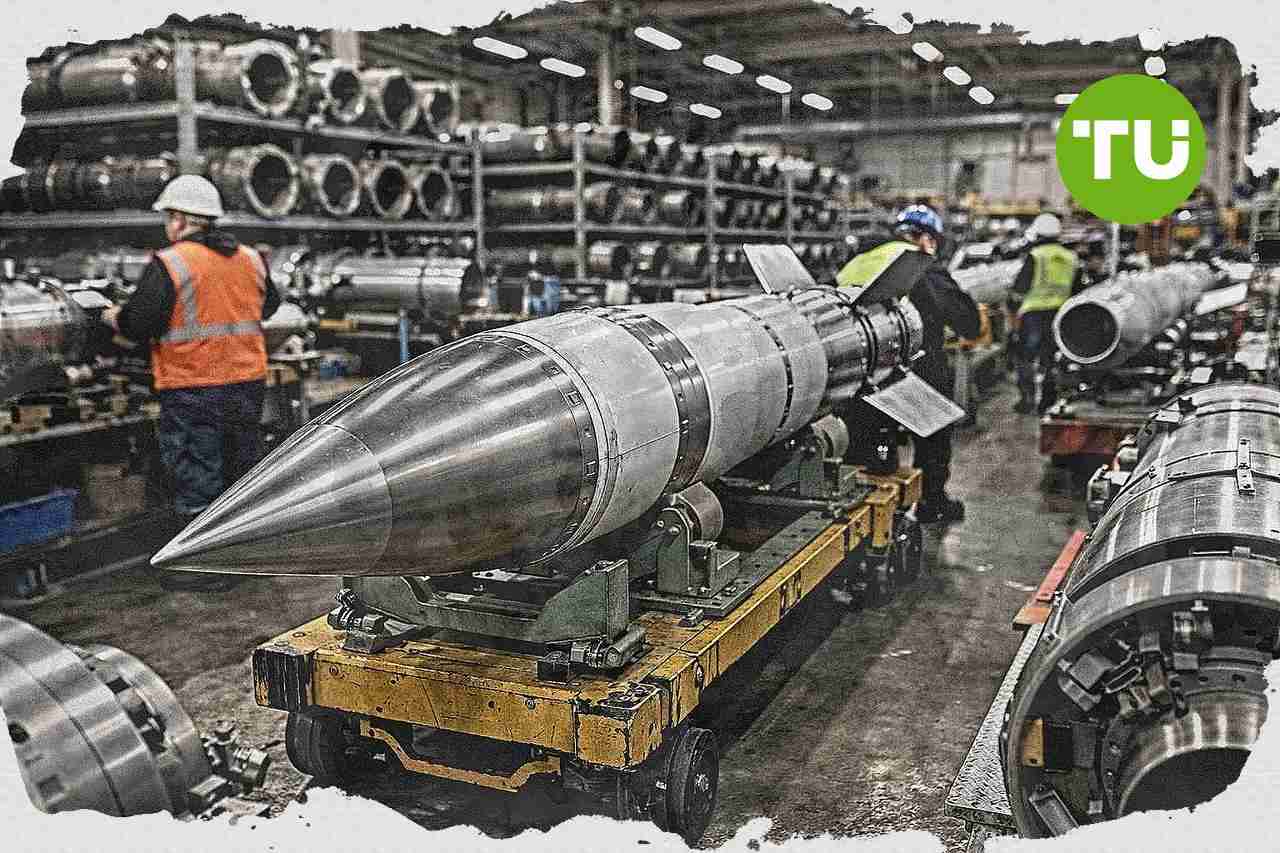
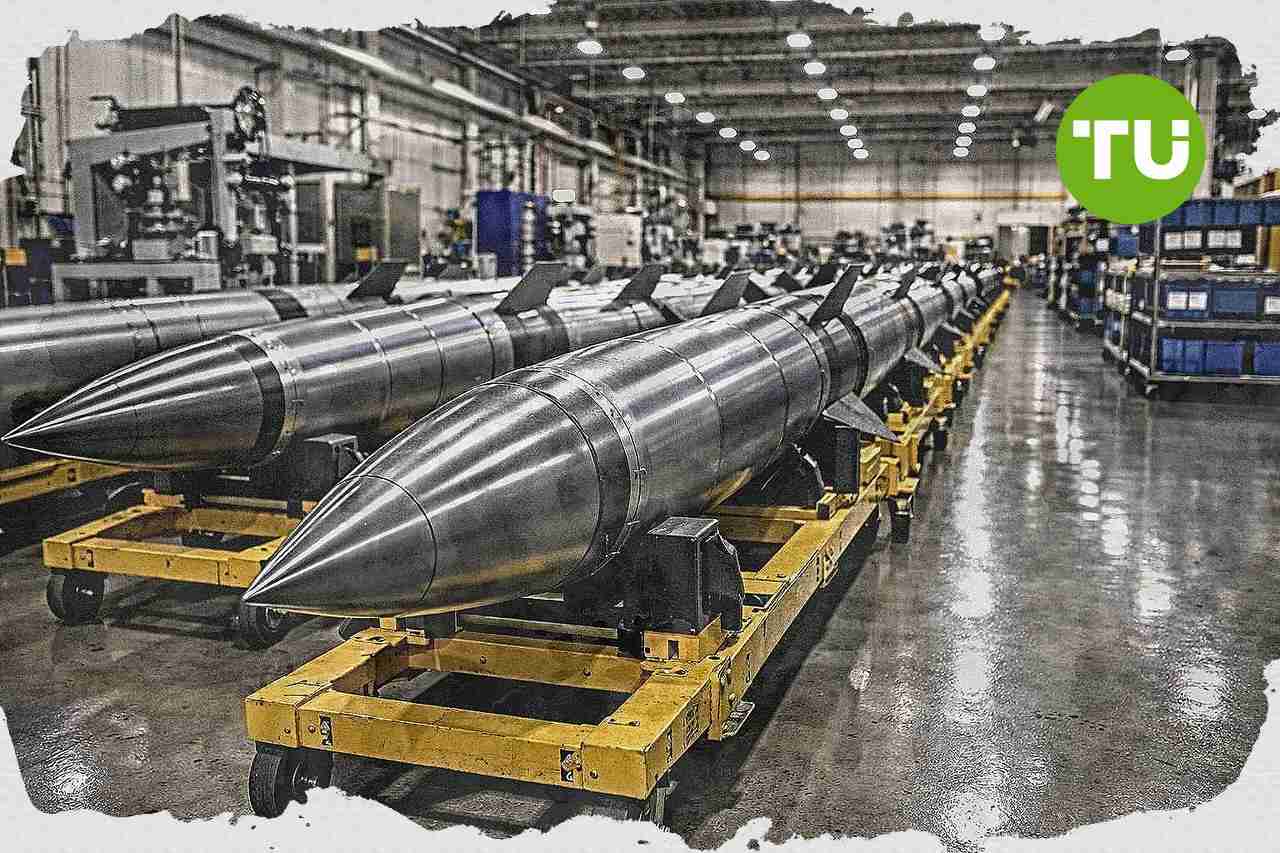
As reported by Financial Times, Lockheed Martin, Northrop Grumman and RTX are posting stronger sales and record backlogs as the Pentagon presses contractors to raise output and shift the defense industrial base toward a war footing.Lockheed says second-quarter revenue in its missiles business rises 20 per cent year on year to $4.1bn as it increases production of Patriot and Precision Strike missiles, both used by the U.S. this year in its war with Iran. A $35bn order from the U.S. Missile Defense Agency to quadruple production of the Terminal High Altitude Area Defense anti-ballistic missile system helps lift the company's backlog to $230bn.
RTX reports second-quarter sales growth of 18 per cent. The company makes the Tomahawk missile, which features prominently in the U.S. military campaign against Iran, and the Pentagon has requested 785 Tomahawks for the 2027 budget after procuring an average of 86 a year over the past decade.
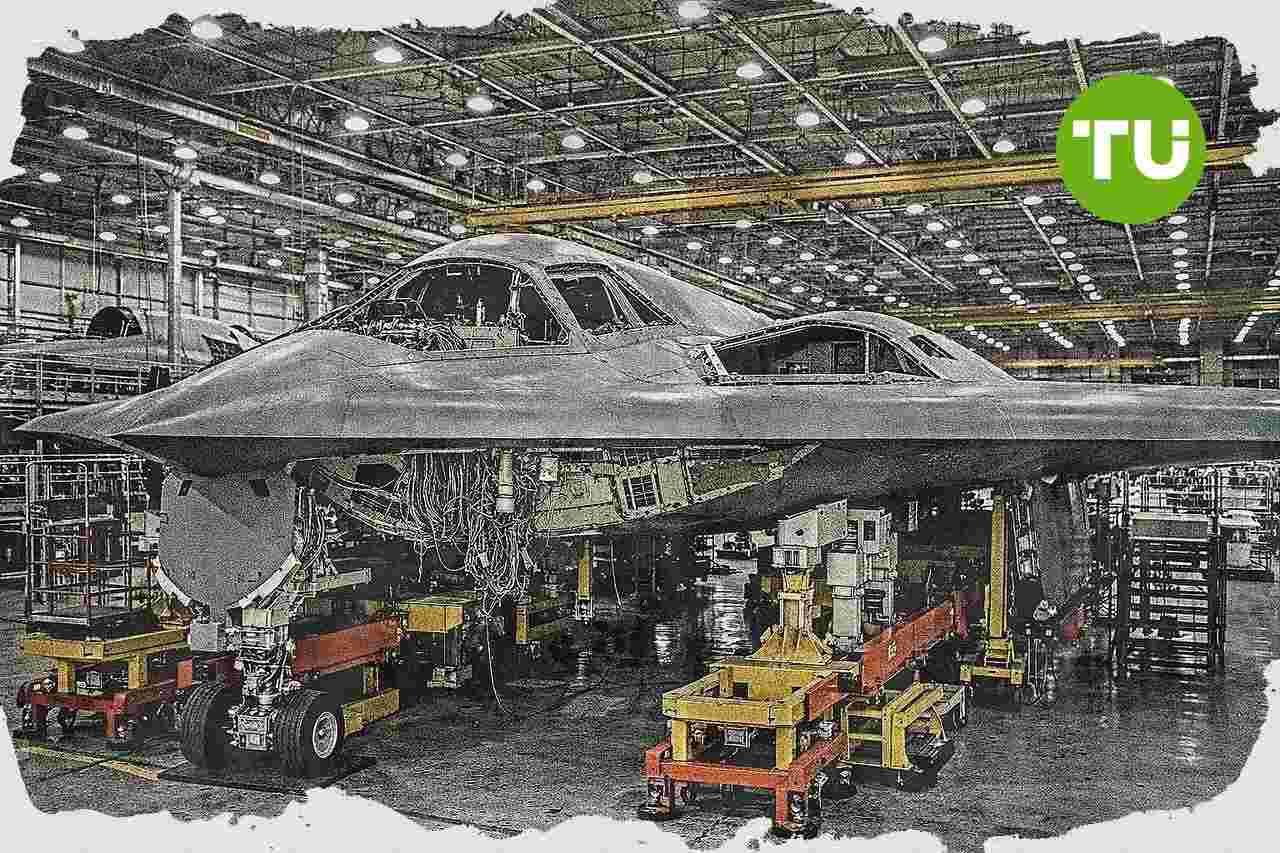
Northrop Grumman says its backlog reaches a record $105bn after receiving $20bn of second-quarter contract awards, including $7.6bn for its Sentinel intercontinental ballistic missile program, part of the land-based leg of the U.S. nuclear triad deterrence strategy.
Defense spending supports long-term industry expansion
The Center for Strategic and International Studies says in May that the U.S. expends between 1,000 and 1,400 Patriot missiles in Iran and that, combined with support for Ukraine, creates deep order bottlenecks that may take until mid-2029 to clear. Scott Mikus, an analyst at Melius Research, says hostilities between Iran and the U.S. will further deplete inventories of missiles and interceptors sold by RTX, while overseas demand remains strong.Contractors are responding with new capacity investment as the Pentagon offers longer seven-year framework agreements for munitions purchases to give manufacturers and suppliers clearer demand visibility. Lockheed breaks ground in May on a new facility in Alabama, while Northrop, Raytheon and L3Harris are also investing billions of dollars to expand manufacturing footprints.
Executives indicate they expect the demand cycle to continue. RTX chief executive Christopher Calio says he is encouraged by the U.S. base defense budget request crossing the $1tn mark, while Lockheed chief executive Jim Taiclet says the new framework agreements support investment in manufacturing and design capability before orders arrive. Lockheed shares rise more than 11 per cent on Thursday morning, and RTX shares gain 9 per cent.
In our earlier article on Lockheed Martin’s Q2 2026 results and the LMT stock rally, we noted that the company posted strong sales growth and lifted its full-year guidance, which helped drive the shares sharply higher. We also highlighted that, despite the bullish trend, technical indicators looked overbought and elevated volatility increased the risk of a short-term pullback, with the $528.88 area flagged as key support.


Latest Northrop Grumman Corporation News




-
 Afghanistan
-
 Albania
-
 Algeria
-
 Angola
-
 Argentina
-
 Armenia
-
 Australia
-
 Austria
-
 Azerbaijan
-
 Bahamas
-
 Bahrain
-
 Bangladesh
-
 Belarus
-
 Belgium
-
 Bolivia
-
 Botswana
-
 Brazil
-
 Brunei
-
 Bulgaria
-
 Cambodia
-
 Cameroon
-
 Canada
-
 Chile
Chile
-
 China
China
-
 Colombia
-
 Congo
Congo
-
 Costa Rica
-
 Cote d'Ivoire
-
 Croatia
-
 Cuba
Cuba
-
 Cyprus
-
 Czechia
-
 DR Congo
-
 Denmark
-
 Dominican Republic
-
 Ecuador
-
 Egypt
Egypt
-
 El Salvador
-
 Estonia
-
 Eswatini
-
 Ethiopia
-
 Finland
-
 France
-
 Georgia
-
 Germany
-
 Ghana
Ghana
-
 Greece
-
 Haiti
Haiti
-
 Hong Kong
-
 Hungary
-
 India
India
-
 Indonesia
-
 Iran, Islamic republic
-
 Iraq
Iraq
-
 Ireland
-
 Israel
-
 Italy
Italy
-
 Jamaica
-
 Japan
Japan
-
 Jordan
-
 Kazakhstan
-
 Kenya
Kenya
-
 Korea
Korea
-
 Kuwait
-
 Kyrgyzstan
-
 Laos
Laos
-
 Latvia
-
 Lebanon
-
 Lesotho
-
 Libya
Libya
-
 Lithuania
-
 Luxembourg
-
 Madagascar
-
 Malaysia
-
 Malta
Malta
-
 Mauritius
-
 Mexico
-
 Moldova
-
 Mongolia
-
 Montenegro
-
 Morocco
-
 Mozambique
-
 Myanmar
-
 Namibia
-
 Nepal
Nepal
-
 Netherlands
-
 New Zealand
-
 Nigeria
-
 North Macedonia
-
 Norway
-
 Oman
Oman
-
 Pakistan
-
 Palestine
-
 Panama
-
 Papua New Guinea
-
 Paraguay
-
 Peru
Peru
-
 Philippines
-
 Poland
-
 Portugal
-
 Puerto Rico
-
 Qatar
Qatar
-
 Reunion
-
 Romania
-
 Rwanda
-
 Saudi Arabia
-
 Serbia
-
 Singapore
-
 Slovakia
-
 Slovenia
-
 Somalia
-
 South Africa
-
 Spain
Spain
-
 Sri Lanka
-
 Sweden
-
 Switzerland
-
 Syria
Syria
-
 Taiwan
-
 Tajikistan
-
 Tanzania
-
 Thailand
-
 Trinidad and Tobago
-
 Tunisia
-
 Turkey
-
 UAE
UAE
-
 Uganda
-
 Ukraine
-
 United Kingdom
-
United States
-
 Uruguay
-
 Uzbekistan
-
 Venezuela
-
 Vietnam
-
 Yemen
Yemen
-
 Zambia
-
 Zimbabwe
- Forex
- Crypto












