
U.S. energy system faces new stress test as Middle East risks rise
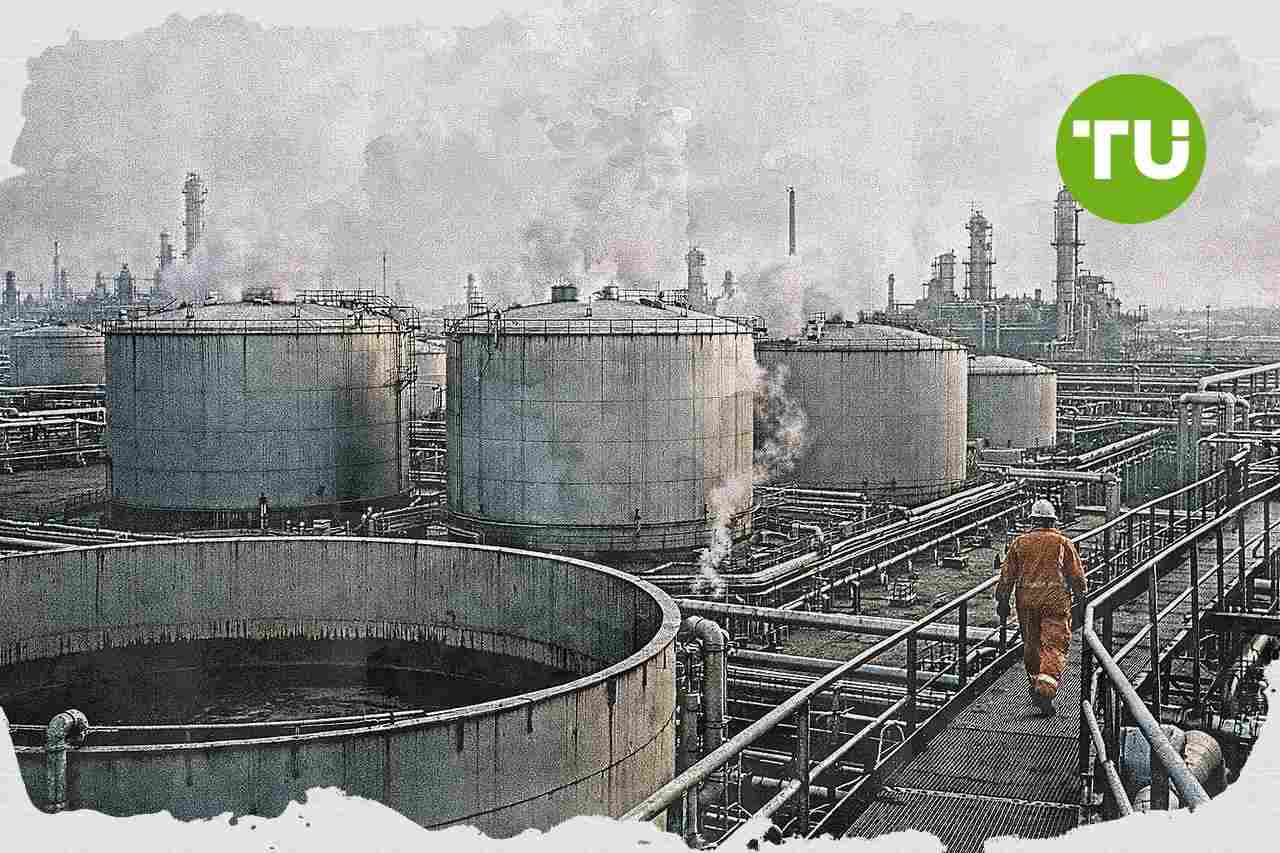
Rising tensions involving Iran and the Houthis are testing the resilience of a U.S. energy system already operating under heavy summer demand. The focus is shifting from the country’s resource abundance to whether oil, gas, power and fuel infrastructure can expand quickly enough to preserve spare capacity.
Highlights
- U.S. crude output is near a record 13.8 million barrels per day with 450 rigs active, offering moderate flexibility to respond to price-driven supply shifts.
- Gasoline inventories are about 9% below year-ago levels despite refineries processing over 17 million barrels per day, indicating tighter downstream supply due to strong export demand.
- Dry gas production is near 111 billion cubic feet per day and power generation is up 2% year-over-year, but rising demand and LNG exports could tighten balances as Middle East risks persist.
Key market indicators under scrutiny
As reported by Reuters, traders, utilities and policymakers are watching domestic crude production, natural gas output, electricity generation, refinery activity, gasoline supply and gas storage as real-time gauges of the U.S. energy system’s ability to absorb external shocks.U.S. crude output is near a record 13.8 million barrels per day, according to Energy Information Administration data, helping offset overseas supply disruptions. With about 450 rigs drilling for new supply, compared with a 2014 peak of 1,600 rigs cited from Baker Hughes data, the industry still retains some capacity to respond if higher prices improve drilling economics.
U.S. dry gas production is near a record 111 billion cubic feet per day, while average output in 2026 is close to 110 billion cubic feet per day, up about 4% from the previous year. That supports a power sector increasingly reliant on gas-fired generation, although mature basins and rising extraction costs may limit longer-term supply growth.
Refineries are processing more than 17 million barrels per day of crude, near record levels, but gasoline and diesel inventories remain close to multi-year lows. Gasoline stocks are about 9% below year-ago levels, suggesting tighter domestic fuel supply as strong export demand absorbs part of the increased refinery output.
Demand pressure keeps spare capacity in focus
Storage levels continue to reflect the balance between supply and demand across the system. U.S. gas inventories are roughly in line with last year, indicating adequate reserves, but near-record LNG exports to Asia and Europe suggest underlying conditions may be tighter than storage figures alone imply.Power generation is up about 2% from a year ago, according to LSEG data, driven by heat waves and steadily rising electricity use from households, businesses and data centers. Output is near record highs, but weak wind generation, extreme temperatures or other disruptions can quickly tighten balances and increase dependence on gas-fired plants.
Taken together, the indicators suggest the U.S. remains well supplied for now. But as Middle East geopolitical risks intensify and domestic demand keeps climbing, the data are becoming a closer test of whether the country is adding resilience or running its energy infrastructure with thinner margins.
Our earlier report on the Department of Energy’s emergency order for the Southwest Power Pool detailed how federal officials authorized dispatch of specified generation and backup resources across 17 states to curb blackout risks during extreme heat. The piece noted that more than 35 gigawatts of unused backup generation nationwide could help cover peak-demand stress, underscoring how quickly power-system margins can tighten in summer conditions.


Latest Natural Gas News






-
 Afghanistan
-
 Albania
-
 Algeria
-
 Angola
-
 Argentina
-
 Armenia
-
 Australia
-
 Austria
-
 Azerbaijan
-
 Bahamas
-
 Bahrain
-
 Bangladesh
-
 Belarus
-
 Belgium
-
 Bolivia
-
 Botswana
-
 Brazil
-
 Brunei
-
 Bulgaria
-
 Cambodia
-
 Cameroon
-
 Canada
-
 Chile
Chile
-
 China
China
-
 Colombia
-
 Congo
Congo
-
 Costa Rica
-
 Cote d'Ivoire
-
 Croatia
-
 Cuba
Cuba
-
 Cyprus
-
 Czechia
-
 DR Congo
-
 Denmark
-
 Dominican Republic
-
 Ecuador
-
 Egypt
Egypt
-
 El Salvador
-
 Estonia
-
 Eswatini
-
 Ethiopia
-
 Finland
-
 France
-
 Georgia
-
 Germany
-
 Ghana
Ghana
-
 Greece
-
 Haiti
Haiti
-
 Hong Kong
-
 Hungary
-
 India
India
-
 Indonesia
-
 Iran, Islamic republic
-
 Iraq
Iraq
-
 Ireland
-
 Israel
-
 Italy
Italy
-
 Jamaica
-
 Japan
Japan
-
 Jordan
-
 Kazakhstan
-
 Kenya
Kenya
-
 Korea
Korea
-
 Kuwait
-
 Kyrgyzstan
-
 Laos
Laos
-
 Latvia
-
 Lebanon
-
 Lesotho
-
 Libya
Libya
-
 Lithuania
-
 Luxembourg
-
 Madagascar
-
 Malaysia
-
 Malta
Malta
-
 Mauritius
-
 Mexico
-
 Moldova
-
 Mongolia
-
 Montenegro
-
 Morocco
-
 Mozambique
-
 Myanmar
-
 Namibia
-
 Nepal
Nepal
-
 Netherlands
-
 New Zealand
-
 Nigeria
-
 North Macedonia
-
 Norway
-
 Oman
Oman
-
 Pakistan
-
 Palestine
-
 Panama
-
 Papua New Guinea
-
 Paraguay
-
 Peru
Peru
-
 Philippines
-
 Poland
-
 Portugal
-
 Puerto Rico
-
 Qatar
Qatar
-
 Reunion
-
 Romania
-
 Rwanda
-
 Saudi Arabia
-
 Serbia
-
 Singapore
-
 Slovakia
-
 Slovenia
-
 Somalia
-
 South Africa
-
 Spain
Spain
-
 Sri Lanka
-
 Sweden
-
 Switzerland
-
 Syria
Syria
-
 Taiwan
-
 Tajikistan
-
 Tanzania
-
 Thailand
-
 Trinidad and Tobago
-
 Tunisia
-
 Turkey
-
 UAE
UAE
-
 Uganda
-
 Ukraine
-
 United Kingdom
-
United States
-
 Uruguay
-
 Uzbekistan
-
 Venezuela
-
 Vietnam
-
 Yemen
Yemen
-
 Zambia
-
 Zimbabwe
- Forex
- Crypto












