
Pentagon drone buildup trails Ukraine wartime output as U.S. parts rules tighten
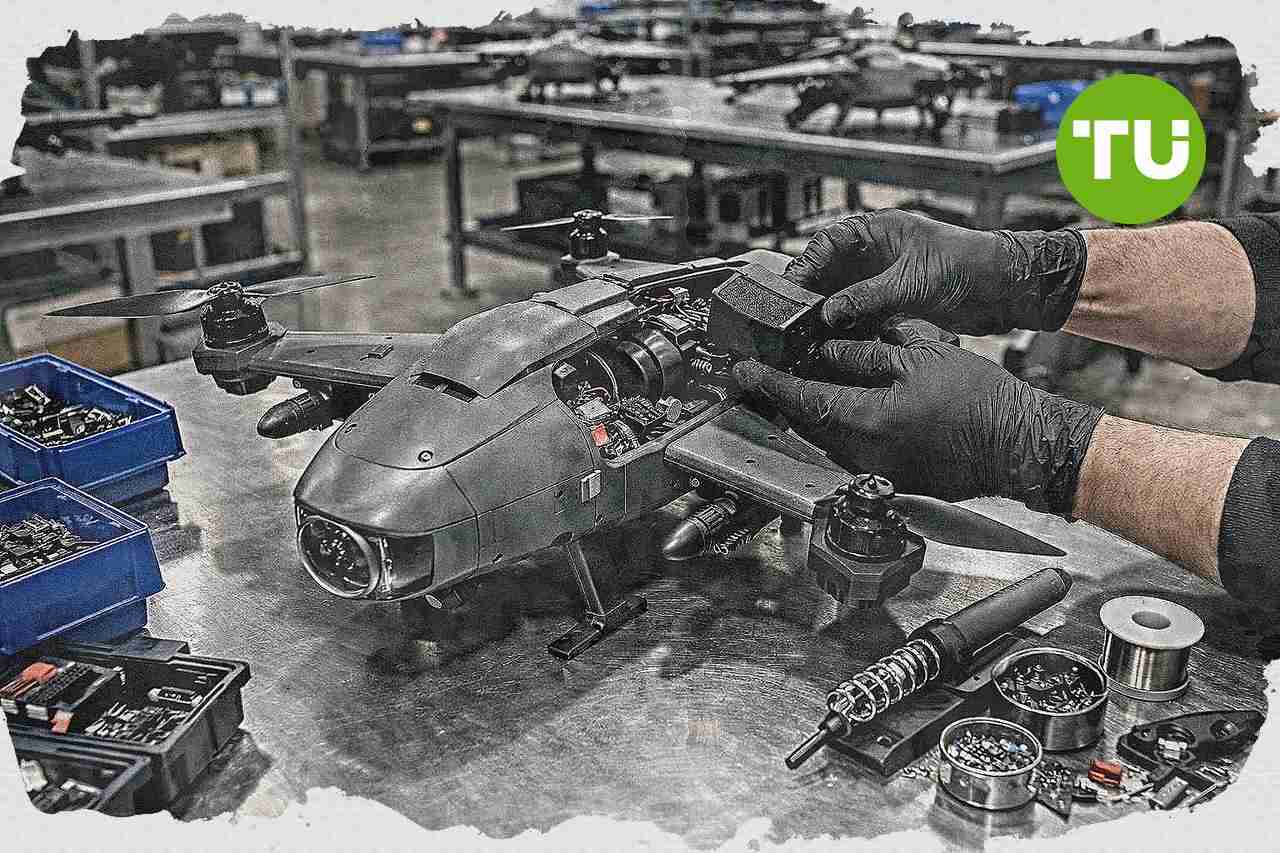
The U.S. defense sector is still in the early stage of building a domestic military drone industry, even as Washington pushes for a more self-reliant supply chain. Pentagon officials say current output remains far below Ukraine's wartime production, while new sourcing rules raise the bar for manufacturers seeking future orders.
Highlights
- Ukraine is set to produce 6–7 million small FPV attack drones in 2024, compared to under 200,000 ordered under the Pentagon's $1.1 billion Drone Dominance Program by February.
- The Pentagon's new supply chain rules from July 23 mandate a wholly domestic sourcing strategy for small unmanned aircraft systems, banning Chinese-made parts like brushless motors and battery packs.
- Six Ukrainian drone firms entering U.S. joint ventures will participate in August's Gauntlet II test, with local production required for future Pentagon contracts.
Production targets and stricter sourcing rules
As reported by Reuters, Travis Metz, deputy director and chief operating officer of the Defense Innovation Unit, says Ukraine is set to produce between 6 million and 7 million small first-person-view attack drones this year, or about 500,000 a month. By comparison, the Pentagon's $1.1 billion Drone Dominance Program will have ordered just under 200,000 drones cumulatively by February.Metz says the U.S. effort remains in its hardest early phase, arguing that reaching the first 200,000 units is more difficult than expanding output after a larger domestic manufacturing base is in place. He also says supply constraints for harder-to-source parts, including semiconductors, remain a broader challenge for the U.S. beyond the drone program itself.
The Pentagon is also tightening procurement standards. A revised supply chain framework released on July 23 states that the government's ultimate objective is a wholly domestic supply chain for small unmanned aircraft systems.
Metz says none of the drones from the 19 companies competing in an August test event may include banned parts such as Chinese-made brushless motors or battery packs. He adds that this is a tougher requirement than in the program's first phase, and estimates that the vast majority of drones bought earlier likely contained Chinese motors.
Ukraine partnerships shape U.S. manufacturing plans
Metz says he still expects the U.S. eventually to match Ukraine's drone industry, citing no structural reason it cannot become a global leader in the segment. The current policy direction aims to turn battlefield know-how from Ukraine into long-term American production capacity rather than continued dependence on imported systems.All six Ukrainian companies invited to next month's Gauntlet II test at Fort Carson, Colorado, have entered or are moving toward joint ventures with U.S. manufacturers, Metz says. He adds that localizing production in the U.S. is a condition for winning future orders.
Among the partnerships already disclosed, Ukrainian company F-Drones is working with Ohio-based Ukrainian Defense Drones, which has opened a facility near Toledo. General Cherry has also agreed to a joint venture with New Hampshire-based Wilcox Industries, according to the companies.
Our earlier coverage of the looming January 2027 restrictions on Chinese-linked critical minerals explained that U.S. defense contractors will be required to halt sourcing rare earths, magnets, and other key inputs from China and several other countries. We noted that domestic mining and processing capacity remains far below demand, making waivers likely and underscoring how difficult it is to build a fully U.S.-based supply chain for strategic technologies.


Latest Supply Chain News







-
 Afghanistan
-
 Albania
-
 Algeria
-
 Angola
-
 Argentina
-
 Armenia
-
 Australia
-
 Austria
-
 Azerbaijan
-
 Bahamas
-
 Bahrain
-
 Bangladesh
-
 Belarus
-
 Belgium
-
 Bolivia
-
 Botswana
-
 Brazil
-
 Brunei
-
 Bulgaria
-
 Cambodia
-
 Cameroon
-
 Canada
-
 Chile
Chile
-
 China
China
-
 Colombia
-
 Congo
Congo
-
 Costa Rica
-
 Cote d'Ivoire
-
 Croatia
-
 Cuba
Cuba
-
 Cyprus
-
 Czechia
-
 DR Congo
-
 Denmark
-
 Dominican Republic
-
 Ecuador
-
 Egypt
Egypt
-
 El Salvador
-
 Estonia
-
 Eswatini
-
 Ethiopia
-
 Finland
-
 France
-
 Georgia
-
 Germany
-
 Ghana
Ghana
-
 Greece
-
 Haiti
Haiti
-
 Hong Kong
-
 Hungary
-
 India
India
-
 Indonesia
-
 Iran, Islamic republic
-
 Iraq
Iraq
-
 Ireland
-
 Israel
-
 Italy
Italy
-
 Jamaica
-
 Japan
Japan
-
 Jordan
-
 Kazakhstan
-
 Kenya
Kenya
-
 Korea
Korea
-
 Kuwait
-
 Kyrgyzstan
-
 Laos
Laos
-
 Latvia
-
 Lebanon
-
 Lesotho
-
 Libya
Libya
-
 Lithuania
-
 Luxembourg
-
 Madagascar
-
 Malaysia
-
 Malta
Malta
-
 Mauritius
-
 Mexico
-
 Moldova
-
 Mongolia
-
 Montenegro
-
 Morocco
-
 Mozambique
-
 Myanmar
-
 Namibia
-
 Nepal
Nepal
-
 Netherlands
-
 New Zealand
-
 Nigeria
-
 North Macedonia
-
 Norway
-
 Oman
Oman
-
 Pakistan
-
 Palestine
-
 Panama
-
 Papua New Guinea
-
 Paraguay
-
 Peru
Peru
-
 Philippines
-
 Poland
-
 Portugal
-
 Puerto Rico
-
 Qatar
Qatar
-
 Reunion
-
 Romania
-
 Rwanda
-
 Saudi Arabia
-
 Serbia
-
 Singapore
-
 Slovakia
-
 Slovenia
-
 Somalia
-
 South Africa
-
 Spain
Spain
-
 Sri Lanka
-
 Sweden
-
 Switzerland
-
 Syria
Syria
-
 Taiwan
-
 Tajikistan
-
 Tanzania
-
 Thailand
-
 Trinidad and Tobago
-
 Tunisia
-
 Turkey
-
 UAE
UAE
-
 Uganda
-
 Ukraine
-
 United Kingdom
-
United States
-
 Uruguay
-
 Uzbekistan
-
 Venezuela
-
 Vietnam
-
 Yemen
Yemen
-
 Zambia
-
 Zimbabwe
- Forex
- Crypto












