

Western critical minerals projects face funding gap as governments seek to curb China’s dominance
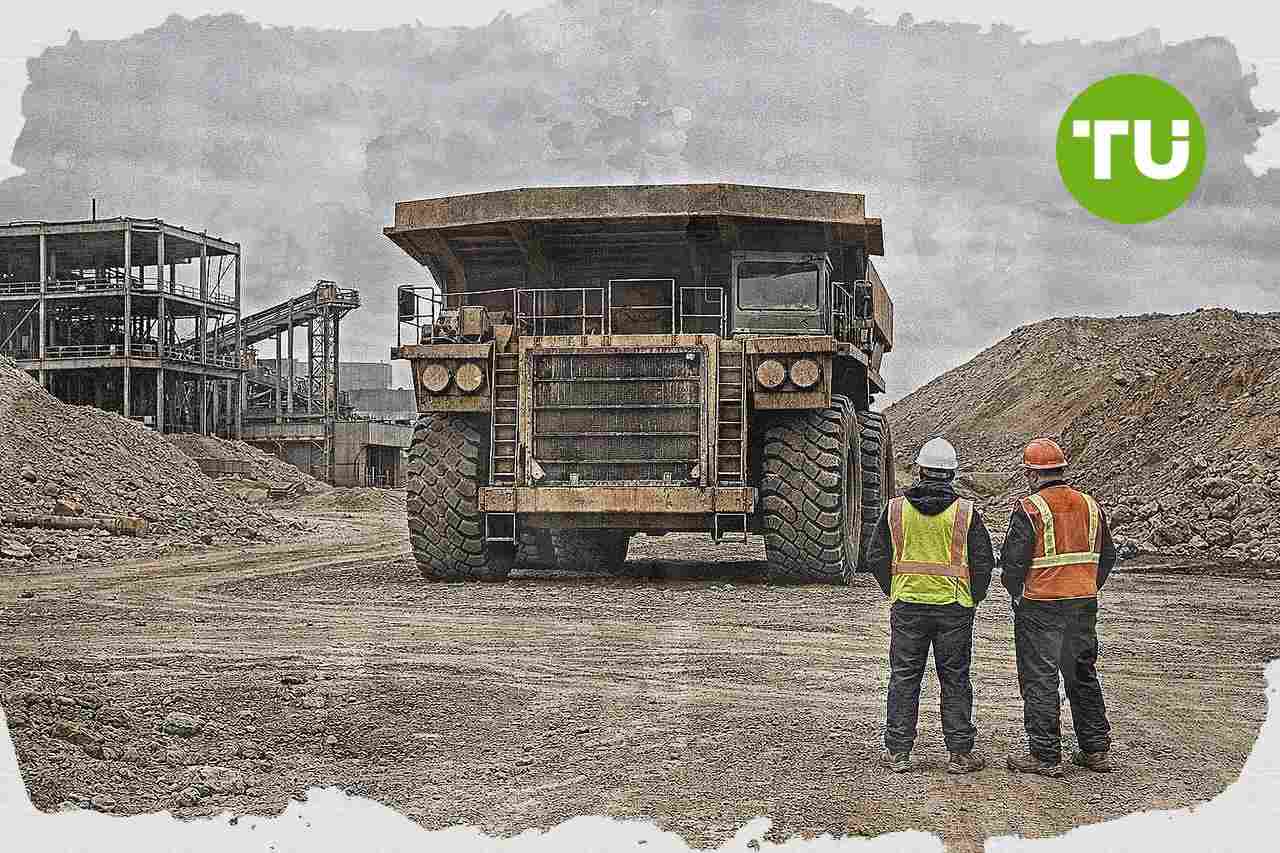
Strategic efforts across the west to build independent critical minerals supply chains are being slowed by a shortage of public financing support. A new report says the bottleneck now lies less in resource availability than in whether state-backed lenders can unlock enough long-term capital to attract private investment.
Highlights
- China controls over 90% of global critical minerals processing and has invested $94 billion in overseas projects between 2001 and 2023.
- The International Energy Agency estimates over $500 billion in critical minerals investment is required to meet western policy goals amid increasing U.S.-China trade tensions.
- Despite recent U.S. measures such as a $150 million loan and $400 million equity in MP Materials and $1.2 billion from the International Development Finance Corporation, public lenders face risk aversion and mandates misaligned with resource security.
Report highlights financing barrier
As reported by Financial Times, citing the SAFE Center for Critical Minerals Strategy, western critical minerals projects are being constrained by a persistent gap in public funding, even as governments treat supply security as a strategic priority. The NGO says these projects often need 20 to 30 years of investment and operating certainty, a condition that private capital is often unwilling to accept without stronger backing from public finance institutions.Abigail Hunter, executive director of the Center for Critical Minerals Strategy, says governments have already spent years agreeing that dependence on critical minerals is a strategic problem. She says the bigger test now is whether public finance institutions can move money quickly enough into mines, processing facilities and developer balance sheets to make a difference.
China controls more than 90% of global processing capacity for rare earths and critical minerals including cobalt, nickel and lithium, materials that are central to battery production and defence manufacturing. Between 2001 and 2023, China invested about $94 billion in overseas critical minerals projects, helping it build a commanding position in refining and processing.
Strategic pressure builds on lenders
The International Energy Agency estimates that more than $500 billion in critical minerals investment is needed to meet western policy goals. Trade tensions between the U.S. and China, along with the Iran war, are increasing the push for self-sufficiency, while China has imposed export restrictions since 2024 on minerals including antimony and tungsten.The U.S. is moving more aggressively in recent years to support the sector through unconventional financing tools. In July 2025, the Defense Department extends a $150 million loan to MP Materials and makes a $400 million equity investment in the rare earths producer, while the administration also establishes price floor and offtake support measures for selected minerals and magnets, including arrangements involving Lynas Rare Earths and a joint venture between MP Materials and Maaden.
The International Development Finance Corporation deploys $1.2 billion of equity financing for critical minerals in 2026. Even so, the report says many export credit agencies and development finance institutions are still operating under mandates designed to promote exports and development rather than resource security.
Milo McBride, a fellow in the sustainability, climate and geopolitics programme at the Carnegie Endowment for International Peace, says public lenders are also under pressure to protect taxpayer money, which makes riskier projects harder to justify. He says the central question is whether public financing should prioritize investment returns or broader national geostrategic interests, and whether those goals can be aligned.
In our earlier coverage of the looming 2027 U.S. restrictions on sourcing key critical minerals from China and other designated countries, we outlined how manufacturers are nearing the deadline without enough domestic mining, refining and magnet capacity. We noted that the supply gap is especially severe in rare earth magnets and other strategic inputs, leaving policymakers reliant on waivers and highlighting how far current capabilities lag national-security sourcing goals.





Latest Supply Chain News




-
 Afghanistan
-
 Albania
-
 Algeria
-
 Angola
-
 Argentina
-
 Armenia
-
 Australia
-
 Austria
-
 Azerbaijan
-
 Bahamas
-
 Bahrain
-
 Bangladesh
-
 Belarus
-
 Belgium
-
 Bolivia
-
 Botswana
-
 Brazil
-
 Brunei
-
 Bulgaria
-
 Cambodia
-
 Cameroon
-
 Canada
-
 Chile
Chile
-
 China
China
-
 Colombia
-
 Congo
Congo
-
 Costa Rica
-
 Cote d'Ivoire
-
 Croatia
-
 Cuba
Cuba
-
 Cyprus
-
 Czechia
-
 DR Congo
-
 Denmark
-
 Dominican Republic
-
 Ecuador
-
 Egypt
Egypt
-
 El Salvador
-
 Estonia
-
 Eswatini
-
 Ethiopia
-
 Finland
-
 France
-
 Georgia
-
 Germany
-
 Ghana
Ghana
-
 Greece
-
 Haiti
Haiti
-
 Hong Kong
-
 Hungary
-
 India
India
-
 Indonesia
-
 Iran, Islamic republic
-
 Iraq
Iraq
-
 Ireland
-
 Israel
-
 Italy
Italy
-
 Jamaica
-
 Japan
Japan
-
 Jordan
-
 Kazakhstan
-
 Kenya
Kenya
-
 Korea
Korea
-
 Kuwait
-
 Kyrgyzstan
-
 Laos
Laos
-
 Latvia
-
 Lebanon
-
 Lesotho
-
 Libya
Libya
-
 Lithuania
-
 Luxembourg
-
 Madagascar
-
 Malaysia
-
 Malta
Malta
-
 Mauritius
-
 Mexico
-
 Moldova
-
 Mongolia
-
 Montenegro
-
 Morocco
-
 Mozambique
-
 Myanmar
-
 Namibia
-
 Nepal
Nepal
-
 Netherlands
-
 New Zealand
-
 Nigeria
-
 North Macedonia
-
 Norway
-
 Oman
Oman
-
 Pakistan
-
 Palestine
-
 Panama
-
 Papua New Guinea
-
 Paraguay
-
 Peru
Peru
-
 Philippines
-
 Poland
-
 Portugal
-
 Puerto Rico
-
 Qatar
Qatar
-
 Reunion
-
 Romania
-
 Rwanda
-
 Saudi Arabia
-
 Serbia
-
 Singapore
-
 Slovakia
-
 Slovenia
-
 Somalia
-
 South Africa
-
 Spain
Spain
-
 Sri Lanka
-
 Sweden
-
 Switzerland
-
 Syria
Syria
-
 Taiwan
-
 Tajikistan
-
 Tanzania
-
 Thailand
-
 Trinidad and Tobago
-
 Tunisia
-
 Turkey
-
 UAE
UAE
-
 Uganda
-
 Ukraine
-
 United Kingdom
-
United States
-
 Uruguay
-
 Uzbekistan
-
 Venezuela
-
 Vietnam
-
 Yemen
Yemen
-
 Zambia
-
 Zimbabwe
- Forex
- Crypto












