

ECB board exit highlights Germany's shifting role in euro policy

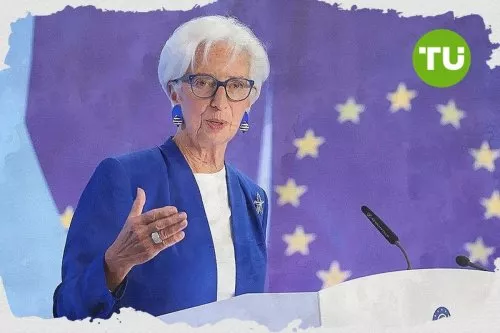
Isabel Schnabel's early departure from the European Central Bank for the International Monetary Fund brings to a close a seven-year effort to align Germany's traditional inflation hawkishness with the ECB's crisis-management mandate. Her exit comes as the central bank faces a new energy-driven inflation shock and rising political pressure across Europe over living costs.
Highlights
- Isabel Schnabel departs the ECB after advocating a pragmatic approach, supporting bond market interventions and early rate hikes during the post-Ukraine inflation surge.
- Schnabel's exit marks the third consecutive German early departure from the ECB Executive Board, highlighting ongoing German-ECB tensions since Otmar Issing's full term in 2006.
- German influence at the ECB has softened under Joachim Nagel, but support for bond-buying faces domestic criticism and political risks from the Alternative for Germany party.
Schnabel's tenure reshapes German influence
As reported by Reuters, Schnabel leaves the ECB after helping redefine how Germany is represented at the euro zone's top monetary institution, departing from the more confrontational stance taken by some of her predecessors.She shares Germany's long-standing aversion to high inflation and is among the first ECB policymakers to recognise in 2022 that the price surge following Russia's invasion of Ukraine would persist, prompting her to push for interest rate increases. But unlike former board members Jürgen Stark and Sabine Lautenschläger, whose departures follow clashes over the ECB's shift away from German monetary orthodoxy, Schnabel emerges as a prominent defender of crisis-fighting tools.
That approach is especially visible in her support for sovereign bond market interventions aimed at preventing financial fragmentation and safeguarding the euro. Her 2022 argument that the ECB's commitment to the single currency has no limits helps pave the way for a bond-buying programme announced that summer, echoing Mario Draghi's earlier pledge to do whatever it takes to preserve the euro.
Policy legacy and political implications
Schnabel becomes the third consecutive German member of the ECB Executive Board to leave before completing a term, extending a pattern that underlines Germany's often uneasy relationship with the institution it hosts in Frankfurt. Former chief economist Otmar Issing, who leaves in 2006, remains the last German on the board to complete a full mandate.The broader German policy backdrop also changes, with the Bundesbank softening since Joachim Nagel succeeds Jens Weidmann, who opposes Draghi's euro-saving bond plan in 2012. That shift does not win universal support, with Brookings Institution senior fellow Robin Brooks arguing that backing bond purchases weakens Germany's position and gives the eurosceptic Alternative for Germany party a potent political issue.
Mainstream economists take a different view, crediting Schnabel with easing years of tension between Germany and the ECB. ING global head of macro Carsten Brzeski says she improves Germany's reputation at and around the central bank by moving away from the dogmatic image associated with several earlier German policymakers.
Our earlier article on Isabel Schnabel’s expected departure from the ECB explained that she was likely to leave before her term ends to take up a senior role at the IMF. We noted that her exit would open an unexpected vacancy on the ECB’s Executive Board and could add uncertainty for markets watching for signals on rates and financial stability.






Latest ECB News




-
 Afghanistan
-
 Albania
-
 Algeria
-
 Angola
-
 Argentina
-
 Armenia
-
 Australia
-
 Austria
-
 Azerbaijan
-
 Bahamas
-
 Bahrain
-
 Bangladesh
-
 Belarus
-
 Belgium
-
 Bolivia
-
 Botswana
-
 Brazil
-
 Brunei
-
 Bulgaria
-
 Cambodia
-
 Cameroon
-
 Canada
-
 Chile
-
 China
-
 Colombia
-
 Congo
-
 Costa Rica
-
 Cote d'Ivoire
-
 Croatia
-
 Cuba
-
 Cyprus
-
 Czechia
-
 DR Congo
-
 Denmark
-
 Dominican Republic
-
 Ecuador
-
 Egypt
-
 El Salvador
-
 Estonia
-
 Eswatini
-
 Ethiopia
-
 Finland
-
 France
-
 Georgia
-
 Germany
-
 Ghana
-
 Greece
-
 Haiti
-
 Hong Kong
-
 Hungary
-
 India
-
 Indonesia
-
 Iran, Islamic republic
-
 Iraq
-
 Ireland
-
 Israel
-
 Italy
-
 Jamaica
-
 Japan
-
 Jordan
-
 Kazakhstan
-
 Kenya
-
 Korea
-
 Kuwait
-
 Kyrgyzstan
-
 Laos
-
 Latvia
-
 Lebanon
-
 Lesotho
-
 Libya
-
 Lithuania
-
 Luxembourg
-
 Madagascar
-
 Malaysia
-
 Malta
-
 Mauritius
-
 Mexico
-
 Moldova
-
 Mongolia
-
 Montenegro
-
 Morocco
-
 Mozambique
-
 Myanmar
-
 Namibia
-
 Nepal
-
 Netherlands
-
 New Zealand
-
 Nigeria
-
 North Macedonia
-
 Norway
-
 Oman
-
 Pakistan
-
 Palestine
-
 Panama
-
 Papua New Guinea
-
 Paraguay
-
 Peru
-
 Philippines
-
 Poland
-
 Portugal
-
 Puerto Rico
-
 Qatar
-
 Reunion
-
 Romania
-
 Rwanda
-
 Saudi Arabia
-
 Serbia
-
 Singapore
-
 Slovakia
-
 Slovenia
-
 Somalia
-
 South Africa
-
 Spain
-
 Sri Lanka
-
 Sweden
-
 Switzerland
-
 Syria
-
 Taiwan
-
 Tajikistan
-
 Tanzania
-
 Thailand
-
 Trinidad and Tobago
-
 Tunisia
-
 Turkey
-
 UAE
-
 Uganda
-
 Ukraine
-
 United Kingdom
-
United States
-
 Uruguay
-
 Uzbekistan
-
 Venezuela
-
 Vietnam
-
 Yemen
-
 Zambia
-
 Zimbabwe
- Forex
- Crypto












