
European Commission tightens energy efficiency measures across EU
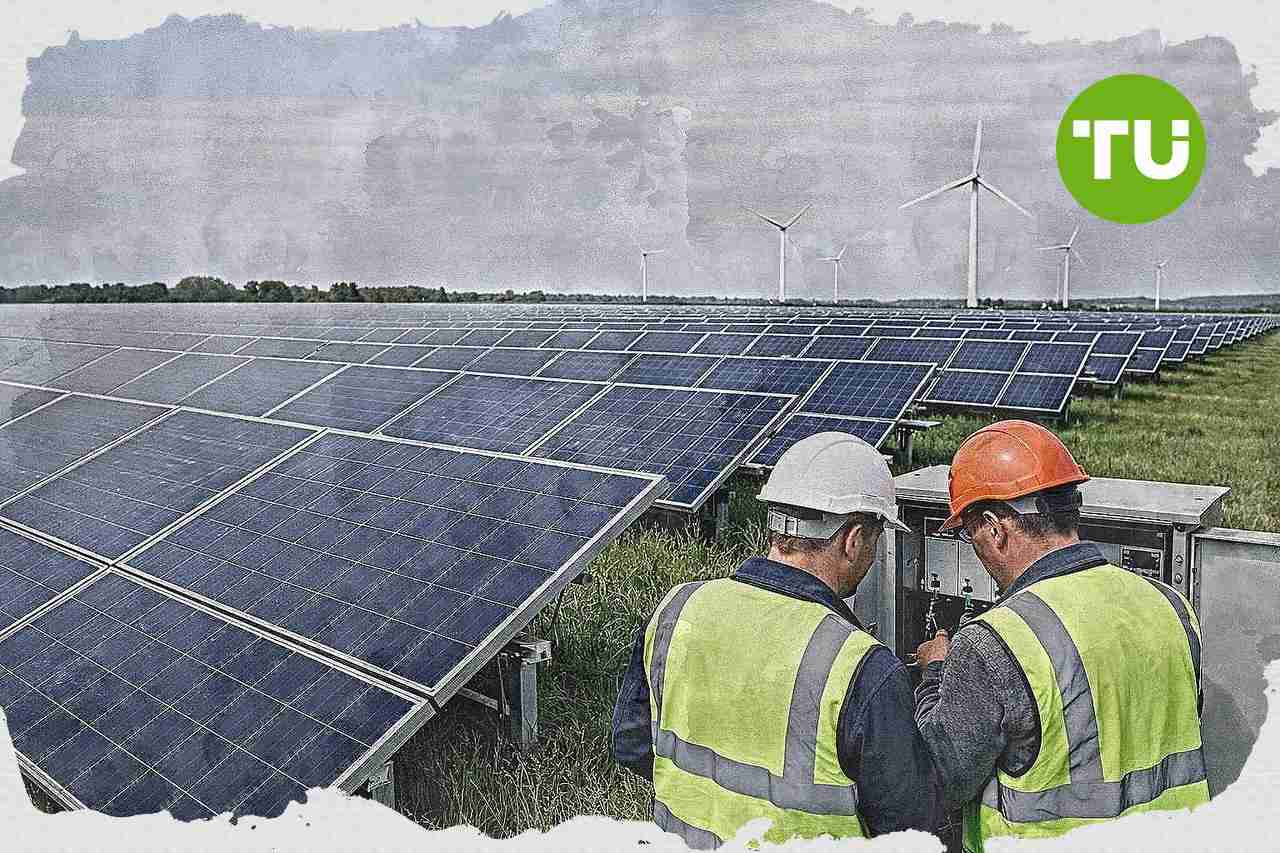
The European Union is advancing stricter energy efficiency steps as it pushes to meet its climate targets and reshape long-term energy use across member states. The measures are designed to support a shift toward renewable energy and cut reliance on fossil fuels, with lower carbon emissions expected by 2030.
Highlights
- European Commission introduces stricter energy efficiency measures to advance EU sustainability and support transition from fossil fuels to renewables.
- New regulations aim to significantly reduce carbon emissions by 2030, aligning member states' energy use with the EU's climate goals.
- Businesses and public authorities face heightened regulatory pressure to enhance energy performance and adapt investment strategies for a low-carbon future.
Energy transition plan and policy focus
As reported by the European Commission, the new measures are intended to improve how efficiently energy is used across the bloc and reinforce the EU's broader sustainability agenda.Officials say the initiative supports the transition to renewable energy sources while reducing dependence on fossil fuels. During a press briefing, the Commissioner for Energy says the actions are essential for both the environment and the economy, adding that the EU is determined to lead the energy transformation.
Implications for emissions and member states
The regulations are expected to help member states curb carbon emissions significantly by 2030, linking national energy use more closely to the EU's climate objectives.For businesses and public authorities, the policy signals continued regulatory pressure to improve energy performance and adapt investment plans to a lower-carbon operating environment across the region.
Our earlier coverage of Britain’s long-duration electricity storage support highlighted the regulator’s provisional backing for 16 projects designed to strengthen grid resilience as renewable generation expands. We noted that the cap-and-floor contract model aims to keep investment viable while helping the system cope with weather-driven demand spikes and periods of low wind or solar output.


Latest EU Sanctions News






-
 Afghanistan
-
 Albania
-
 Algeria
-
 Angola
-
 Argentina
-
 Armenia
-
 Australia
-
 Austria
-
 Azerbaijan
-
 Bahamas
-
 Bahrain
-
 Bangladesh
-
 Belarus
-
 Belgium
-
 Bolivia
-
 Botswana
-
 Brazil
-
 Brunei
-
 Bulgaria
-
 Cambodia
-
 Cameroon
-
 Canada
-
 Chile
Chile
-
 China
China
-
 Colombia
-
 Congo
Congo
-
 Costa Rica
-
 Cote d'Ivoire
-
 Croatia
-
 Cuba
Cuba
-
 Cyprus
-
 Czechia
-
 DR Congo
-
 Denmark
-
 Dominican Republic
-
 Ecuador
-
 Egypt
Egypt
-
 El Salvador
-
 Estonia
-
 Eswatini
-
 Ethiopia
-
 Finland
-
 France
-
 Georgia
-
 Germany
-
 Ghana
Ghana
-
 Greece
-
 Haiti
Haiti
-
 Hong Kong
-
 Hungary
-
 India
India
-
 Indonesia
-
 Iran, Islamic republic
-
 Iraq
Iraq
-
 Ireland
-
 Israel
-
 Italy
Italy
-
 Jamaica
-
 Japan
Japan
-
 Jordan
-
 Kazakhstan
-
 Kenya
Kenya
-
 Korea
Korea
-
 Kuwait
-
 Kyrgyzstan
-
 Laos
Laos
-
 Latvia
-
 Lebanon
-
 Lesotho
-
 Libya
Libya
-
 Lithuania
-
 Luxembourg
-
 Madagascar
-
 Malaysia
-
 Malta
Malta
-
 Mauritius
-
 Mexico
-
 Moldova
-
 Mongolia
-
 Montenegro
-
 Morocco
-
 Mozambique
-
 Myanmar
-
 Namibia
-
 Nepal
Nepal
-
 Netherlands
-
 New Zealand
-
 Nigeria
-
 North Macedonia
-
 Norway
-
 Oman
Oman
-
 Pakistan
-
 Palestine
-
 Panama
-
 Papua New Guinea
-
 Paraguay
-
 Peru
Peru
-
 Philippines
-
 Poland
-
 Portugal
-
 Puerto Rico
-
 Qatar
Qatar
-
 Reunion
-
 Romania
-
 Rwanda
-
 Saudi Arabia
-
 Serbia
-
 Singapore
-
 Slovakia
-
 Slovenia
-
 Somalia
-
 South Africa
-
 Spain
Spain
-
 Sri Lanka
-
 Sweden
-
 Switzerland
-
 Syria
Syria
-
 Taiwan
-
 Tajikistan
-
 Tanzania
-
 Thailand
-
 Trinidad and Tobago
-
 Tunisia
-
 Turkey
-
 UAE
UAE
-
 Uganda
-
 Ukraine
-
 United Kingdom
-
United States
-
 Uruguay
-
 Uzbekistan
-
 Venezuela
-
 Vietnam
-
 Yemen
Yemen
-
 Zambia
-
 Zimbabwe
- Forex
- Crypto











