
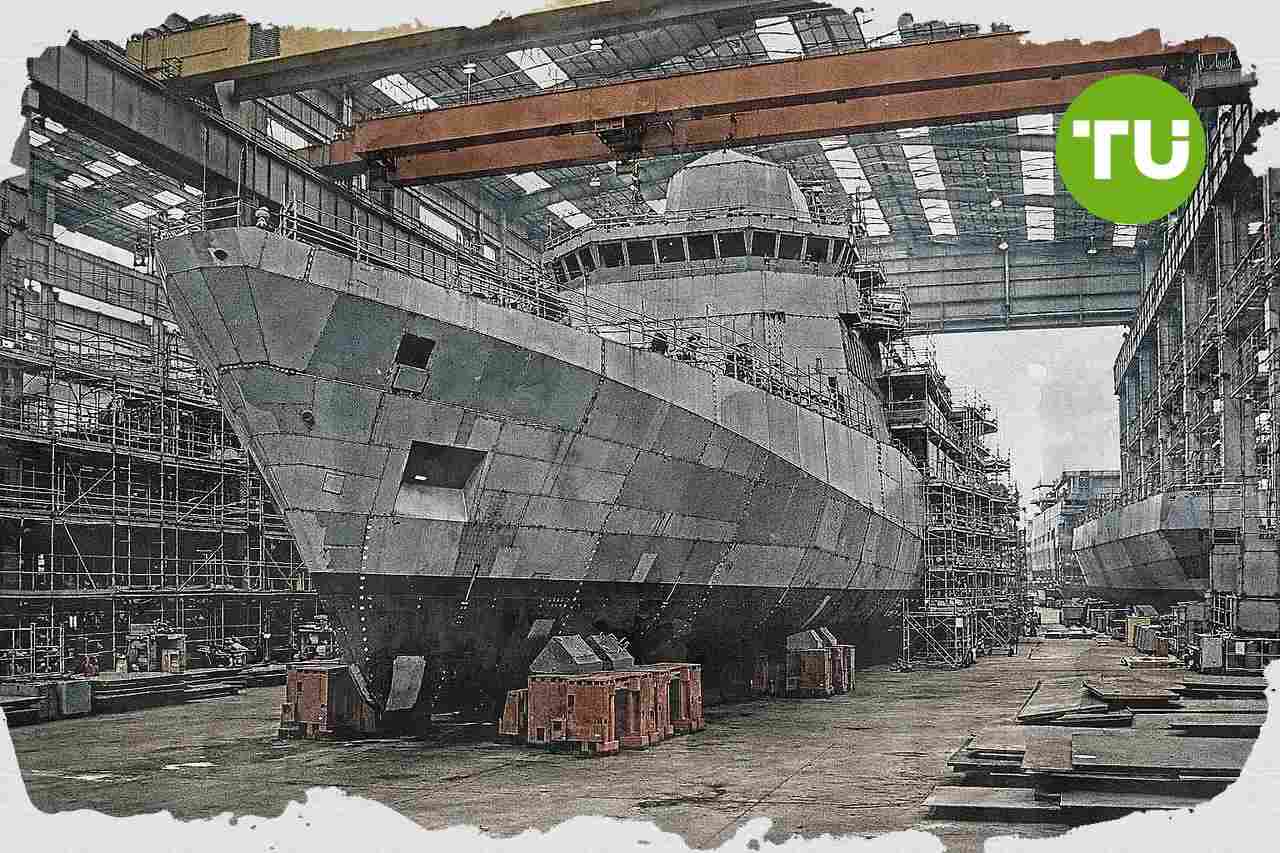
Britain is expanding its maritime air defence programme with plans to build at least six new warships for the Royal Navy under the Defence Investment Plan. The vessels are set to replace the current Type 45 destroyers from the early 2030s and are intended to support long-term work across UK shipyards.
Highlights
- Royal Navy will procure at least six Common Combat Vessels to replace the Type 45 destroyers, with deliveries starting in the early 2030s.
- The Common Combat Vessel will be the UK's first hybrid warship, integrating crewed and uncrewed systems to extend reach, resilience, and firepower with lower crew requirements.
- The programme supports tens of thousands of UK shipyard jobs, underpins British maritime renewal, and strengthens NATO deterrence through Atlantic Bastion, Shield, and Strike initiatives.
Hybrid fleet plan and procurement timeline
As announced by GOV.UK, the Royal Navy will procure at least six Common Combat Vessels as part of a new system designed to replace the existing Type 45 destroyer fleet. The programme forms part of the forthcoming Defence Investment Plan and funds design work through the National Armaments Director Group for a new approach to maritime air defence.The Common Combat Vessel is intended to become the Royal Navy’s first hybrid warship, operating as a control hub for uncrewed systems in the air, on the surface and under the sea. The government says this model extends reach, resilience and firepower without a proportional increase in crew or cost.
The ships are due to replace earlier plans for a Type 83 destroyer and are expected to enter delivery from the early 2030s. Rather than concentrating capability in a small number of larger ships, the plan shifts toward a mix of crewed and uncrewed assets suited to modern warfare.
Shipbuilding impact and wider naval strategy
The programme is expected to sustain jobs and skills across UK shipyards while creating further opportunities for British industry and export partners. The government says defence programmes funded through the Defence Investment Plan are expected to support tens of thousands of new UK jobs.When in service, the Common Combat Vessels will operate alongside eight Type 26 frigates, five Type 31 frigates and several uncrewed platforms, including Type 91 missile platforms, Type 92 underwater sensing platforms, Type 93 extra-large uncrewed underwater vehicles and Type 94 sensor platforms. The plan is presented as a broad renewal of British maritime capability.
Defence Secretary Dan Jarvis says the vessels are designed for rising threats and will be built in Britain with support from domestic innovators. The programme also underpins three Atlantic initiatives, Atlantic Bastion, Atlantic Shield and Atlantic Strike, aimed at countering Russian activity in the North Atlantic and High North, protecting underwater infrastructure and strengthening NATO deterrence.
In our earlier report on Sir Keir Starmer’s final policy push ahead of a planned handover of power, we outlined his intention to secure a Defence Investment Plan featuring a £14.5–£15 billion increase in defence spending before the NATO summit. We also noted how the compressed timetable for major decisions, alongside the wider leadership transition, could shape what gets approved and how quickly new priorities move from announcement to delivery.





Latest Northrop Grumman Corporation News








-
 Afghanistan
-
 Albania
-
 Algeria
-
 Angola
-
 Argentina
-
 Armenia
-
 Australia
-
 Austria
-
 Azerbaijan
-
 Bahamas
-
 Bahrain
-
 Bangladesh
-
 Belarus
-
 Belgium
-
 Bolivia
-
 Botswana
-
 Brazil
-
 Brunei
-
 Bulgaria
-
 Cambodia
-
 Cameroon
-
 Canada
-
 Chile
Chile
-
 China
China
-
 Colombia
-
 Congo
Congo
-
 Costa Rica
-
 Cote d'Ivoire
-
 Croatia
-
 Cuba
Cuba
-
 Cyprus
-
 Czechia
-
 DR Congo
-
 Denmark
-
 Dominican Republic
-
 Ecuador
-
 Egypt
Egypt
-
 El Salvador
-
 Estonia
-
 Eswatini
-
 Ethiopia
-
 Finland
-
 France
-
 Georgia
-
 Germany
-
 Ghana
Ghana
-
 Greece
-
 Haiti
Haiti
-
 Hong Kong
-
 Hungary
-
 India
India
-
 Indonesia
-
 Iran, Islamic republic
-
 Iraq
Iraq
-
 Ireland
-
 Israel
-
 Italy
Italy
-
 Jamaica
-
 Japan
Japan
-
 Jordan
-
 Kazakhstan
-
 Kenya
Kenya
-
 Korea
Korea
-
 Kuwait
-
 Kyrgyzstan
-
 Laos
Laos
-
 Latvia
-
 Lebanon
-
 Lesotho
-
 Libya
Libya
-
 Lithuania
-
 Luxembourg
-
 Madagascar
-
 Malaysia
-
 Malta
Malta
-
 Mauritius
-
 Mexico
-
 Moldova
-
 Mongolia
-
 Montenegro
-
 Morocco
-
 Mozambique
-
 Myanmar
-
 Namibia
-
 Nepal
Nepal
-
 Netherlands
-
 New Zealand
-
 Nigeria
-
 North Macedonia
-
 Norway
-
 Oman
Oman
-
 Pakistan
-
 Palestine
-
 Panama
-
 Papua New Guinea
-
 Paraguay
-
 Peru
Peru
-
 Philippines
-
 Poland
-
 Portugal
-
 Puerto Rico
-
 Qatar
Qatar
-
 Reunion
-
 Romania
-
 Rwanda
-
 Saudi Arabia
-
 Serbia
-
 Singapore
-
 Slovakia
-
 Slovenia
-
 Somalia
-
 South Africa
-
 Spain
Spain
-
 Sri Lanka
-
 Sweden
-
 Switzerland
-
 Syria
Syria
-
 Taiwan
-
 Tajikistan
-
 Tanzania
-
 Thailand
-
 Trinidad and Tobago
-
 Tunisia
-
 Turkey
-
 UAE
UAE
-
 Uganda
-
 Ukraine
-
 United Kingdom
-
United States
-
 Uruguay
-
 Uzbekistan
-
 Venezuela
-
 Vietnam
-
 Yemen
Yemen
-
 Zambia
-
 Zimbabwe
- Forex
- Crypto











