
White House pushes munitions output as U.S. stockpile pressure rises
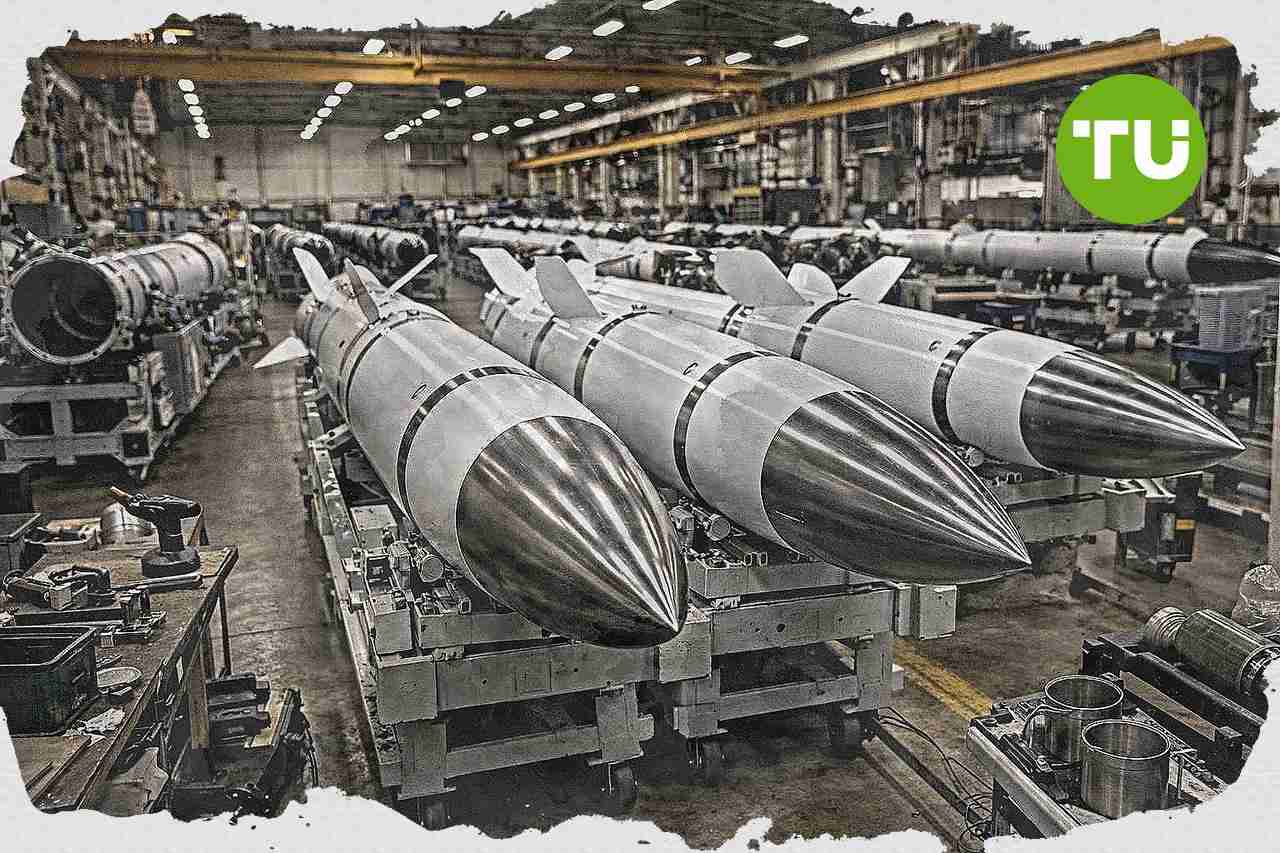
Washington is intensifying efforts to rebuild key weapons inventories as military support for allies and U.S. operations strain munitions stockpiles. Donald Trump is set to meet munitions makers at the White House on Wednesday as the administration seeks faster production of air-defense and precision-guided weapons.
Highlights
- The White House held a second meeting with major defense CEOs to push faster weapons output, focusing on Lockheed Martin's tripling of Patriot and quadrupling of THAAD interceptor production.
- New framework deals with RTX aim to boost Tomahawk and AMRAAM missile production, but final contracts and Congressional funding approvals remain pending.
- The Senate Armed Services Committee approved $1.15 trillion in defense spending and multiyear munitions procurement authority, but full legislative passage and supplemental funding timelines remain uncertain.
Production talks and procurement plans
As reported by Reuters, the White House meeting marks the second gathering with chief executives of major defense companies focused on accelerating weapons production. A March session included leaders and officials from BAE Systems, Lockheed Martin, Northrop Grumman, RTX Corp, Boeing, Honeywell Aerospace and L3Harris Technologies, along with Defense Secretary Pete Hegseth.The administration is pressing contractors to move faster after tentative production agreements reached earlier this year. Those arrangements include a deal with Lockheed Martin to triple production of Patriot interceptors and quadruple output of THAAD interceptors, both used against ballistic missiles.
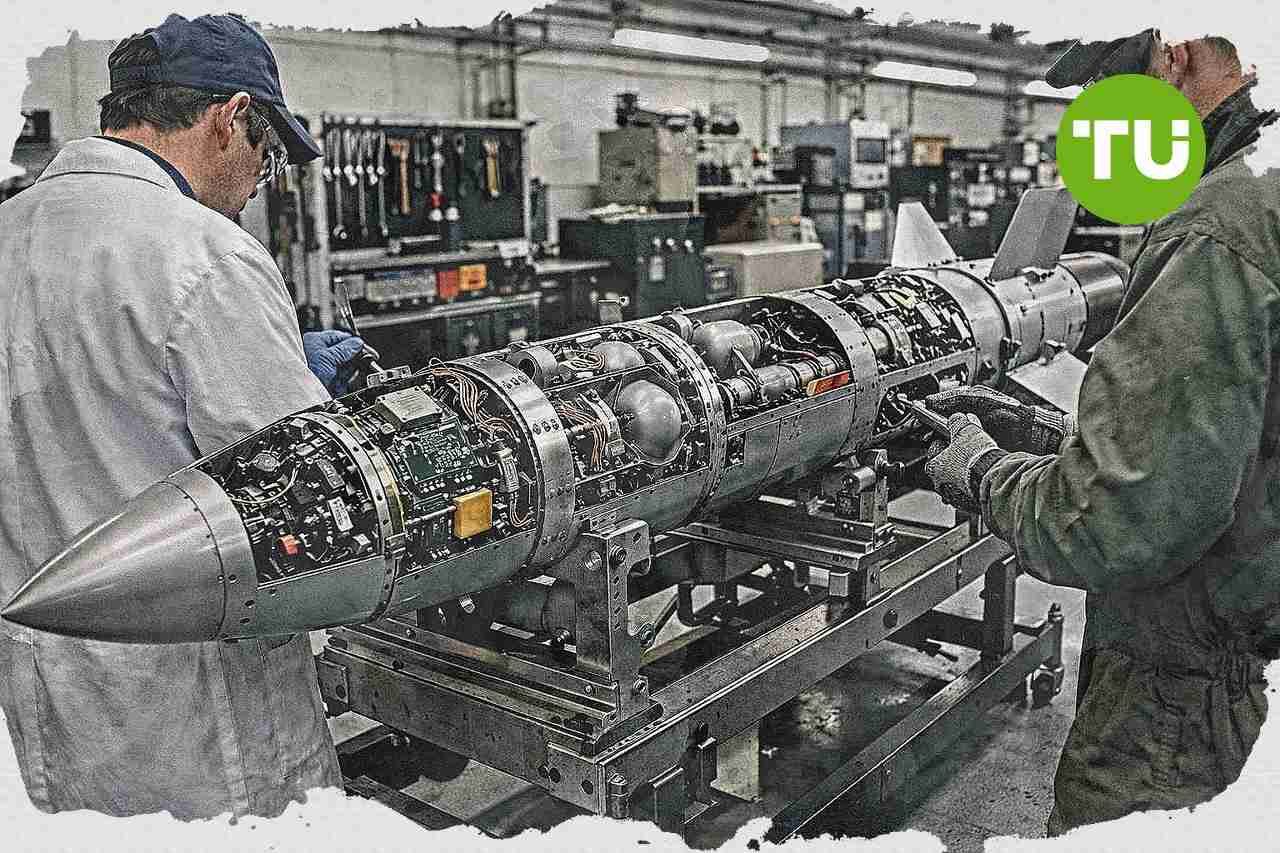
Separate multiyear deals with RTX aim to increase production of Tomahawk cruise missiles and AMRAAM air-to-air missiles. The framework agreements have not yet been converted into contracts.
Funding constraints and defense industry impact
Defense industry executives welcome the agreements, but say companies need Congress to appropriate funding before making heavier investments in components and manufacturing capacity. They say spending ahead of government payments would weigh on free cash flow and could hurt second-half earnings.The administration is also increasing pressure on contractors to prioritize production over shareholder payouts. Trump signed an executive order in January directing the identification of contractors considered to be underperforming on government contracts while still distributing profits to shareholders.
GM Defense and Lockheed have said the U.S. Department of Defense helped facilitate a partnership between the two companies as demand for additional production capacity grows. The Senate Armed Services Committee this month approved its version of the National Defense Authorization Act with total defense spending of $1.15 trillion and multiyear procurement authority for several munitions types, though the bill is not expected to become law until autumn; separate appropriations or supplemental funding could arrive sooner.
Demand for air defense systems is rising across the United States and allied countries amid heightened geopolitical tensions and the conflict in Iran.
In our earlier article, we examined how Washington is trying to rebuild depleted missile stockpiles and speed up weapons production, while also shifting procurement toward faster, lower-cost systems such as drones and cheaper cruise missiles. We noted that this push is running into persistent bottlenecks—from component and rare-earth shortages and workforce gaps to compliance and procurement hurdles—leaving contractors struggling to expand capacity as demand rises.




Latest Northrop Grumman Corporation News








-
 Afghanistan
-
 Albania
-
 Algeria
-
 Angola
-
 Argentina
-
 Armenia
-
 Australia
-
 Austria
-
 Azerbaijan
-
 Bahamas
-
 Bahrain
-
 Bangladesh
-
 Belarus
-
 Belgium
-
 Bolivia
-
 Botswana
-
 Brazil
-
 Brunei
-
 Bulgaria
-
 Cambodia
-
 Cameroon
-
 Canada
-
 Chile
Chile
-
 China
China
-
 Colombia
-
 Congo
Congo
-
 Costa Rica
-
 Cote d'Ivoire
-
 Croatia
-
 Cuba
Cuba
-
 Cyprus
-
 Czechia
-
 DR Congo
-
 Denmark
-
 Dominican Republic
-
 Ecuador
-
 Egypt
Egypt
-
 El Salvador
-
 Estonia
-
 Eswatini
-
 Ethiopia
-
 Finland
-
 France
-
 Georgia
-
 Germany
-
 Ghana
Ghana
-
 Greece
-
 Haiti
Haiti
-
 Hong Kong
-
 Hungary
-
 India
India
-
 Indonesia
-
 Iran, Islamic republic
-
 Iraq
Iraq
-
 Ireland
-
 Israel
-
 Italy
Italy
-
 Jamaica
-
 Japan
Japan
-
 Jordan
-
 Kazakhstan
-
 Kenya
Kenya
-
 Korea
Korea
-
 Kuwait
-
 Kyrgyzstan
-
 Laos
Laos
-
 Latvia
-
 Lebanon
-
 Lesotho
-
 Libya
Libya
-
 Lithuania
-
 Luxembourg
-
 Madagascar
-
 Malaysia
-
 Malta
Malta
-
 Mauritius
-
 Mexico
-
 Moldova
-
 Mongolia
-
 Montenegro
-
 Morocco
-
 Mozambique
-
 Myanmar
-
 Namibia
-
 Nepal
Nepal
-
 Netherlands
-
 New Zealand
-
 Nigeria
-
 North Macedonia
-
 Norway
-
 Oman
Oman
-
 Pakistan
-
 Palestine
-
 Panama
-
 Papua New Guinea
-
 Paraguay
-
 Peru
Peru
-
 Philippines
-
 Poland
-
 Portugal
-
 Puerto Rico
-
 Qatar
Qatar
-
 Reunion
-
 Romania
-
 Rwanda
-
 Saudi Arabia
-
 Serbia
-
 Singapore
-
 Slovakia
-
 Slovenia
-
 Somalia
-
 South Africa
-
 Spain
Spain
-
 Sri Lanka
-
 Sweden
-
 Switzerland
-
 Syria
Syria
-
 Taiwan
-
 Tajikistan
-
 Tanzania
-
 Thailand
-
 Trinidad and Tobago
-
 Tunisia
-
 Turkey
-
 UAE
UAE
-
 Uganda
-
 Ukraine
-
 United Kingdom
-
United States
-
 Uruguay
-
 Uzbekistan
-
 Venezuela
-
 Vietnam
-
 Yemen
Yemen
-
 Zambia
-
 Zimbabwe
- Forex
- Crypto











