
UK Defence Medical names interim chief amid leadership transition
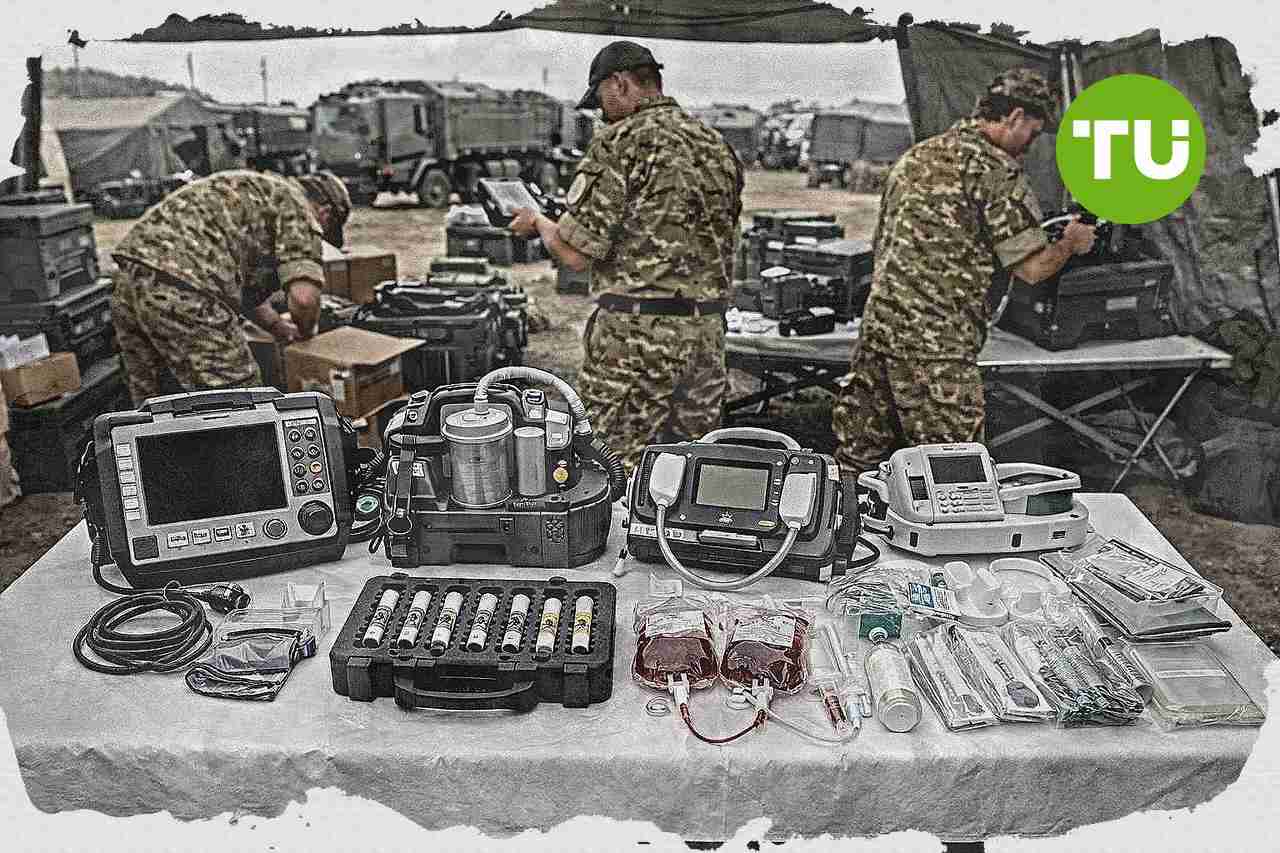
The UK military medical service is changing leadership as it pushes ahead with reforms tied to operational readiness and battlefield care. Major General Phil Carter is set to assume the interim Chief Defence Medical role while remaining Surgeon General, following the retirement of Air Marshal Clare Walton.
Highlights
- Carter appointed interim Chief Defence Medical while retaining the Surgeon General post to ensure operational continuity during Strategic Defence Review implementation.
- UK Defence Investment Plan allocates £50 million to modernise battlefield medical technologies, deployable healthcare, and Tactical Combat Casualty Care equipment to enhance future conflict survivability.
- Defence Medical signs strategic partnership with NHS Blood and Transplant and runs wargames with multiple government departments to strengthen military healthcare response and casualty management.
Interim leadership during defence reforms
As reported by GOV.UK, Carter takes up the post on a temporary basis until a permanent Chief Defence Medical is selected. He continues to serve simultaneously as Surgeon General, a move intended to preserve continuity as Defence Medical advances work linked to the Strategic Defence Review published last year.He says Walton leaves an exceptional legacy, citing her role in steering Defence Medical after the COVID pandemic, supporting Ukraine medically and helping embed military healthcare in wider defence planning. Walton says the organisation has strengthened its role within Defence in recent years and has secured recognition and investment to modernise capabilities and improve support for personnel.
The transition comes as Defence Medical moves to what the government describes as a war fighting footing while maintaining current operations and commitments. Carter says the service is well placed to meet those pressures, pointing to its long-standing ability to work across multidisciplinary teams.
Investment plan shapes capability upgrades
The Defence Investment Plan includes 50 million pounds to modernise the operational patient care pathway, with funding directed toward battlefield medical technologies, deployable healthcare capabilities and other innovations aimed at improving survivability and patient outcomes on future operations.The programme includes support for Tactical Combat Casualty Care equipment, dried blood products, Tranexamic Acid autoinjectors and field hospital capability. The government says those measures are designed to help ensure Defence Medical is equipped for the demands of future conflict.
Alongside equipment and care pathway upgrades, Defence Medical has recently signed a strategic partnership with NHS Blood and Transplant in response to the Strategic Defence Review's call for closer ties with the NHS. It is also running wargames with the Department of Health and Social Care and other government departments to test the UK's capacity to receive military casualties from conflict.
Defence Medical is also working with UK Defence Innovation and the Defence Science and Technology Laboratory to fund academic research into new treatments for conflict-related injuries. Further details on the appointment of a permanent Chief Defence Medical are due later.
Our earlier coverage of the UK’s fragile May GDP reading highlighted how rising energy prices linked to the Iran war are weighing on activity and adding strain to public finances ahead of a change in government leadership. We noted that the modest rebound after April’s contraction still pointed to limited momentum, keeping fiscal resilience and funding priorities in focus.


Latest OFSI News







-
 Afghanistan
-
 Albania
-
 Algeria
-
 Angola
-
 Argentina
-
 Armenia
-
 Australia
-
 Austria
-
 Azerbaijan
-
 Bahamas
-
 Bahrain
-
 Bangladesh
-
 Belarus
-
 Belgium
-
 Bolivia
-
 Botswana
-
 Brazil
-
 Brunei
-
 Bulgaria
-
 Cambodia
-
 Cameroon
-
 Canada
-
 Chile
Chile
-
 China
China
-
 Colombia
-
 Congo
Congo
-
 Costa Rica
-
 Cote d'Ivoire
-
 Croatia
-
 Cuba
Cuba
-
 Cyprus
-
 Czechia
-
 DR Congo
-
 Denmark
-
 Dominican Republic
-
 Ecuador
-
 Egypt
Egypt
-
 El Salvador
-
 Estonia
-
 Eswatini
-
 Ethiopia
-
 Finland
-
 France
-
 Georgia
-
 Germany
-
 Ghana
Ghana
-
 Greece
-
 Haiti
Haiti
-
 Hong Kong
-
 Hungary
-
 India
India
-
 Indonesia
-
 Iran, Islamic republic
-
 Iraq
Iraq
-
 Ireland
-
 Israel
-
 Italy
Italy
-
 Jamaica
-
 Japan
Japan
-
 Jordan
-
 Kazakhstan
-
 Kenya
Kenya
-
 Korea
Korea
-
 Kuwait
-
 Kyrgyzstan
-
 Laos
Laos
-
 Latvia
-
 Lebanon
-
 Lesotho
-
 Libya
Libya
-
 Lithuania
-
 Luxembourg
-
 Madagascar
-
 Malaysia
-
 Malta
Malta
-
 Mauritius
-
 Mexico
-
 Moldova
-
 Mongolia
-
 Montenegro
-
 Morocco
-
 Mozambique
-
 Myanmar
-
 Namibia
-
 Nepal
Nepal
-
 Netherlands
-
 New Zealand
-
 Nigeria
-
 North Macedonia
-
 Norway
-
 Oman
Oman
-
 Pakistan
-
 Palestine
-
 Panama
-
 Papua New Guinea
-
 Paraguay
-
 Peru
Peru
-
 Philippines
-
 Poland
-
 Portugal
-
 Puerto Rico
-
 Qatar
Qatar
-
 Reunion
-
 Romania
-
 Rwanda
-
 Saudi Arabia
-
 Serbia
-
 Singapore
-
 Slovakia
-
 Slovenia
-
 Somalia
-
 South Africa
-
 Spain
Spain
-
 Sri Lanka
-
 Sweden
-
 Switzerland
-
 Syria
Syria
-
 Taiwan
-
 Tajikistan
-
 Tanzania
-
 Thailand
-
 Trinidad and Tobago
-
 Tunisia
-
 Turkey
-
 UAE
UAE
-
 Uganda
-
 Ukraine
-
 United Kingdom
-
United States
-
 Uruguay
-
 Uzbekistan
-
 Venezuela
-
 Vietnam
-
 Yemen
Yemen
-
 Zambia
-
 Zimbabwe
- Forex
- Crypto











