

Trump says Iran war may be nearing its end

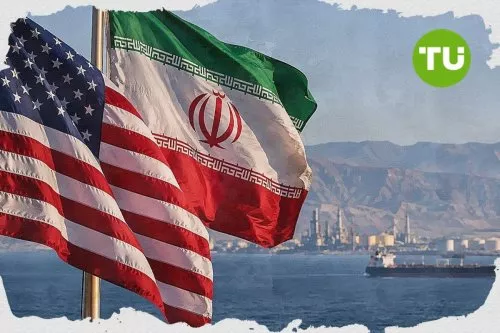
President Donald Trump said he hoped the war with Iran was approaching an end even as the conflict expanded further into Yemen and Saudi Arabia. Renewed Saudi-Houthi fighting and attacks on energy infrastructure are adding another layer of risk to a seven-month war that has already disrupted regional shipping and oil supplies.
Highlights
- Trump says he hopes the Iran war is nearing an end.
- Saudi-Houthi fighting has intensified in Yemen.
- Attacks have disrupted Saudi oil infrastructure.
- Brent fell 1.7% to $104 in early Thursday trade.
Trump said Wednesday that Iran appeared interested in reaching an agreement and indicated that Tehran had contacted Washington directly, Reuters reported. His comments came as Houthi forces launched additional drones and missiles toward Saudi targets, and Saudi-backed forces carried out air strikes against Houthi positions in Yemen.
Fighting spreads across Yemen and Saudi Arabia
The Iran-backed Houthis said they targeted the Saudi Red Sea oil hub of Yanbu and the Khamis Mushait airbase in southern Saudi Arabia. The group also claimed Saudi forces had conducted as many as 450 air strikes in Yemen this week. Officials with Yemen’s Saudi-backed government acknowledged operations against Houthi positions, although Riyadh has not confirmed the reported number of strikes.
Washington has responded to the deteriorating security environment by tightening travel restrictions for Saudi Arabia. U.S. government employees are now prohibited from traveling within 20 miles, or about 30 kilometers, of the Yemeni border.
The escalation follows years of reduced fighting after a ceasefire eased the Saudi-Houthi conflict. Tensions began rising again after the Houthis declared a naval blockade against Saudi Arabia in July and resumed attacks on the kingdom.
Saudi pipeline becomes a critical pressure point
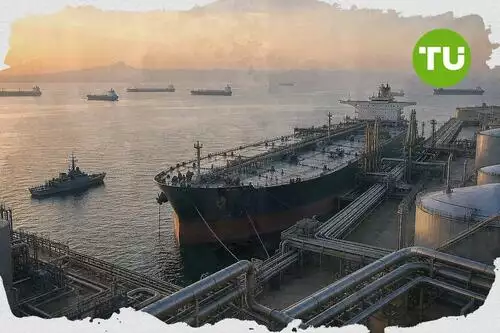
Energy infrastructure has emerged as one of the biggest vulnerabilities. Saudi Arabia’s East-West Pipeline was shut after drone attacks last week, threatening a route that had become increasingly important as disruption affected the Strait of Hormuz, one of the world's most critical maritime energy corridors.
Saudi Aramco is working to bypass the damaged pipeline section and restore roughly half of its capacity within days, based on the material provided. Full capacity could take about six weeks. The pipeline can carry approximately 7 million barrels a day from eastern Saudi Arabia to the Red Sea.
Saudi Arabia has also increased crude sales outside Hormuz, selling about 20 million barrels to Asian refiners for September and October delivery. European buyers, however, have faced delays and have sought replacement cargoes.
Oil remains exposed despite hopes for diplomacy
The expanding Saudi-Houthi confrontation complicates Trump’s suggestion that diplomacy could bring the broader war closer to an end. The reported attacks around Yanbu and the East-West Pipeline expose infrastructure designed to provide Saudi exports with an alternative route during disruptions in the Gulf.
Energy markets, nevertheless, moved lower early Thursday as additional Saudi cargoes offered through Oman eased immediate supply fears. Brent crude futures fell 1.7% to $104 a barrel, while U.S. West Texas Intermediate (WTI) declined 1.3% to $101.
Those declines leave crude above $100 and vulnerable to further military developments. A prolonged Saudi pipeline disruption could put as much as 4% of global oil supply at risk, making progress toward de-escalation increasingly important for both regional security and energy markets.
Earlier, we reported that Houthi attacks increase pressure on Saudi Arabia.









-
 Afghanistan
-
 Albania
-
 Algeria
-
 Angola
-
 Argentina
-
 Armenia
-
 Australia
-
 Austria
-
 Azerbaijan
-
 Bahamas
-
 Bahrain
-
 Bangladesh
-
 Belarus
-
 Belgium
-
 Bolivia
-
 Botswana
-
 Brazil
-
 Brunei
-
 Bulgaria
-
 Cambodia
-
 Cameroon
-
 Canada
-
 Chile
-
 China
-
 Colombia
-
 Congo
-
 Costa Rica
-
 Cote d'Ivoire
-
 Croatia
-
 Cuba
-
 Cyprus
-
 Czechia
-
 DR Congo
-
 Denmark
-
 Dominican Republic
-
 Ecuador
-
 Egypt
-
 El Salvador
-
 Estonia
-
 Eswatini
-
 Ethiopia
-
 Finland
-
 France
-
 Georgia
-
 Germany
-
 Ghana
-
 Greece
-
 Haiti
-
 Hong Kong
-
 Hungary
-
 India
-
 Indonesia
-
 Iran, Islamic republic
-
 Iraq
-
 Ireland
-
 Israel
-
 Italy
-
 Jamaica
-
 Japan
-
 Jordan
-
 Kazakhstan
-
 Kenya
-
 Korea
-
 Kuwait
-
 Kyrgyzstan
-
 Laos
-
 Latvia
-
 Lebanon
-
 Lesotho
-
 Libya
-
 Lithuania
-
 Luxembourg
-
 Madagascar
-
 Malaysia
-
 Malta
-
 Mauritius
-
 Mexico
-
 Moldova
-
 Mongolia
-
 Montenegro
-
 Morocco
-
 Mozambique
-
 Myanmar
-
 Namibia
-
 Nepal
-
 Netherlands
-
 New Zealand
-
 Nigeria
-
 North Macedonia
-
 Norway
-
 Oman
-
 Pakistan
-
 Palestine
-
 Panama
-
 Papua New Guinea
-
 Paraguay
-
 Peru
-
 Philippines
-
 Poland
-
 Portugal
-
 Puerto Rico
-
 Qatar
-
 Reunion
-
 Romania
-
 Rwanda
-
 Saudi Arabia
-
 Serbia
-
 Singapore
-
 Slovakia
-
 Slovenia
-
 Somalia
-
 South Africa
-
 Spain
-
 Sri Lanka
-
 Sweden
-
 Switzerland
-
 Syria
-
 Taiwan
-
 Tajikistan
-
 Tanzania
-
 Thailand
-
 Trinidad and Tobago
-
 Tunisia
-
 Turkey
-
 UAE
-
 Uganda
-
 Ukraine
-
 United Kingdom
-
United States
-
 Uruguay
-
 Uzbekistan
-
 Venezuela
-
 Vietnam
-
 Yemen
-
 Zambia
-
 Zimbabwe
- Forex
- Crypto












