

Oil markets face rising risks as Middle East tensions threaten Hormuz shipping

Saudi-led coalition forces intercepted five drones in Saudi Arabia's Eastern and Madinah regions as fighting intensified in Yemen and attacks on shipping heightened tensions around the Strait of Hormuz. The developments have increased regional security concerns, prompting additional defensive commitments from Britain while diplomatic efforts involving Iran remain stalled.
Highlights
- Saudi-led forces intercept five drones.
- Yemen fighting worsens the humanitarian crisis.
- Hormuz tensions keep oil supply risks elevated.
According to Arab News, coalition forces intercepted the drones in two Saudi regions. The incident followed renewed Houthi attacks in Yemen, although the available information did not establish who launched the intercepted aircraft.
Fighting in Yemen raises humanitarian concerns
Houthi shelling struck a residential area of Taiz on Tuesday, killing two teenage girls and injuring six people. The attack followed a strike on the al-Alam military training camp in Shabwa province, where Yemeni officials reported 73 recruits killed and more than 200 wounded.
U.N. human rights chief Volker Türk warned that the siege of Taiz had severely restricted access to food and essential supplies. Houthi forces have tightened pressure on the city after advancing through surrounding territory and capturing Mokha, a strategically important Red Sea port.
The fighting has intensified since July, when Saudi-backed government forces and coalition partners attacked Houthi-held Sanaa International Airport, disrupting the relative calm established under the 2022 ceasefire. Britain has announced defensive Royal Air Force patrols to protect Saudi airspace, while Egypt is considering additional air defense support, subject to parliamentary approval.
Iran maintains demands as Hormuz attacks continue
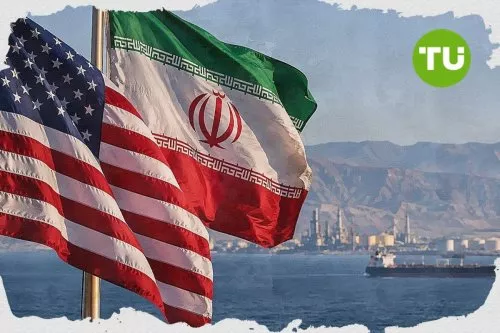
Diplomatic efforts to reduce regional tensions remain uncertain. Iranian officials told Pakistan's army chief, Asim Munir, that Tehran would not resume negotiations with Washington until its conditions were met.
Those demands include lifting sanctions on Iranian oil exports, ending the U.S. blockade of Iranian ports and stopping regional hostilities. Pakistan has been involved in mediation efforts, but earlier attempts to secure a lasting agreement have failed.
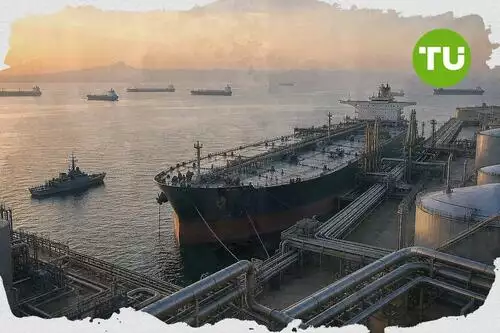
Meanwhile, Iran's Revolutionary Guards claimed naval mines had struck three tankers attempting to cross the Strait of Hormuz. The reported incidents have raised concerns about shipping through a waterway that carried approximately one-fifth of global oil supplies before the conflict.
Oil prices reflect growing regional security risks
Oil prices remained elevated as traders assessed the possibility of further disruption to Middle Eastern energy shipments. Brent crude traded at $110.28 per barrel, up 1.04%, while WTI rose 0.99% to $99.14 per barrel, according to the latest market data provided.
The increases reflect continued concern over maritime security and potential restrictions on crude exports. However, the reported attacks have not established that the region has suffered a corresponding loss of oil production.
The outlook for energy markets remains closely tied to developments in the conflict. Further attacks could complicate shipping and increase transportation costs, while improved security and diplomatic progress could ease some of the pressure on crude prices.
As we previously reported, Houthis expand campaign as attacks raise pressure on Saudi economy.








-
 Afghanistan
-
 Albania
-
 Algeria
-
 Angola
-
 Argentina
-
 Armenia
-
 Australia
-
 Austria
-
 Azerbaijan
-
 Bahamas
-
 Bahrain
-
 Bangladesh
-
 Belarus
-
 Belgium
-
 Bolivia
-
 Botswana
-
 Brazil
-
 Brunei
-
 Bulgaria
-
 Cambodia
-
 Cameroon
-
 Canada
-
 Chile
-
 China
-
 Colombia
-
 Congo
-
 Costa Rica
-
 Cote d'Ivoire
-
 Croatia
-
 Cuba
-
 Cyprus
-
 Czechia
-
 DR Congo
-
 Denmark
-
 Dominican Republic
-
 Ecuador
-
 Egypt
-
 El Salvador
-
 Estonia
-
 Eswatini
-
 Ethiopia
-
 Finland
-
 France
-
 Georgia
-
 Germany
-
 Ghana
-
 Greece
-
 Haiti
-
 Hong Kong
-
 Hungary
-
 India
-
 Indonesia
-
 Iran, Islamic republic
-
 Iraq
-
 Ireland
-
 Israel
-
 Italy
-
 Jamaica
-
 Japan
-
 Jordan
-
 Kazakhstan
-
 Kenya
-
 Korea
-
 Kuwait
-
 Kyrgyzstan
-
 Laos
-
 Latvia
-
 Lebanon
-
 Lesotho
-
 Libya
-
 Lithuania
-
 Luxembourg
-
 Madagascar
-
 Malaysia
-
 Malta
-
 Mauritius
-
 Mexico
-
 Moldova
-
 Mongolia
-
 Montenegro
-
 Morocco
-
 Mozambique
-
 Myanmar
-
 Namibia
-
 Nepal
-
 Netherlands
-
 New Zealand
-
 Nigeria
-
 North Macedonia
-
 Norway
-
 Oman
-
 Pakistan
-
 Palestine
-
 Panama
-
 Papua New Guinea
-
 Paraguay
-
 Peru
-
 Philippines
-
 Poland
-
 Portugal
-
 Puerto Rico
-
 Qatar
-
 Reunion
-
 Romania
-
 Rwanda
-
 Saudi Arabia
-
 Serbia
-
 Singapore
-
 Slovakia
-
 Slovenia
-
 Somalia
-
 South Africa
-
 Spain
-
 Sri Lanka
-
 Sweden
-
 Switzerland
-
 Syria
-
 Taiwan
-
 Tajikistan
-
 Tanzania
-
 Thailand
-
 Trinidad and Tobago
-
 Tunisia
-
 Turkey
-
 UAE
-
 Uganda
-
 Ukraine
-
 United Kingdom
-
United States
-
 Uruguay
-
 Uzbekistan
-
 Venezuela
-
 Vietnam
-
 Yemen
-
 Zambia
-
 Zimbabwe
- Forex
- Crypto












