

U.S. says only older chips should be sold to China amid talks on broader deal

Washington is tightening its stance on semiconductor trade with China as the Trump administration signals it wants only older-generation chips to reach the Chinese market. The position comes days after the administration says it will further restrict China's access to advanced AI chips from companies such as Nvidia.
Highlights
- President Trump states the U.S. wants only older semiconductors sold to China, emphasizing possible restriction of chip sales by U.S. firms.
- Talks with China are underway for a comprehensive agreement regarding chip exports, but no specific details or timelines have been disclosed.
- The U.S. administration announced further restrictions on advanced AI chip sales to China, targeting companies like Nvidia, intensifying pressure on the semiconductor sector.
Chip policy stance after Asia trip
As reported by Reuters, President Donald Trump says the U.S. wants only older chips to be sold to China and adds that his administration is discussing a comprehensive agreement with Beijing, though he does not provide further details.Speaking to reporters at a press conference after his trip to Asia on Friday, Trump says the U.S. would not object if no chips were sold at all, but that any sales should be limited to older technology. He also says China already makes chips and could expand its own production if barred from buying them from U.S. suppliers.
Implications for U.S. chip controls
The remarks follow questions about whether Trump is considering easing export bans on chips to China after meeting Chinese President Xi Jinping. In response, he says the two sides are talking about a very comprehensive deal.Earlier in the week, on Monday, the administration says it will further restrict China's access to advanced AI chips from companies including Nvidia. That keeps pressure on a key part of the semiconductor sector while leaving open the possibility of broader negotiations with China.
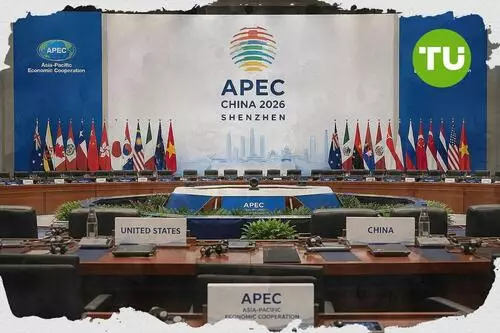
As a reminder, our APEC trade disputes coverage noted the summit ended with U.S.-China tensions over tariffs and technology controls unresolved.






Latest Trade Deals News




-
 Afghanistan
-
 Albania
-
 Algeria
-
 Angola
-
 Argentina
-
 Armenia
-
 Australia
-
 Austria
-
 Azerbaijan
-
 Bahamas
-
 Bahrain
-
 Bangladesh
-
 Belarus
-
 Belgium
-
 Bolivia
-
 Botswana
-
 Brazil
-
 Brunei
-
 Bulgaria
-
 Cambodia
-
 Cameroon
-
 Canada
-
 Chile
-
 China
-
 Colombia
-
 Congo
-
 Costa Rica
-
 Cote d'Ivoire
-
 Croatia
-
 Cuba
-
 Cyprus
-
 Czechia
-
 DR Congo
-
 Denmark
-
 Dominican Republic
-
 Ecuador
-
 Egypt
-
 El Salvador
-
 Estonia
-
 Eswatini
-
 Ethiopia
-
 Finland
-
 France
-
 Georgia
-
 Germany
-
 Ghana
-
 Greece
-
 Haiti
-
 Hong Kong
-
 Hungary
-
 India
-
 Indonesia
-
 Iran, Islamic republic
-
 Iraq
-
 Ireland
-
 Israel
-
 Italy
-
 Jamaica
-
 Japan
-
 Jordan
-
 Kazakhstan
-
 Kenya
-
 Korea
-
 Kuwait
-
 Kyrgyzstan
-
 Laos
-
 Latvia
-
 Lebanon
-
 Lesotho
-
 Libya
-
 Lithuania
-
 Luxembourg
-
 Madagascar
-
 Malaysia
-
 Malta
-
 Mauritius
-
 Mexico
-
 Moldova
-
 Mongolia
-
 Montenegro
-
 Morocco
-
 Mozambique
-
 Myanmar
-
 Namibia
-
 Nepal
-
 Netherlands
-
 New Zealand
-
 Nigeria
-
 North Macedonia
-
 Norway
-
 Oman
-
 Pakistan
-
 Palestine
-
 Panama
-
 Papua New Guinea
-
 Paraguay
-
 Peru
-
 Philippines
-
 Poland
-
 Portugal
-
 Puerto Rico
-
 Qatar
-
 Reunion
-
 Romania
-
 Rwanda
-
 Saudi Arabia
-
 Serbia
-
 Singapore
-
 Slovakia
-
 Slovenia
-
 Somalia
-
 South Africa
-
 Spain
-
 Sri Lanka
-
 Sweden
-
 Switzerland
-
 Syria
-
 Taiwan
-
 Tajikistan
-
 Tanzania
-
 Thailand
-
 Trinidad and Tobago
-
 Tunisia
-
 Turkey
-
 UAE
-
 Uganda
-
 Ukraine
-
 United Kingdom
-
United States
-
 Uruguay
-
 Uzbekistan
-
 Venezuela
-
 Vietnam
-
 Yemen
-
 Zambia
-
 Zimbabwe
- Forex
- Crypto












