
China missile test signals three-way nuclear arms race risk
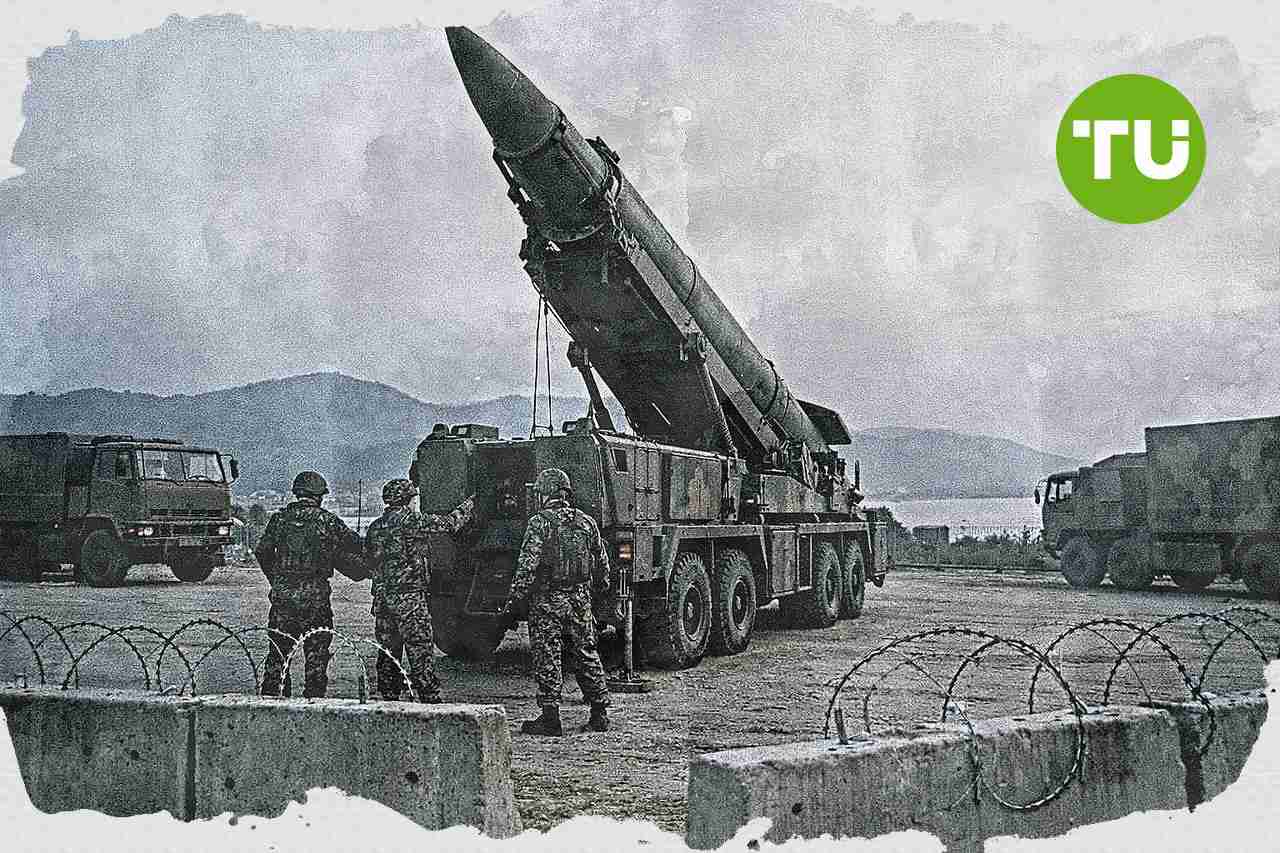
The global nuclear balance is becoming more unstable as China expands its strategic arsenal alongside the U.S. and Russia. Beijing's recent submarine-launched ballistic missile test in the Pacific underscores how the erosion of older arms control arrangements is raising proliferation risks beyond the three largest powers.
Highlights
- China's long-range missile test across the Pacific signals rapid expansion of its nuclear arsenal toward all three delivery platforms, challenging the U.S.-Russia-dominated balance.
- Projected growth of China's warheads from about 620 to 1,000 by 2030, plus closer Sino-Russian ties, may drive the U.S. and Russia to deploy more of their excess reserves and accelerate global proliferation risks.
- Strategic stability now hinges on reinstating the New Start treaty and establishing broader, inclusive arms-control negotiations with China to avoid an escalating three-way arms race.
China build-up sharpens strategic competition
As reported by Financial Times, China's long-range missile test across the Pacific marks a further sign that a three-sided nuclear competition is taking shape after decades in which the U.S. and the Soviet Union, and later Russia, dominated the balance.Beijing had long been seen as maintaining a more limited nuclear deterrent, but the launch highlights the expansion of its arsenal and its progress toward a full triad of land, air and submarine-based weapons. The test also demonstrates China's ability to project power across the Pacific and threaten U.S. targets from positions closer to its own coastline.
China appears to view a stronger nuclear deterrent as part of its superpower ambitions, while also responding to the breakdown of the Cold War-era arms control structure. The 2010 New Start treaty between the U.S. and Russia, which capped deployed strategic warheads at 1,550 each, lapses this year, and Beijing also sees U.S. missile defense systems as a challenge to the strategic balance.
Arms control vacuum raises wider proliferation risks
A three-way arms race is more unstable than the earlier two-power model, especially as Russia and China maintain increasingly close ties. With China's warhead total projected to rise from about 620 now to 1,000 by 2030, U.S. planners worry that a combined Chinese-Russian arsenal could outmatch American forces, increasing pressure on Washington to deploy more of the roughly 1,900 warheads it keeps in reserve.That dynamic could in turn push Russia, which reportedly holds around 2,600 stored warheads, to follow the same path. If the U.S., Russia and China all expand deployed arsenals, other countries in Europe and Asia may also feel compelled to enlarge or develop their own nuclear capabilities amid concerns shaped by the wars in Ukraine and Iran, uncertainty over U.S. extended deterrence and Vladimir Putin's nuclear threats.
The article argues that restoring strategic stability begins with Moscow and Washington reinstating New Start while pursuing a broader agreement that includes China. But bringing Beijing into talks may require the U.S. to soften its insistence on strictly symmetrical limits focused only on warheads, while China also has an incentive to join negotiations if it wants to avoid an expensive cycle of matching larger U.S. deployments and to reinforce its claim of acting as a responsible power.
In our earlier article on the bipartisan push in Washington to tighten Russia sanctions, we reported that U.S. senators reached an agreement with the Trump administration to advance updated legislation aimed at Russia’s energy revenues. We noted that the proposal would penalize buyers of Russian oil and natural gas, as lawmakers seek to raise the economic cost of financing Moscow’s war in Ukraine.








-
 Afghanistan
-
 Albania
-
 Algeria
-
 Angola
-
 Argentina
-
 Armenia
-
 Australia
-
 Austria
-
 Azerbaijan
-
 Bahamas
-
 Bahrain
-
 Bangladesh
-
 Belarus
-
 Belgium
-
 Bolivia
-
 Botswana
-
 Brazil
-
 Brunei
-
 Bulgaria
-
 Cambodia
-
 Cameroon
-
 Canada
-
 Chile
Chile
-
 China
China
-
 Colombia
-
 Congo
Congo
-
 Costa Rica
-
 Cote d'Ivoire
-
 Croatia
-
 Cuba
Cuba
-
 Cyprus
-
 Czechia
-
 DR Congo
-
 Denmark
-
 Dominican Republic
-
 Ecuador
-
 Egypt
Egypt
-
 El Salvador
-
 Estonia
-
 Eswatini
-
 Ethiopia
-
 Finland
-
 France
-
 Georgia
-
 Germany
-
 Ghana
Ghana
-
 Greece
-
 Haiti
Haiti
-
 Hong Kong
-
 Hungary
-
 India
India
-
 Indonesia
-
 Iran, Islamic republic
-
 Iraq
Iraq
-
 Ireland
-
 Israel
-
 Italy
Italy
-
 Jamaica
-
 Japan
Japan
-
 Jordan
-
 Kazakhstan
-
 Kenya
Kenya
-
 Korea
Korea
-
 Kuwait
-
 Kyrgyzstan
-
 Laos
Laos
-
 Latvia
-
 Lebanon
-
 Lesotho
-
 Libya
Libya
-
 Lithuania
-
 Luxembourg
-
 Madagascar
-
 Malaysia
-
 Malta
Malta
-
 Mauritius
-
 Mexico
-
 Moldova
-
 Mongolia
-
 Montenegro
-
 Morocco
-
 Mozambique
-
 Myanmar
-
 Namibia
-
 Nepal
Nepal
-
 Netherlands
-
 New Zealand
-
 Nigeria
-
 North Macedonia
-
 Norway
-
 Oman
Oman
-
 Pakistan
-
 Palestine
-
 Panama
-
 Papua New Guinea
-
 Paraguay
-
 Peru
Peru
-
 Philippines
-
 Poland
-
 Portugal
-
 Puerto Rico
-
 Qatar
Qatar
-
 Reunion
-
 Romania
-
 Rwanda
-
 Saudi Arabia
-
 Serbia
-
 Singapore
-
 Slovakia
-
 Slovenia
-
 Somalia
-
 South Africa
-
 Spain
Spain
-
 Sri Lanka
-
 Sweden
-
 Switzerland
-
 Syria
Syria
-
 Taiwan
-
 Tajikistan
-
 Tanzania
-
 Thailand
-
 Trinidad and Tobago
-
 Tunisia
-
 Turkey
-
 UAE
UAE
-
 Uganda
-
 Ukraine
-
 United Kingdom
-
United States
-
 Uruguay
-
 Uzbekistan
-
 Venezuela
-
 Vietnam
-
 Yemen
Yemen
-
 Zambia
-
 Zimbabwe
- Forex
- Crypto











