

Rolls-Royce reclaims GBX 1,510 as £125M agreement strengthens supply chain

Rolls-Royce has moved back above GBX 1,510 following its recent correction, although buyers still need to confirm the breakout. Meanwhile, a new long-term aerospace supply-chain agreement provides additional fundamental support.
Sigma Advanced Systems announced a new long-term agreement with Rolls-Royce Aerospace UK worth nearly £125 million. The contract was secured through its UK subsidiary Bromford Precision Solutions and expands the companies’ cooperation in the production of aerospace engine components.
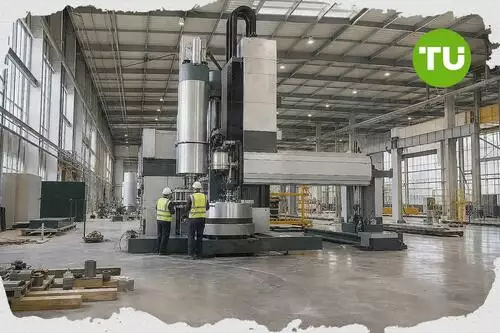
The agreement covers the manufacture of aero-engine rings, casings, lock plates and other critical engine components at facilities in the UK and India. Together with an earlier contract worth roughly £300 million, the two agreements with Sigma now total around £425 million, creating a dual-source manufacturing model for Rolls-Royce.

GBX 1,510 becomes the key level
RR shares have moved back above the GBX 1,510 level highlighted earlier, playing out the alternative scenario from the previous analysis.
To validate the move, buyers need to keep the shares above GBX 1,510 for several more trading sessions. If they succeed, the next key resistance will be the record high at GBX 1,586.
A decisive break and sustained move above the record high would once again open the way toward the medium-term target zone at GBX 1,600–1,650.
The bearish scenario would return to focus if the shares fall back below GBX 1,510. In that case, the next major target would be the 50-day SMA near GBX 1,456.
Rolls-Royce strengthens production as demand stays high
After Rolls-Royce’s strong rally, investors are becoming more demanding when it comes to evidence of operational progress. The new £125 million agreement shows that the company continues to strengthen its manufacturing base and diversify the supply of critical components.
This becomes increasingly important as Rolls-Royce moves into the next stage of growth, where execution will depend not only on strong engine demand but also on the company’s ability to scale production without creating new supply-chain bottlenecks.









-
 Afghanistan
-
 Albania
-
 Algeria
-
 Angola
-
 Argentina
-
 Armenia
-
 Australia
-
 Austria
-
 Azerbaijan
-
 Bahamas
-
 Bahrain
-
 Bangladesh
-
 Belarus
-
 Belgium
-
 Bolivia
-
 Botswana
-
 Brazil
-
 Brunei
-
 Bulgaria
-
 Cambodia
-
 Cameroon
-
 Canada
-
 Chile
-
 China
-
 Colombia
-
 Congo
-
 Costa Rica
-
 Cote d'Ivoire
-
 Croatia
-
 Cuba
-
 Cyprus
-
 Czechia
-
 DR Congo
-
 Denmark
-
 Dominican Republic
-
 Ecuador
-
 Egypt
-
 El Salvador
-
 Estonia
-
 Eswatini
-
 Ethiopia
-
 Finland
-
 France
-
 Georgia
-
 Germany
-
 Ghana
-
 Greece
-
 Haiti
-
 Hong Kong
-
 Hungary
-
 India
-
 Indonesia
-
 Iran, Islamic republic
-
 Iraq
-
 Ireland
-
 Israel
-
 Italy
-
 Jamaica
-
 Japan
-
 Jordan
-
 Kazakhstan
-
 Kenya
-
 Korea
-
 Kuwait
-
 Kyrgyzstan
-
 Laos
-
 Latvia
-
 Lebanon
-
 Lesotho
-
 Libya
-
 Lithuania
-
 Luxembourg
-
 Madagascar
-
 Malaysia
-
 Malta
-
 Mauritius
-
 Mexico
-
 Moldova
-
 Mongolia
-
 Montenegro
-
 Morocco
-
 Mozambique
-
 Myanmar
-
 Namibia
-
 Nepal
-
 Netherlands
-
 New Zealand
-
 Nigeria
-
 North Macedonia
-
 Norway
-
 Oman
-
 Pakistan
-
 Palestine
-
 Panama
-
 Papua New Guinea
-
 Paraguay
-
 Peru
-
 Philippines
-
 Poland
-
 Portugal
-
 Puerto Rico
-
 Qatar
-
 Reunion
-
 Romania
-
 Rwanda
-
 Saudi Arabia
-
 Serbia
-
 Singapore
-
 Slovakia
-
 Slovenia
-
 Somalia
-
 South Africa
-
 Spain
-
 Sri Lanka
-
 Sweden
-
 Switzerland
-
 Syria
-
 Taiwan
-
 Tajikistan
-
 Tanzania
-
 Thailand
-
 Trinidad and Tobago
-
 Tunisia
-
 Turkey
-
 UAE
-
 Uganda
-
 Ukraine
-
 United Kingdom
-
United States
-
 Uruguay
-
 Uzbekistan
-
 Venezuela
-
 Vietnam
-
 Yemen
-
 Zambia
-
 Zimbabwe
- Forex
- Crypto












