
Michael Burry Biography, Career, Net Worth, and Key Insight


Michael Burry’s Profile Summary
|
Company
|
Scion Asset Management |
|---|---|
|
Position
|
Michael Burry is the founder and portfolio manager of Scion Asset Management. |
|
Source of wealth
|
Management and performance fees from Scion Asset Management, profits from shorting the U.S. housing market during the 2008 financial crisis, personal investments. |
|
Also known as
|
Financial commentator, physician, social media influencer. |
|
Age
|
55 |
|
Education
|
Vanderbilt University School of Medicine – M.D., University of California, Los Angeles (UCLA) – B.A. in Economics and Pre-med. |
|
Citizenship
|
United States |
|
Residence
|
Saratoga, California, United States |
|
Family
|
Michael Burry is married and has at least one child, a son. |
|
Website, Social Media
|
https://www.scionasset.com/ |
Biography
Michael Burry is an American investor and hedge fund manager best known for his prescient bet against the U.S. housing market before the 2008 financial crisis. Born in 1971, Burry initially pursued a medical career and earned an M.D. from the Vanderbilt University School of Medicine, though he shifted his focus to finance while still practicing medicine. In 2000, he founded Scion Capital, where he developed a reputation for his deep, value-oriented investment style. His successful shorting of mortgage-backed securities leading up to the subprime crisis was chronicled in Michael Lewis's book The Big Short, as well as the 2015 film adaptation where his character was portrayed by Christian Bale. Following the 2008 crisis, Burry returned investor capital and closed Scion Capital, later founding Scion Asset Management in 2013. While he remains a prominent figure in finance, known for his contrarian viewpoints and timely predictions, Burry continues to be a somewhat private figure, often expressing his financial insights through public channels like Twitter. His investment strategies typically focus on macroeconomic trends and underappreciated value opportunities.-
How did Michael Burry make money?
Michael Burry makes money in the following areas:
Management and performance fees from Scion Asset Management, profits from shorting the U.S. housing market during the 2008 financial crisis, personal investments.
-
What is Michael Burry net worth?
As of 2026, Michael Burry’s net worth is estimated to be $300M.
What is Michael Burry also known as?
Michael Burry is known for his active commentary on financial markets and economic trends, often expressing his views through platforms like Twitter. His bold, often contrarian opinions on global economic matters have garnered attention from both investors and the general public. Before transitioning to finance, Burry was a trained physician, having earned an M.D. from Vanderbilt University. Though he never practiced medicine extensively, his medical background is often highlighted as part of his diverse professional experience. Burry is also known for his significant influence on social media, where his financial forecasts and insights are widely discussed and followed.Prominent achievements
Michael Burry is best known for successfully predicting and profiting from the U.S. housing market collapse in 2008, a move that was highlighted in The Big Short. His Scion Capital fund delivered significant returns during the financial crisis. Burry's work was further popularized by the portrayal of his life in the 2015 film The Big Short. His influence as a financial commentator and his unconventional strategies have also gained him recognition in the investment world.In Q2 2025, Burry exited bearish put positions and shifted to bullish call positions, rebuilding over $550M in long holdings across healthcare, consumer brands, and tech.
What are Michael Burry’s key insights?
Michael Burry's business philosophy centers around deep research, independent thinking, and a value-oriented, contrarian investment strategy. He is known for avoiding market trends and focusing on long-term value, even if it requires betting against popular sentiment. Burry emphasizes the importance of understanding macroeconomic factors and is a strong advocate of patience in investing, believing that conviction in one's analysis should not be swayed by short-term market fluctuations.
Personal life
Michael Burry is a private individual when it comes to his personal life. He is married, and he and his wife have a son who has been diagnosed with Asperger’s syndrome, a condition that Burry has mentioned resonates with his own personality traits and analytical approach to investing.
Useful insights
Foundational knowledge for investors

Whether you're an aspiring financial author or a seasoned investor, understanding the core principles of finance and investing is essential. These books provide the foundational knowledge needed to succeed in both writing and investing.
-
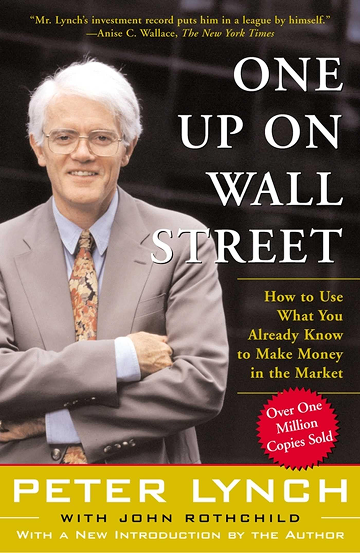
Peter Lynch - "One Up on Wall Street"
-
Summary:
Peter Lynch, one of the most successful mutual fund managers, shares his strategy of investing in what you know. Lynch explains how individual investors can use their own knowledge and observations to identify winning stocks before Wall Street discovers them. The book offers practical advice on how to pick stocks and interpret financial statements.
-
Why read it:
It’s a great resource for both investors and financial authors who want to gain insights into stock picking from one of the most respected figures in the industry. Lynch’s straightforward approach makes complex investing strategies easy to understand.
-
-
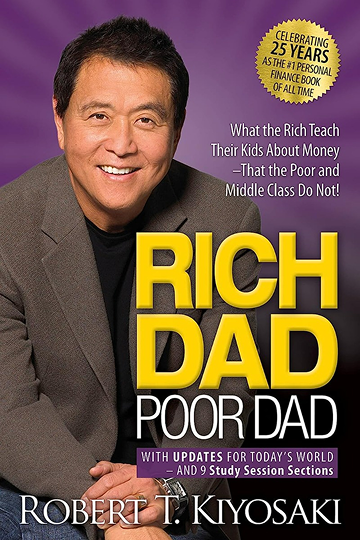
Robert Kiyosaki - "Rich Dad Poor Dad"
-
Summary:
Kiyosaki’s book presents the differences in mindset between the wealthy ("Rich Dad") and the middle-class ("Poor Dad"). The author shares lessons about financial independence, investments, and entrepreneurship, emphasizing the importance of understanding assets and liabilities. It’s a guide to shifting your mindset towards wealth creation.
-
Why read it:
This book is invaluable for investors who want to rethink their financial habits and for authors seeking inspiration in personal finance writing. Kiyosaki’s straightforward storytelling makes complex financial concepts accessible to all, offering insights into how to achieve financial independence.
-
Other profiles in category
Popular Financial Guides
Editors' Top Picks and Insights






Latest Financial News

Nasdaq 100 index extends downward move as selloff intensifies and resistance caps rebound attempts

DAX climbs as upward price move extends buying momentum
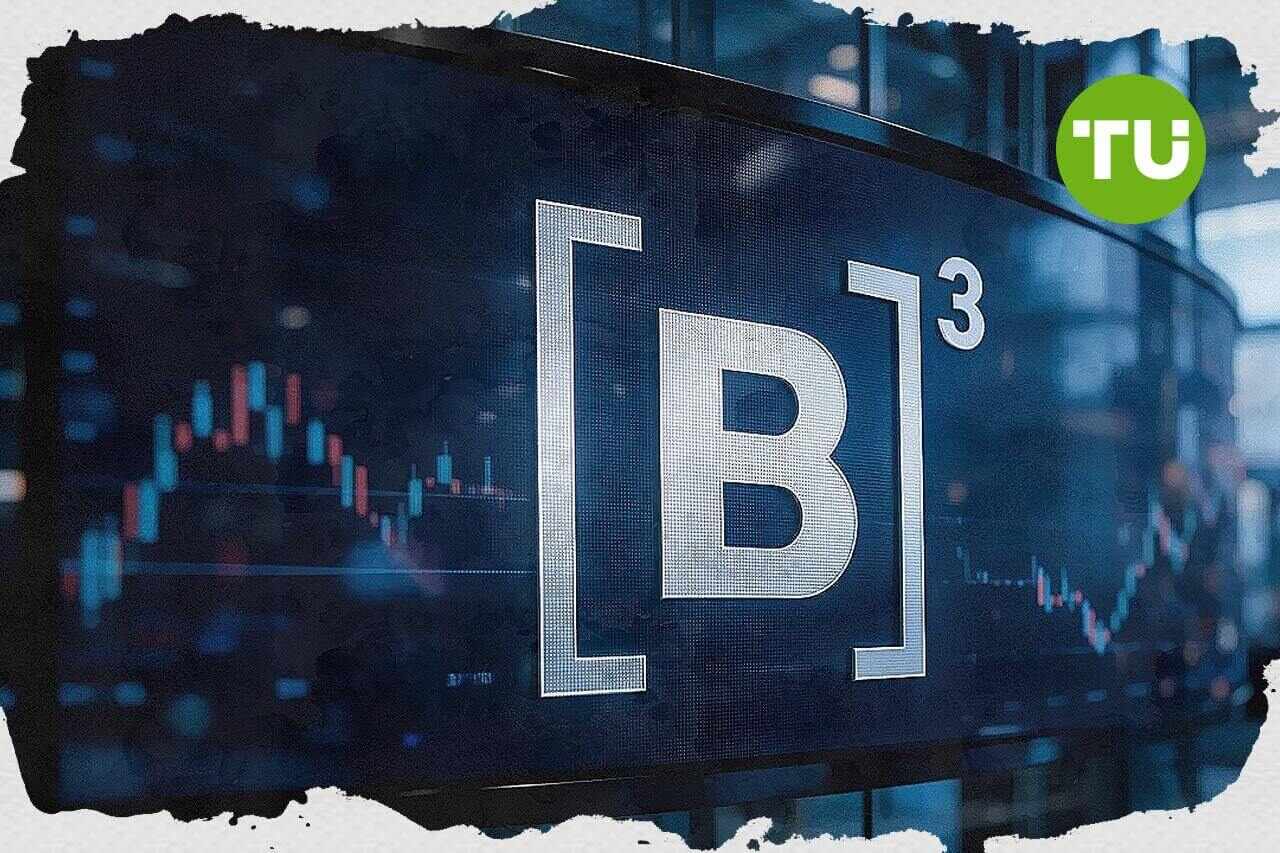
Ibovespa falls nearly 3% as heavy selling persists after Lula re-election

-
 Afghanistan
-
 Albania
-
 Algeria
-
 Angola
-
 Argentina
-
 Armenia
-
 Australia
-
 Austria
-
 Azerbaijan
-
 Bahamas
-
 Bahrain
-
 Bangladesh
-
 Belarus
-
 Belgium
-
 Bolivia
-
 Botswana
-
 Brazil
-
 Brunei
-
 Bulgaria
-
 Cambodia
-
 Cameroon
-
 Canada
-
 Chile
-
 China
-
 Colombia
-
 Congo
-
 Costa Rica
-
 Cote d'Ivoire
-
 Croatia
-
 Cuba
-
 Cyprus
-
 Czechia
-
 DR Congo
-
 Denmark
-
 Dominican Republic
-
 Ecuador
-
 Egypt
-
 El Salvador
-
 Estonia
-
 Eswatini
-
 Ethiopia
-
 Finland
-
 France
-
 Georgia
-
 Germany
-
 Ghana
-
 Greece
-
 Haiti
-
 Hong Kong
-
 Hungary
-
 India
-
 Indonesia
-
 Iran, Islamic republic
-
 Iraq
-
 Ireland
-
 Israel
-
 Italy
-
 Jamaica
-
 Japan
-
 Jordan
-
 Kazakhstan
-
 Kenya
-
 Korea
-
 Kuwait
-
 Kyrgyzstan
-
 Laos
-
 Latvia
-
 Lebanon
-
 Lesotho
-
 Libya
-
 Lithuania
-
 Luxembourg
-
 Madagascar
-
 Malaysia
-
 Malta
-
 Mauritius
-
 Mexico
-
 Moldova
-
 Mongolia
-
 Montenegro
-
 Morocco
-
 Mozambique
-
 Myanmar
-
 Namibia
-
 Nepal
-
 Netherlands
-
 New Zealand
-
 Nigeria
-
 North Macedonia
-
 Norway
-
 Oman
-
 Pakistan
-
 Palestine
-
 Panama
-
 Papua New Guinea
-
 Paraguay
-
 Peru
-
 Philippines
-
 Poland
-
 Portugal
-
 Puerto Rico
-
 Qatar
-
 Reunion
-
 Romania
-
 Rwanda
-
 Saudi Arabia
-
 Serbia
-
 Singapore
-
 Slovakia
-
 Slovenia
-
 Somalia
-
 South Africa
-
 Spain
-
 Sri Lanka
-
 Sweden
-
 Switzerland
-
 Syria
-
 Taiwan
-
 Tajikistan
-
 Tanzania
-
 Thailand
-
 Trinidad and Tobago
-
 Tunisia
-
 Turkey
-
 UAE
-
 Uganda
-
 Ukraine
-
 United Kingdom
-
United States
-
 Uruguay
-
 Uzbekistan
-
 Venezuela
-
 Vietnam
-
 Yemen
-
 Zambia
-
 Zimbabwe
- Forex
- Crypto












