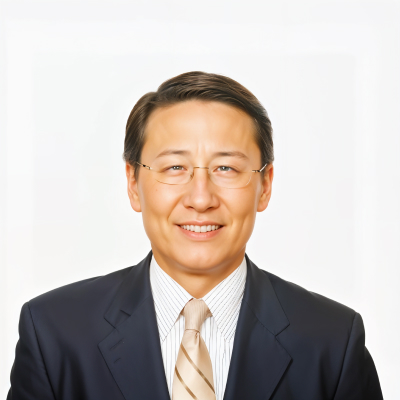
Peter Woo Net Worth, Biography and Key Insights


Peter Woo’s Profile Summary
|
Company
|
Wheelock & Co. |
|---|---|
|
Position
|
Chairman of Wheelock & Co. until he stepped down in 2015. |
|
Source of wealth
|
Real estate development, investments through Wheelock & Co., luxury retail (Lane Crawford Joyce Group), ownership stakes in properties like Harbour City and Times Square |
|
Also known as
|
Philanthropist, political figure, environmental advocate. |
|
Age
|
80 |
|
Education
|
University of Cincinnati – Bachelor's degree in Physics, Columbia Business School – MBA |
|
Citizenship
|
Hong Kong |
|
Residence
|
Hong Kong |
|
Family
|
Peter Woo is married to Bessie Pao Woo, and they have three children: Douglas, Jennifer, and Jacqueline |
|
Website, Social Media
|
https://www.wheelockcompany.com/ |
Biography
Peter Woo Kwong-ching, born in 1946 in Shanghai, moved to Hong Kong as a child. He earned his bachelor's degree in physics from the University of Cincinnati and later completed an MBA at Columbia Business School. After his studies, Woo worked at Chase Manhattan Bank, where he met his future wife, Bessie. In 1986, Woo took over Wheelock & Co. and The Wharf Holdings from his father-in-law, shipping tycoon Yue-kong Pao. Under his leadership, Wheelock became one of Hong Kong's largest property developers, with significant holdings like Harbour City and Times Square. In 2015, he stepped down as Chairman of Wheelock & Co., handing over leadership to his son, Douglas. Aside from his business success, Woo has been active in politics and philanthropy, serving in various capacities, including as Chairman of the Hong Kong Hospital Authority and the Trade Development Council. He is also the founder of Project WeCan, a charity aimed at supporting underprivileged students. Woo’s contributions to Hong Kong’s economy and community have earned him several honors, including the Grand Bauhinia Medal-
How did Peter Woo make money?
Peter Woo, one of Hong Kong’s most influential entrepreneurs, built his fortune by successfully managing and developing real estate and retail businesses. His entrepreneurial journey began in the 1970s when he joined Wheelock and Company, a large conglomerate that invested in real estate and infrastructure. Woo quickly demonstrated strategic thinking, which allowed him to become the head of Wharf Holdings, a subsidiary of Wheelock, in 1986.
A key step in his career was the reorientation of Wharf Holdings towards high-yield real estate and retail segments. Under his leadership, the company invested in the construction of luxury residential complexes, commercial buildings, and shopping malls such as Harbour City and Times Square in Hong Kong, which became some of its most profitable assets.
Peter Woo’s main source of income is rental income from commercial properties and the sale of luxury residential properties. Wharf Holdings generates billions of dollars annually through successful commercial leasing and development of new properties. In addition, Wu has been actively investing in logistics and telecommunications, which has added stability to his business.
Peter Wu's net worth is estimated at more than $10 billion. The basis of his capitalization is real estate income, as well as assets in retail and infrastructure projects, which continue to bring the company a stable income. -
What is Peter Woo net worth?
As of 2026, Peter Woo’s net worth is estimated to be $13.44B.
What is Peter Woo also known as?
Peter Woo is well-known for his philanthropic efforts, particularly through his charitable initiative, Project WeCan, which focuses on providing educational support for underprivileged children in Hong Kong. Woo has also made significant contributions to public service, having served on the Hong Kong Trade Development Council and the Hong Kong Hospital Authority. His environmental advocacy is evident in his role as the founding chairman of the Hong Kong Environment and Conservation Fund Committee, reflecting his commitment to sustainable development. Moreover, Woo has held a political role as a member of the Standing Committee of the Chinese People’s Political Consultative Conference, where he contributed to policy discussions in Hong Kong and mainland ChinaProminent achievements
Awarded the Grand Bauhinia Medal in 2012, served as Chairman of the Hong Kong Trade Development Council and the Hong Kong Hospital Authority, founded Project WeCan, built Wheelock & Co. into a major real estate powerhouse, oversaw iconic developments such as Times Square and Harbour City in Hong Kong, recognized among Asia’s most influential figures multiple timesWhat are Peter Woo’s key insights?
Peter Woo’s business philosophy revolves around long-term value creation, particularly in real estate, with a focus on patience and sustainable growth. He emphasizes the importance of corporate social responsibility, notably through his philanthropic endeavors like Project WeCan. Woo believes in adapting to market trends while preserving the core values of integrity and resilience, ensuring that his ventures contribute positively to society
Personal life
Peter Woo's wife, Bessie Pao Woo, is the daughter of shipping magnate Yue-kong Pao. Their son, Douglas Woo, has taken over leadership roles in the family business, serving as Chairman of Wheelock & Co. Their two daughters, Jennifer and Jacqueline, have maintained lower public profiles. The family has been involved in business and philanthropy, with Douglas focusing on the next generation of the family’s real estate empire
Useful insights
Understanding market forces
In my experience, to truly succeed as an investor, it’s essential to understand the driving forces behind market behavior. Market movements aren’t random—they’re influenced by a range of economic theories and dynamics. The following books provide valuable insights into these forces, offering a deeper understanding of how global financial markets operate and what shapes their trends.
-
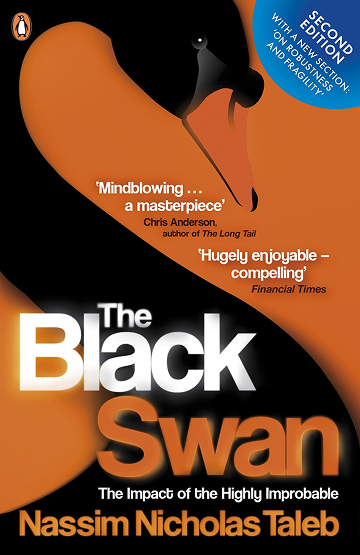
Nassim Nicholas Taleb - "The Black Swan"
-
Summary:
Taleb explores the concept of rare, unpredictable events—so-called "Black Swans"—that can have massive impacts on markets and society. These events are often overlooked by traditional risk management models, leading to devastating consequences when they occur. Taleb illustrates how these unpredictable shocks shape our world, often more than gradual, expected changes.
-
Why read it:
This book challenges conventional thinking about risk and uncertainty, showing that many major historical and financial events were "Black Swans." It's a vital read for investors who want to build resilience in the face of market volatility.
-
-
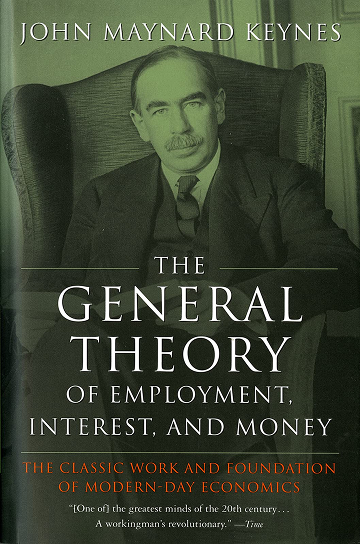
John Maynard Keynes - "The General Theory of Employment, Interest, and Money"
-
Summary:
Keynes revolutionized economics by focusing on total demand within an economy and its effect on output and inflation. His theory suggested that government intervention could stabilize economic cycles through fiscal and monetary policy. The book also explains the consequences of under-consumption and the role of interest rates in managing economic stability.
-
Why read it:
For investors interested in macroeconomic trends and policy impacts, Keynes’ work is essential. Understanding the Keynesian framework can help investors predict how government actions might influence market performance.
-
Other profiles in category
Popular Financial Guides
Editors' Top Picks and Insights

AI without limits: How dangerous are neural networks?

Worldcoin on Wall Street: From iris scans to ETF

Mark Cuban's wealth philosophy: Why stocks matter more than salary or crypto

Dangerous but indispensable: Why the crypto market needs bridges

Markus Levin: DePIN could power the AI agent economy

Pokémon cards for $2,500: How collectibles became a new form of gambling
Latest Financial News
Can uninterrupted South Korea–US trade talks support USD/KRW?

UK inflation slowdown eases pressure on Burnham government and Bank of England
UK hedge funds expand long-short bets as Burnham policy agenda reshapes domestic sectors

-
 Afghanistan
-
 Albania
-
 Algeria
-
 Angola
-
 Argentina
-
 Armenia
-
 Australia
-
 Austria
-
 Azerbaijan
-
 Bahamas
-
 Bahrain
-
 Bangladesh
-
 Belarus
-
 Belgium
-
 Bolivia
-
 Botswana
-
 Brazil
-
 Brunei
-
 Bulgaria
-
 Cambodia
-
 Cameroon
-
 Canada
-
 Chile
Chile
-
 China
China
-
 Colombia
-
 Congo
Congo
-
 Costa Rica
-
 Cote d'Ivoire
-
 Croatia
-
 Cuba
Cuba
-
 Cyprus
-
 Czechia
-
 DR Congo
-
 Denmark
-
 Dominican Republic
-
 Ecuador
-
 Egypt
Egypt
-
 El Salvador
-
 Estonia
-
 Eswatini
-
 Ethiopia
-
 Finland
-
 France
-
 Georgia
-
 Germany
-
 Ghana
Ghana
-
 Greece
-
 Haiti
Haiti
-
 Hong Kong
-
 Hungary
-
 India
India
-
 Indonesia
-
 Iran, Islamic republic
-
 Iraq
Iraq
-
 Ireland
-
 Israel
-
 Italy
Italy
-
 Jamaica
-
 Japan
Japan
-
 Jordan
-
 Kazakhstan
-
 Kenya
Kenya
-
 Korea
Korea
-
 Kuwait
-
 Kyrgyzstan
-
 Laos
Laos
-
 Latvia
-
 Lebanon
-
 Lesotho
-
 Libya
Libya
-
 Lithuania
-
 Luxembourg
-
 Madagascar
-
 Malaysia
-
 Malta
Malta
-
 Mauritius
-
 Mexico
-
 Moldova
-
 Mongolia
-
 Montenegro
-
 Morocco
-
 Mozambique
-
 Myanmar
-
 Namibia
-
 Nepal
Nepal
-
 Netherlands
-
 New Zealand
-
 Nigeria
-
 North Macedonia
-
 Norway
-
 Oman
Oman
-
 Pakistan
-
 Palestine
-
 Panama
-
 Papua New Guinea
-
 Paraguay
-
 Peru
Peru
-
 Philippines
-
 Poland
-
 Portugal
-
 Puerto Rico
-
 Qatar
Qatar
-
 Reunion
-
 Romania
-
 Rwanda
-
 Saudi Arabia
-
 Serbia
-
 Singapore
-
 Slovakia
-
 Slovenia
-
 Somalia
-
 South Africa
-
 Spain
Spain
-
 Sri Lanka
-
 Sweden
-
 Switzerland
-
 Syria
Syria
-
 Taiwan
-
 Tajikistan
-
 Tanzania
-
 Thailand
-
 Trinidad and Tobago
-
 Tunisia
-
 Turkey
-
 UAE
UAE
-
 Uganda
-
 Ukraine
-
 United Kingdom
-
United States
-
 Uruguay
-
 Uzbekistan
-
 Venezuela
-
 Vietnam
-
 Yemen
Yemen
-
 Zambia
-
 Zimbabwe
- Forex
- Crypto












