Richard Branson Net Worth, Biography and Key Insights


Richard Branson’s Profile Summary
|
Company
|
Virgin Group |
|---|---|
|
Position
|
Founder |
|
Source of wealth
|
Entrepreneurship (Virgin Group), diversified holdings in travel, telecommunications, music, health, and space exploration. |
|
Also known as
|
Richard Branson |
|
Age
|
76 |
|
Education
|
No formal higher education; left Stowe School at age 16 |
|
Citizenship
|
UK |
|
Residence
|
London, UK; Necker Island, British Virgin Islands |
|
Family
|
Married to Joan Templeman; has two children, Holly Branson and Sam Branson |
|
Website, Social Media
|
https://x.com/richardbranson |
Biography
Richard Branson is a British entrepreneur, adventurer, and the iconic founder of the Virgin Group, a global conglomerate that encompasses more than 400 companies across sectors as diverse as travel, telecommunications, health, music, and space exploration. Branson launched his first business at age 16, publishing the magazine Student, and soon after founded Virgin Records in 1972. The label’s unconventional approach and support for groundbreaking artists propelled it to international success.Branson’s business philosophy centers on challenging the status quo and empowering employees, with a focus on customer experience and brand innovation. Under his leadership, Virgin expanded rapidly into airlines, rail, financial services, and even commercial space travel through Virgin Galactic, the world’s first publicly traded space tourism company. Branson’s ventures are marked by bold marketing, risk-taking, and a willingness to disrupt established industries.
Beyond his business pursuits, Branson is a dedicated philanthropist and activist. He founded organizations such as Virgin Unite and The Elders to tackle issues ranging from climate change to global health and conflict resolution. Known for his adventurous spirit—whether attempting world record balloon flights or advocating for social causes—Richard Branson has become a symbol of entrepreneurial daring and humanitarian commitment on the world stage.
-
How did Richard Branson make money?
Richard Branson’s journey to immense wealth began as a young entrepreneur in the 1960s. At age 16, Branson launched Student magazine, gaining early experience in publishing and business management. In 1970, he founded Virgin as a mail-order record retailer, quickly followed by the opening of the first Virgin Records store in London.
In 1972, Branson launched Virgin Records, which became a powerhouse in the music industry, signing breakthrough artists such as the Sex Pistols and the Rolling Stones. The label’s success propelled Branson into the spotlight and laid the foundation for the Virgin brand’s expansion. Over the following decades, he diversified the Virgin Group into a wide array of sectors, including airlines (Virgin Atlantic, launched in 1984), telecommunications, fitness, and hospitality.
Branson’s ability to identify market gaps and disrupt established industries fueled Virgin’s rapid growth. He became known for his bold marketing stunts and willingness to take risks, which helped turn Virgin into a globally recognized brand. In 1992, Branson sold Virgin Records for approximately $1 billion, reinvesting the proceeds into other ventures.
In the 2000s, Branson entered commercial space travel with the founding of Virgin Galactic, further solidifying his reputation as a pioneer and innovator. Through relentless entrepreneurship, strategic diversification, and a strong personal brand, Richard Branson built one of the most iconic business empires in the world. -
What is Richard Branson net worth?
As of 2026, Richard Branson’s net worth is estimated to be $2.8B.
What is Richard Branson also known as?
Sir Richard Branson is internationally known by his full name and the honorific “Sir,” following his knighthood in 2000. He is often simply called “Branson” in business media and is best known as the founder of the Virgin Group.Prominent achievements
Founder of Virgin Group, encompassing over 400 companies in various industriesPioneered Virgin Records, Virgin Atlantic, and Virgin Galactic, disrupting music, airline, and space tourism sectors
Knighted in 2000 for services to entrepreneurship
Founder of major philanthropic initiatives, including Virgin Unite and The Elders
Holder of multiple world records for adventurous exploits (ballooning, boating)
X (Twitter) followers: ~12,1М+
What are Richard Branson’s key insights?
Richard Branson champions a people-centric and adventurous approach to business. He believes in challenging the status quo, empowering employees, and prioritizing customer experience. Branson is known for embracing calculated risks, promoting innovation, and turning bold ideas into reality. His philosophy emphasizes fun, resilience, and social responsibility as core components of entrepreneurial success.
Personal life
Richard Branson has been married to Joan Templeman since 1989. The couple has two children: Holly Branson, a medical doctor and business executive, and Sam Branson, a filmmaker and entrepreneur. Branson is known for maintaining a close-knit family and often features his wife and children in interviews and public events.
Useful insights
Advanced investment strategies
For those who have mastered the basics, the next step is exploring advanced investment strategies. These books delve into the complexities of portfolio management and alternative asset classes, offering sophisticated approaches to building wealth.
-
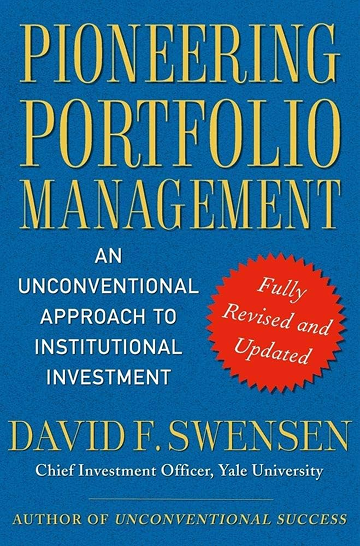
David Swensen - "Pioneering Portfolio Management"
-
Summary:
In this book, Swensen, who successfully managed Yale's endowment fund, outlines his investment philosophy, emphasizing diversification, a long-term perspective, and the inclusion of alternative asset classes such as hedge funds, private equity, and real estate. This approach aims to balance risk and reward to maximize returns for institutional investors.
-
Why read it:
Swensen’s methods are widely regarded as groundbreaking and have been adopted by many large institutional investors. His book is essential for anyone looking to build a robust, diversified portfolio with a focus on steady, long-term growth.
-
-
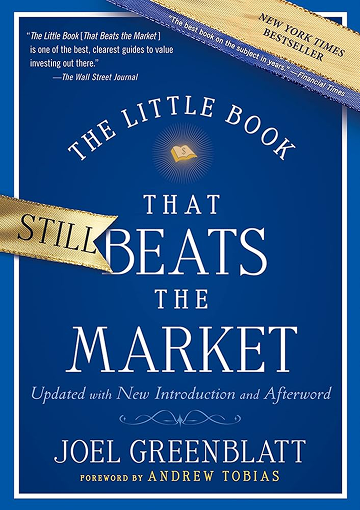
Joel Greenblatt - "The Little Book That Still Beats the Market"
-
Summary:
Greenblatt presents a simple yet effective formula for investing in value stocks. His "magic formula" identifies companies that are both undervalued and have high earnings yields, providing a clear strategy for beating the market. Greenblatt simplifies complex financial concepts for individual investors, making the book accessible to both beginners and experienced traders.
-
Why read it:
Greenblatt’s formula has consistently outperformed the market, making this book a practical guide for investors looking for a straightforward, effective strategy. It’s particularly useful for those who prefer a hands-on approach to stock selection without the need for deep financial expertise.
-
Latest Richard Branson News
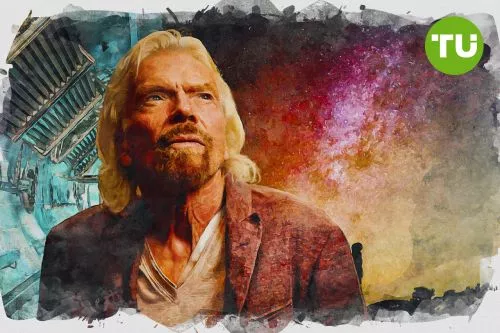
Richard Branson: Risks emerge as AI crosses uncharted boundaries

Premier African Minerals raises £550,000 to support Zulu operations
Other profiles in category
Editors' Top Picks and Insights






Popular Financial Guides

-
 Afghanistan
-
 Albania
-
 Algeria
-
 Angola
-
 Argentina
-
 Armenia
-
 Australia
-
 Austria
-
 Azerbaijan
-
 Bahamas
-
 Bahrain
-
 Bangladesh
-
 Belarus
-
 Belgium
-
 Bolivia
-
 Botswana
-
 Brazil
-
 Brunei
-
 Bulgaria
-
 Cambodia
-
 Cameroon
-
 Canada
-
 Chile
Chile
-
 China
China
-
 Colombia
-
 Congo
Congo
-
 Costa Rica
-
 Cote d'Ivoire
-
 Croatia
-
 Cuba
Cuba
-
 Cyprus
-
 Czechia
-
 DR Congo
-
 Denmark
-
 Dominican Republic
-
 Ecuador
-
 Egypt
Egypt
-
 El Salvador
-
 Estonia
-
 Eswatini
-
 Ethiopia
-
 Finland
-
 France
-
 Georgia
-
 Germany
-
 Ghana
Ghana
-
 Greece
-
 Haiti
Haiti
-
 Hong Kong
-
 Hungary
-
 India
India
-
 Indonesia
-
 Iran, Islamic republic
-
 Iraq
Iraq
-
 Ireland
-
 Israel
-
 Italy
Italy
-
 Jamaica
-
 Japan
Japan
-
 Jordan
-
 Kazakhstan
-
 Kenya
Kenya
-
 Korea
Korea
-
 Kuwait
-
 Kyrgyzstan
-
 Laos
Laos
-
 Latvia
-
 Lebanon
-
 Lesotho
-
 Libya
Libya
-
 Lithuania
-
 Luxembourg
-
 Madagascar
-
 Malaysia
-
 Malta
Malta
-
 Mauritius
-
 Mexico
-
 Moldova
-
 Mongolia
-
 Montenegro
-
 Morocco
-
 Mozambique
-
 Myanmar
-
 Namibia
-
 Nepal
Nepal
-
 Netherlands
-
 New Zealand
-
 Nigeria
-
 North Macedonia
-
 Norway
-
 Oman
Oman
-
 Pakistan
-
 Palestine
-
 Panama
-
 Papua New Guinea
-
 Paraguay
-
 Peru
Peru
-
 Philippines
-
 Poland
-
 Portugal
-
 Puerto Rico
-
 Qatar
Qatar
-
 Reunion
-
 Romania
-
 Rwanda
-
 Saudi Arabia
-
 Serbia
-
 Singapore
-
 Slovakia
-
 Slovenia
-
 Somalia
-
 South Africa
-
 Spain
Spain
-
 Sri Lanka
-
 Sweden
-
 Switzerland
-
 Syria
Syria
-
 Taiwan
-
 Tajikistan
-
 Tanzania
-
 Thailand
-
 Trinidad and Tobago
-
 Tunisia
-
 Turkey
-
 UAE
UAE
-
 Uganda
-
 Ukraine
-
 United Kingdom
-
United States
-
 Uruguay
-
 Uzbekistan
-
 Venezuela
-
 Vietnam
-
 Yemen
Yemen
-
 Zambia
-
 Zimbabwe
- Forex
- Crypto












