
Crypto Mining vs The Environment: Can Blockchain Go Green?


Editorial Note: While we adhere to strict Editorial Integrity, this post may contain references to products from our partners. Here's an explanation for How We Make Money. None of the data and information on this webpage constitutes investment advice according to our Disclaimer.
Crypto mining is more than a power-hungry process. It is a global issue involving energy politics, environmental damage, and economic tradeoffs. Mining often targets the cheapest electricity, which usually comes from the dirtiest sources. To address crypto’s pollution problem, it is not just about reducing power use. It requires smarter and more equitable energy practices.
Crypto mining is not just about how much power it uses. It is a global fight over who controls the machines and who pays the price. The real damage to nature does not come just from the electricity itself but from how miners chase cheap power wherever they can find it, no matter how dirty. In places where energy is cheap and unregulated, mining explodes and no one wants to own the consequences. To really understand the pollution crypto causes, you have to dig deeper than the news and look at energy politics and the messed-up motivations behind all the machines running.
Risk warning: Cryptocurrency markets are highly volatile, with sharp price swings and regulatory uncertainties. Research indicates that 75-90% of traders face losses. Only invest discretionary funds and consult an experienced financial advisor.
Understanding crypto mining

Crypto mining is the backbone of many cryptocurrencies. It keeps the network secure and makes sure that transactions are verified without needing a central authority. New coins also come into circulation through mining. For beginners, this is a vital concept to grasp because it explains how digital currencies stay trustworthy and why mining has become such a major industry.
What is crypto mining
Crypto mining is the process that verifies transactions and secures proof-of-work blockchains like Bitcoin. It involves a global network of computers competing to solve complex mathematical puzzles. The computer that solves the puzzle first earns the right to add a new block of transactions to the blockchain and receives a reward in the form of cryptocurrency.
Key components of mining:
Hardware requirements. Miners use powerful hardware, typically ASIC machines built specifically for mining. These are far more efficient than standard graphics cards or personal computers, which are no longer sufficient for major networks.
Types of mining. There are different approaches to mining. Solo mining involves trying to solve blocks independently, which is highly competitive and resource-intensive. Pool mining involves multiple miners contributing their power to a shared group, allowing more consistent rewards. Cloud mining lets users rent mining power remotely, often with lower returns.
Proof-of-work mechanism. Mining relies on a process called proof of work, where miners solve cryptographic problems that require real computing power. This effort helps secure the network and maintain the integrity of the blockchain.
Rewards and economics
Block rewards and fees. Miners earn rewards through newly issued coins and transaction fees. For example, Bitcoin recently reduced its block reward to 3.125 BTC following a scheduled halving event. These events occur approximately every four years and slow down the rate at which new coins enter circulation.
Profitability factors. Profitability depends on the cost of hardware, access to cheap electricity, network difficulty, and the market value of the mined coins. Larger operations with access to low-cost power have an advantage, while individual miners face higher risks and thinner margins.

Proof-of-Work vs Proof-of-Stake
Blockchains use different systems to validate transactions and protect the network. The two most common methods are Proof-of-Work (PoW) and Proof-of-Stake (PoS). Both ensure the network remains secure and trustworthy, but they differ in how validators are chosen and how rewards are distributed.
| Feature | Proof-of-Work (PoW) | Proof-of-Stake (PoS) |
|---|---|---|
| How it works | Computers solve mathematical problems. The first to solve it adds a new block and receives a reward. | Validators are selected based on how many coins they have staked. |
| Security model | Highly secure due to the effort required to attack the network. | Secure when widely distributed and properly maintained. |
| Energy use | Very high, as mining requires constant computing power. | Much lower, with minimal hardware requirements. |
| Speed and scalability | Slower, with limited transaction throughput. | Faster and more suitable for growing networks. |
| Incentives | Miners receive new coins and transaction fees. | Stakers earn a share of rewards based on their stake. |
| Used by | Bitcoin, Litecoin, Dogecoin | Ethereum (after 2022), Cardano, Solana, Polkadot |
Proof-of-work is the original system used by Bitcoin and similar networks. In this method, miners use advanced machines to compete in solving problems. The first to solve the puzzle adds the next block and earns a reward. This method is known for its security but consumes a large amount of electricity. As more miners join the network, the energy cost and difficulty rise.
Proof-of-stake offers a more energy-efficient alternative. Instead of competing through computing power, participants lock in coins as a form of commitment. The system randomly selects one of these participants to verify the next block, often favoring those with larger stakes. This method uses less energy, speeds up transactions, and allows users to earn regular returns. Ethereum adopted this system in 2022, and many newer blockchains use it from the start.
Why it matters to you:
Proof-of-Stake lets you earn rewards by holding coins.
Proof-of-Work still offers strong security but comes with energy costs.
Understanding which one your crypto uses helps you make better investment choices.
Environmental impact of crypto mining
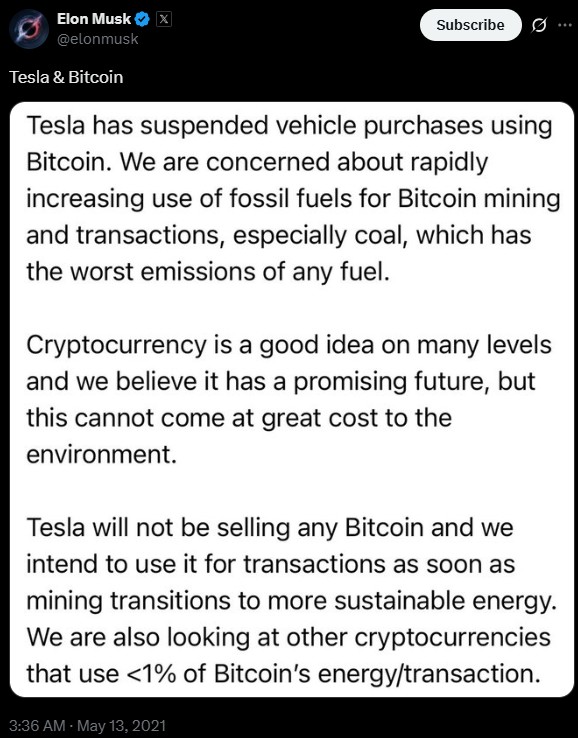
Crypto mining does more than validate transactions. It also has a real-world environmental cost. As cryptocurrencies grow more popular, the energy and resources used for mining have drawn sharp attention. From electricity usage to carbon emissions and electronic waste, the environmental impact of mining is a growing concern for governments, investors, and everyday users alike.
Energy consumption statistics
Mining digital currencies, especially those using Proof-of-Work, requires huge amounts of electricity. This power demand is often compared to the energy consumption of entire countries.
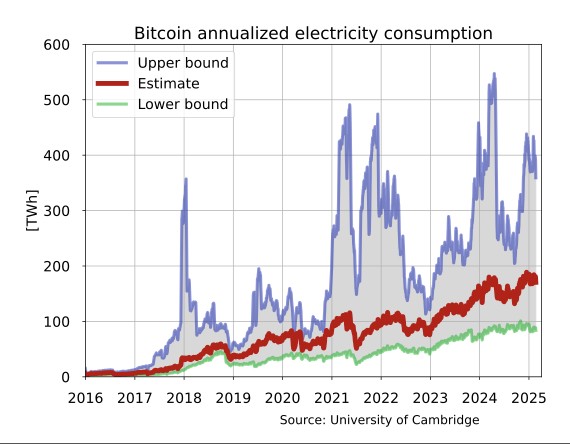
As of early 2025, Bitcoin mining consumes approximately 175.87 terawatt-hours (TWh) of electricity annually, comparable to Poland's national energy usage. This consumption accounts for about 0.6% of global electricity demand. A single Bitcoin transaction can consume over 1,085 kilowatt-hours (kWh) of electricity, equivalent to the power usage of an average U.S. household for more than a month.
Why it matters:
High energy usage makes some cryptocurrencies less sustainable.
It leads to rising concerns over crypto’s long-term compatibility with climate goals.
Investors are now more conscious of energy-efficient coins.
Carbon emissions and ecological footprint
The heavy power needs of crypto mining lead to significant greenhouse gas emissions, especially in areas relying on coal or gas-powered electricity.
Fossil fuel-based power plants supply much of the electricity for mining in countries like China, Kazakhstan, and some US states. Mining contributes millions of tons of CO₂ emissions annually, with Bitcoin being the main contributor among cryptocurrencies.
Some mining operations are shifting to renewable sources such as hydro, wind, or solar power. Crypto projects like Ethereum’s switch to Proof-of-Stake have drastically reduced their carbon output.
Why it matters:
Investors and regulators are pushing for greener alternatives.
Carbon-intensive mining operations may face stricter rules or bans in the future.
Environmental ratings are becoming part of coin evaluation.
Electronic waste and resource depletion
Crypto mining not only consumes electricity. It also produces a surprising amount of electronic waste due to the rapid obsolescence of mining hardware.
Mining hardware like ASICs becomes outdated within 1 to 2 years due to constant upgrades and rising difficulty levels. These machines often cannot be repurposed and are discarded, adding to global e-waste volumes.
Mining also requires rare materials like copper, aluminum, and lithium, putting pressure on natural reserves. The demand for mining rigs has contributed to global shortages in high-performance semiconductors.
Why it matters:
Electronic waste is harder to recycle than general waste and often ends up in landfills.
The environmental toll from hardware production and disposal adds another layer to crypto’s ecological impact.
Choosing eco-friendly coins or mining alternatives is becoming an ethical choice for many users.
Green crypto mining initiatives
Crypto mining is changing. As more people raise concerns about its environmental toll, new ideas and technologies are helping turn mining into a cleaner activity. These changes are not just good for the planet. They also make crypto more appealing to users who care about sustainability.
In places like Canada, Norway, and parts of the US, mining farms are now powered by renewable sources. Some governments offer lower taxes or rewards for miners who use clean energy. New types of mining setups are even running directly off extra power from green energy sites, which would otherwise go unused.
Why it matters:
Cuts down on pollution from mining.
Makes crypto look more responsible to outsiders.
Helps miners lower their power bills in the long run.
Carbon offset programs
Mining companies and projects are taking steps to cancel out the emissions they cause by investing in climate-friendly projects.
Some companies buy carbon credits that help protect forests or fund clean energy projects. New tools show users how much pollution is tied to their crypto activity. Projects like KlimaDAO make it easy for people to support cleaner crypto by offsetting their footprint.
Why it matters:
Let's continue mining without ignoring the planet.
Builds trust by showing users that action is being taken.
Helps the whole industry move in a better direction.
Sustainable mining technologies
Tech companies are building smarter and cleaner tools for crypto mining that use less energy and last longer.
Newer chips need less electricity to do the same work, making mining more efficient. Cooling systems that use liquid instead of fans save power and help hardware last longer. Portable mining setups that run on solar or wind power are being used in remote areas.
Why it matters:
Less hardware waste means less junk ending up in landfills.
Lower electricity use keeps costs down for miners.
Makes it easier for people to support crypto without worrying about its environmental impact.
Ethereum's transition to Proof-of-Stake
Ethereum made a huge change in 2022. It stopped using mining to process transactions and switched to a more energy-friendly system called Proof-of-Stake. This upgrade, called the Merge, helped Ethereum cut its power use and opened the door for a cleaner future in crypto. It also sent a message to the rest of the industry that big changes are possible and sometimes necessary.
Overview of the Merge
The Merge was when Ethereum stopped using miners and started using validators. Instead of competing to solve puzzles, people now lock up their coins to help run the network.
Ethereum has had a second network called the Beacon Chain running quietly since 2020. In September 2022, the main Ethereum network joined it, and mining was turned off. After this, validators took over, and expensive hardware was no longer needed.
Why it was important:
Billions of dollars were at stake, but the shift happened smoothly.
Ethereum kept running the whole time without crashing or delays.
Energy efficiency improvements
One of the best parts of the switch was how much energy Ethereum saved. Ethereum now uses about 99 percent less electricity than before. Mining gear is no longer required, cutting back on power-hungry machines. This made Ethereum one of the greenest major blockchains.
Why it matters:
Eco-conscious investors are now more likely to support Ethereum.
Other coins are feeling pressure to use less energy too.
It proves that crypto does not always have to harm the environment.
Implications for the crypto industry
Ethereum’s move to Proof-of-Stake is a big deal not just for Ethereum, but for the entire crypto world.
More networks are thinking about switching to similar systems. New apps are being built with a focus on saving energy. Big investors now feel more confident backing energy-efficient coins
Why it matters:
Shows that major upgrades can be done without breaking the system.
Proves that crypto can change with the times.
Signals that the industry is growing up and thinking long term.
Solutions to crypto mining
Mining crypto has its downsides, especially when it comes to power use and waste. But it is not all bad news. People in the industry are working on ways to fix the problems without giving up on the benefits. Whether it is using cleaner energy, switching systems, or recycling old machines, there are real steps being taken to make mining smarter and cleaner.
Switching to Proof-of-Stake
One way to solve the problem is to stop mining altogether. That is what Ethereum did when it moved to Proof-of-Stake.
Why it works:
You do not need expensive or power-hungry machines.
Instead of mining, people help run the network by locking up their coins.
What it fixes:
Uses way less electricity.
Cuts down on pollution.
Opens the door for more people to take part.
Using renewable energy
Miners are starting to use clean power like wind and solar instead of coal or gas.
What is happening:
Some mining farms are now running on 100 percent clean energy.
Others use leftover power from solar plants that would go to waste otherwise.
What it fixes:
Less pollution.
Cheaper power over time.
Shows that crypto can be eco-friendly.
Optimizing mining hardware
Instead of changing the system, some people are just making mining machines better.
What’s improving:
New chips do more work using less power.
Liquid cooling keeps machines from overheating.
Modular rigs use fewer materials and are easier to upgrade.
What it fixes:
Brings down energy use.
Creates less waste.
Makes mining easier to manage.
Carbon offset and recycling programs
Some miners are trying to cancel out the damage they do by helping clean up in other ways.
What they are doing:
Buying carbon credits to fund green projects.
Sending old machines to recycling centers instead of trash piles.
Reselling used gear to smaller miners.
What it fixes:
Helps clean up after mining.
Makes crypto easier to support for people who care about the planet.
Encourages better habits in the industry.
While not similar, staking is somewhat a decent alternative to mining crypto. Just replace your hardware investment with actual crypto investment and stake them for rewards instead of using your hardware for mining coins. That way, you can grow your capital and remain environment-conscious. The top brokers for this purpose have been listed below for you to compare:
| Foundation year | Ethereum | Staking | Yield farming | NFT | Crypto bonuses | Regulation | TU overall score | Open an account | |
|---|---|---|---|---|---|---|---|---|---|
| 2011 | Yes | Yes | No | Yes | Yes | FCIS, FinCEN, FINTRAC | 7.6 | Go to broker Your capital is at risk.
|
|
| 2016 | Yes | Yes | Yes | Yes | Yes | Malta Financial Services Authority | 7.8 | Go to broker Your capital is at risk. |
|
| 2018 | Yes | Yes | Yes | Yes | No | No | 7.76 | Go to broker Your capital is at risk. |
|
| 2012 | Yes | Yes | Yes | Yes | No | No | 7.84 | Go to broker Your capital is at risk. |
|
| 2017 | Yes | Yes | Yes | Yes | Yes | No | 8.48 | Go to broker Your capital is at risk. |
Location defines impact in crypto mining

Most people starting out only think about how much power crypto mining burns. But that number means little if you are not asking what kind of power it is. A megawatt from wind is very different from a megawatt from coal, yet people often treat them the same. The issue is not that crypto uses energy. Everything does. The real problem begins when miners move into areas where power is cheap because it comes from dirty or poorly managed sources. That is when pollution rises, not just from mining but from the choice of location.
Another important point people overlook is how mining affects nearby communities. In small towns, large mining operations often take over the cheapest electricity that was originally meant for homes, schools, or hospitals. This overloads local power grids, increases outages, and raises energy bills for everyone else. Even when miners pay for the electricity, the hidden costs are passed on to others. If you are entering the mining space, do not just ask if your setup is efficient. Ask whether it is taking power away from people who need it most. Mining responsibly means using clean energy without depriving others of access to it.
Conclusion
Where crypto mining is headed will depend on doing the right thing, not just for the sake of good press, but because it truly matters. It needs to function in harmony with the communities and environments it affects, rather than disrupting them. That means asking who is affected when miners connect to the grid and whether those tradeoffs are justified. If crypto is serious about building something better, it cannot continue repeating the same mistakes. Mining in a more responsible way is not just a slogan. It is a responsibility owed to the people and places that provide the energy behind it.
FAQs
Is crypto mining illegal?
Crypto mining is legal in many countries but restricted or banned in others due to energy concerns or regulatory control. Nations like China and Algeria have imposed bans, while places like the U.S. and Canada allow regulated mining.
How long will it take to mine 1 Bitcoin?
The time to mine 1 Bitcoin depends on your hardware and mining setup. With a top-tier ASIC miner, it could take about 10 minutes in a mining pool, but solo mining could take months or even years.
Can I mine crypto on my phone?
Technically, yes, but it's highly inefficient and can damage your device. Mobile mining apps yield minimal rewards and are not practical for serious mining due to limited processing power.
What are the international agreements and collaborations regarding crypto mining?
There are no formal global treaties on crypto mining yet, but cross-border talks are increasing around energy use, environmental impact, and regulatory consistency. Some countries are exploring collaborative green mining standards and data-sharing frameworks.
Editors' Top Picks and Insights






Related Articles
Team that worked on the article
Anton Kharitonov is an active trader and analyst. He employs both short- and long-term trading strategies, primarily based on fundamental factors, supported by technical indicators and intermarket analysis.
Andreas Kristo Saragih is a seasoned equity research analyst with over a decade of experience across both buy-side and sell-side roles, focused on the Indonesian capital market. He has extensive sector coverage, including banking, consumer goods, retail, real estate, healthcare, transportation, poultry, cement, pharmaceuticals, construction, and infrastructure.
Chinmay Soni is a financial analyst with more than 5 years of experience in working with stocks, Forex, derivatives, and other assets. As a founder of a boutique research firm and an active researcher, he covers various industries and fields, providing insights backed by statistical data.
An investor is an individual, who invests money in an asset with the expectation that its value would appreciate in the future. The asset can be anything, including a bond, debenture, mutual fund, equity, gold, silver, exchange-traded funds (ETFs), and real-estate property.
Bitcoin is a decentralized digital cryptocurrency that was created in 2009 by an anonymous individual or group using the pseudonym Satoshi Nakamoto. It operates on a technology called blockchain, which is a distributed ledger that records all transactions across a network of computers.
CFD is a contract between an investor/trader and seller that demonstrates that the trader will need to pay the price difference between the current value of the asset and its value at the time of contract to the seller.
Yield refers to the earnings or income derived from an investment. It mirrors the returns generated by owning assets such as stocks, bonds, or other financial instruments.
Ethereum is a decentralized blockchain platform and cryptocurrency that was proposed by Vitalik Buterin in late 2013 and development began in early 2014. It was designed as a versatile platform for creating decentralized applications (DApps) and smart contracts.

-
 Afghanistan
-
 Albania
-
 Algeria
-
 Angola
-
 Argentina
-
 Armenia
-
 Australia
-
 Austria
-
 Azerbaijan
-
 Bahamas
-
 Bahrain
-
 Bangladesh
-
 Belarus
-
 Belgium
-
 Bolivia
-
 Botswana
-
 Brazil
-
 Brunei
-
 Bulgaria
-
 Cambodia
-
 Cameroon
-
 Canada
-
 Chile
Chile
-
 China
China
-
 Colombia
-
 Congo
Congo
-
 Costa Rica
-
 Cote d'Ivoire
-
 Croatia
-
 Cuba
Cuba
-
 Cyprus
-
 Czechia
-
 DR Congo
-
 Denmark
-
 Dominican Republic
-
 Ecuador
-
 Egypt
Egypt
-
 El Salvador
-
 Estonia
-
 Eswatini
-
 Ethiopia
-
 Finland
-
 France
-
 Georgia
-
 Germany
-
 Ghana
Ghana
-
 Greece
-
 Haiti
Haiti
-
 Hong Kong
-
 Hungary
-
 India
India
-
 Indonesia
-
 Iran, Islamic republic
-
 Iraq
Iraq
-
 Ireland
-
 Israel
-
 Italy
Italy
-
 Jamaica
-
 Japan
Japan
-
 Jordan
-
 Kazakhstan
-
 Kenya
Kenya
-
 Korea
Korea
-
 Kuwait
-
 Kyrgyzstan
-
 Laos
Laos
-
 Latvia
-
 Lebanon
-
 Lesotho
-
 Libya
Libya
-
 Lithuania
-
 Luxembourg
-
 Madagascar
-
 Malaysia
-
 Malta
Malta
-
 Mauritius
-
 Mexico
-
 Moldova
-
 Mongolia
-
 Montenegro
-
 Morocco
-
 Mozambique
-
 Myanmar
-
 Namibia
-
 Nepal
Nepal
-
 Netherlands
-
 New Zealand
-
 Nigeria
-
 North Macedonia
-
 Norway
-
 Oman
Oman
-
 Pakistan
-
 Palestine
-
 Panama
-
 Papua New Guinea
-
 Paraguay
-
 Peru
Peru
-
 Philippines
-
 Poland
-
 Portugal
-
 Puerto Rico
-
 Qatar
Qatar
-
 Reunion
-
 Romania
-
 Rwanda
-
 Saudi Arabia
-
 Serbia
-
 Singapore
-
 Slovakia
-
 Slovenia
-
 Somalia
-
 South Africa
-
 Spain
Spain
-
 Sri Lanka
-
 Sweden
-
 Switzerland
-
 Syria
Syria
-
 Taiwan
-
 Tajikistan
-
 Tanzania
-
 Thailand
-
 Trinidad and Tobago
-
 Tunisia
-
 Turkey
-
 UAE
UAE
-
 Uganda
-
 Ukraine
-
 United Kingdom
-
United States
-
 Uruguay
-
 Uzbekistan
-
 Venezuela
-
 Vietnam
-
 Yemen
Yemen
-
 Zambia
-
 Zimbabwe
- Forex
- Crypto












