
The Future of Crypto Trading: Trends and Predictions



Editorial Note: While we adhere to strict Editorial Integrity, this post may contain references to products from our partners. Here's an explanation for How We Make Money. None of the data and information on this webpage constitutes investment advice according to our Disclaimer.
Key trends and predictions for the future of crypto trading:
- Central bank digital currencies (CBDCs).
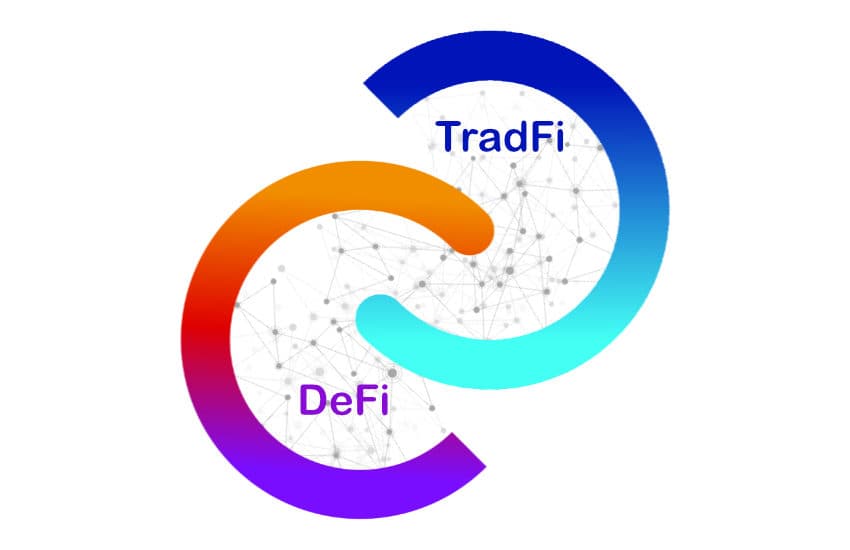
- Convergence of TradFi and DeFi.
- Corporate adoption and institutional interest.
- NFT Market resurgence.
Staying updated with the latest trends is essential for traders aiming to leverage new opportunities and mitigate risks. This article provides an overview of the main trends that will influence the future of crypto trading, helping traders understand what to expect in the coming years.
Emerging trends in crypto trading
Central bank digital currencies (CBDCs)
Central Bank Digital Currencies (CBDCs) are digital versions of national currencies issued by central banks. Countries like China, with its Digital Yuan, are pioneering this initiative. CBDCs could transform the financial ecosystem by providing a regulated and stable digital currency option. As more countries explore and implement CBDCs, they will play a significant role in the future of crypto trading.

Convergence of TradFi and DeFi
Traditional finance (TradFi) and decentralized finance (DeFi) are increasingly converging, with institutions recognizing the potential of blockchain technology to enhance financial services. This integration could lead to a more resilient financial system, combining the stability of TradFi with the innovation of DeFi. Platforms like Aave and Compound are at the forefront of this trend, bridging the gap between traditional and decentralized financial systems.
Corporate adoption and institutional interest
Institutional interest in cryptocurrencies has grown significantly, with companies like Tesla and Strategy investing heavily in Bitcoin. This trend is driving mainstream adoption and providing legitimacy to the crypto market. As more corporations and institutional investors enter the space, the market will become more stable and mature, attracting a broader range of participants.

NFT Market resurgence
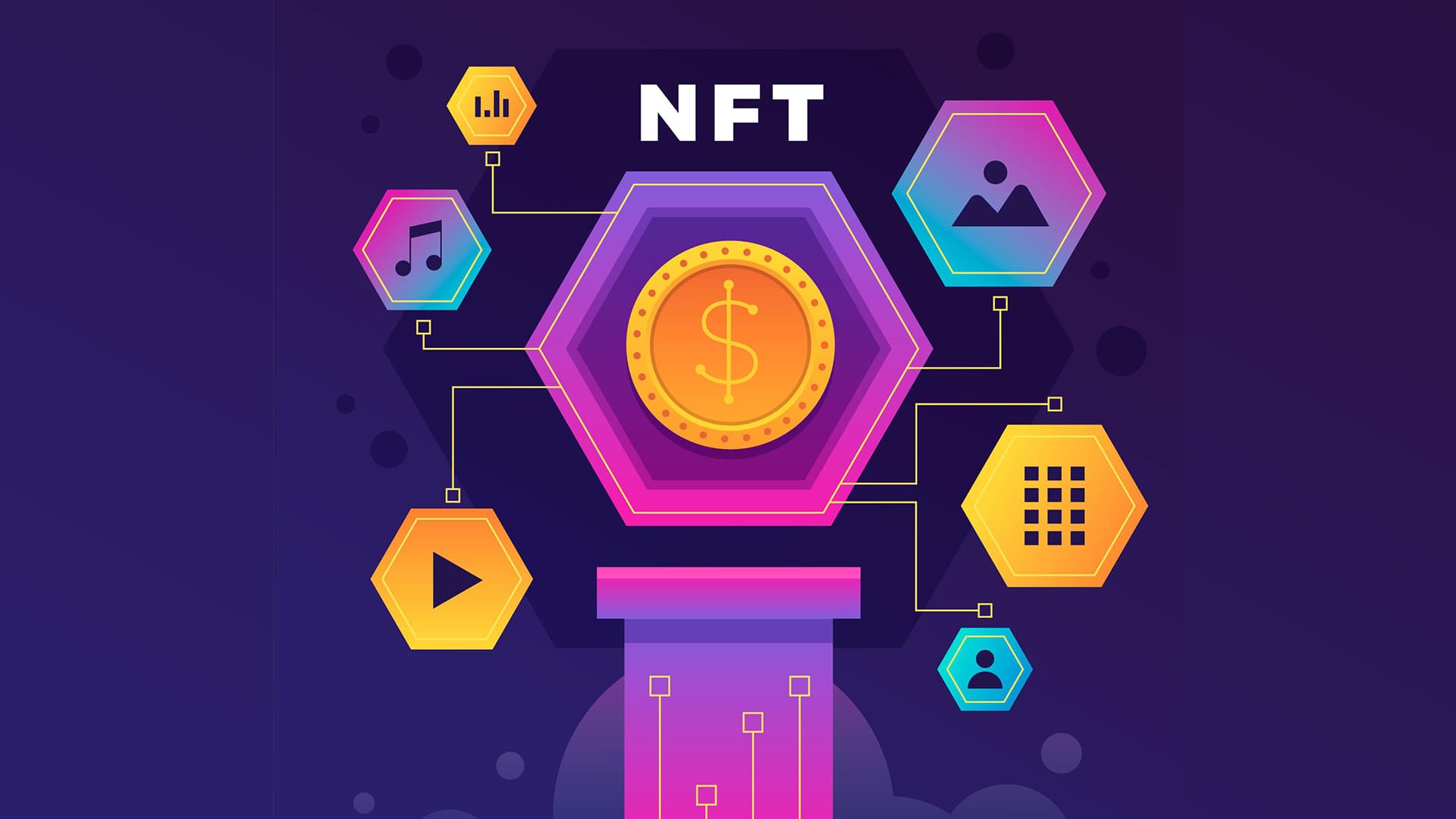
Non-fungible tokens (NFTs) have revolutionized the digital art and collectibles market. Despite a volatile market, NFTs continue to gain traction, with platforms like OpenSea and Rarible leading the charge. The future of NFTs looks promising, with potential applications extending beyond art to include real estate, gaming, and intellectual property.
To move confidently into the future, it is important to find a reliable cryptocurrency exchange that offers favorable terms of cooperation and a wide selection of different options.
| Kraken | OKX | BTCC | Coinbase | Nebeus | |
|---|---|---|---|---|---|
|
Min. Deposit, $ |
10 | 10 | 10 | 10 | 5 |
|
Spot Taker fee, % |
0.4 | 0.1 | 0.3 | 0.5 | Not available |
|
Spot Maker Fee, % |
0.25 | 0.08 | 0.2 | 0.5 | Not available |
|
Copy trading |
Yes | Yes | Yes | No | No |
|
Staking |
Yes | Yes | Yes | Yes | Yes |
|
NFT |
Yes | Yes | Yes | Yes | No |
|
Yield farming |
Yes | Yes | No | Yes | No |
|
Open account |
Go to broker Your capital is at risk. |
Go to broker Your capital is at risk. |
Go to broker Your capital is at risk.
|
Go to broker Your capital is at risk. |
Go to broker Your capital is at risk.
|
Market dynamics and influences
Regulatory changes and compliance
The regulatory landscape for cryptocurrencies is continually evolving. Governments and regulatory bodies worldwide are working to establish frameworks that ensure market stability and protect investors. Compliance with these regulations is crucial for the long-term growth of the crypto market. Traders must stay informed about regulatory developments to navigate the market effectively.
Global economic and geopolitical factors
Macroeconomic indicators such as inflation, interest rates, and geopolitical events significantly impact the crypto market. For instance, economic instability often drives investors to seek refuge in digital assets. Understanding these factors is essential for making informed trading decisions and anticipating market movements. Discover how China's crypto portfolio and blockchain investments influence global market trends.
Stablecoins and market stability
Stablecoins, such as Tether (USDT) and USD Coin (USDC), play a vital role in providing liquidity and stability in the crypto market. They offer a bridge between traditional finance and cryptocurrencies by maintaining a stable value pegged to fiat currencies. The use of stablecoins is expected to grow, contributing to market stability and providing a reliable medium for transactions.
Note: In June 2024, the USDT steiblcoin issuer introduced the Alloy token issuance platform, using Tether Gold as collateral, running on top of the Ethereum blockchain. So thanks to aUSDT, your crypto wallet will now have a drop of real gold in it.
Predictions for the next decade
Renowned investors and traders have shared various predictions and insights about the future of cryptocurrency trading. Here are some key predictions and quotes from notable figures in the industry:
Tyler Winklevoss: Increased Adoption and Integration

"Bitcoin will one day become the world’s single currency. We believe that it could be the world’s primary reserve currency."
The Winklevoss twins, known for their early investment in Bitcoin, foresee a future where Bitcoin and other cryptocurrencies become mainstream and are integrated into global financial systems.
Brian Armstrong: Regulatory Developments

"Over the next decade, we'll see blockchain moving beyond just the financial sector. We'll see blockchain tech changing the way every industry transacts and interacts with data, requiring new frameworks and regulations."
Brian Armstrong, CEO of Coinbase, predicts that as blockchain technology becomes more pervasive, it will lead to significant regulatory changes across various industries, not just finance.
Mike Novogratz: Institutional Investment

"We are going to see an inflow of institutional money into Bitcoin over the next five years that will completely change the dynamics of the space."
Mike Novogratz, a former hedge fund manager and a prominent crypto investor, anticipates a surge in institutional investments in Bitcoin and other cryptocurrencies, which will drive further market growth and stability.
Preparing for the future
Continuous learning and adaptation to technological advancements are key to staying competitive in the crypto market. Traders should embrace new tools and technologies, such as AI-driven analytics and blockchain-based solutions, to enhance their trading strategies.
Developing personalized trading strategies that align with individual goals and risk tolerance is crucial for success. Traders should stay updated with market trends and adjust their strategies accordingly to navigate the dynamic crypto market.
Crypto markets are inherently volatile. Traders should be prepared to navigate fluctuations by employing strategies such as diversifying investments, setting appropriate risk management parameters, and staying informed about market trends.
Crypto perspectives being shaped by technological innovation and regulatory clarity

The integration of blockchain technology will continue to streamline trading processes, enhancing both security and transparency. From my own trading, the use of smart contracts has already reduced intermediaries and costs, and this efficiency will only grow. The involvement of AI and machine learning in trading strategies has provided me with advanced predictive insights, and these tools will become even more crucial as they evolve.
Mainstream adoption is on the rise, which will improve liquidity and market dynamics. However, the increasing digitalization of trading underscores the importance of robust cybersecurity measures. In essence, the future of crypto trading will demand adaptability and a keen understanding of emerging technologies and regulations. Those who navigate these changes effectively will thrive in this dynamic market.
Summary
The future of crypto trading will be shaped by advancements in blockchain and AI, leading to greater transparency, security, and efficiency. Regulatory clarity will ensure market stability and investor protection, while mainstream adoption will improve integration with traditional financial systems and enhance market accessibility. Sustainability will also become a key focus, driving the development of greener blockchain solutions. Overall, these changes will create a more robust and accessible trading ecosystem.
FAQs
How will blockchain technology impact the future of crypto trading?
Blockchain will enhance transparency, security, and efficiency in trading, reducing the need for intermediaries and lowering transaction costs.
What role will regulations play in the future of crypto trading?
Regulatory clarity will be crucial for market integrity, investor protection, and combating fraud, ensuring a stable and legitimate trading environment.
How will AI and machine learning influence crypto trading?
AI and machine learning will provide advanced analytics and predictive capabilities, enabling traders to make more informed decisions and optimize their portfolios.
What is the expected impact of mainstream adoption on crypto trading?
Increased mainstream adoption will lead to better integration with traditional financial systems, improved liquidity, and enhanced accessibility for both retail and institutional investors.
Editors' Top Picks and Insights

Proof of Reserves: the new standard for cryptocurrency exchanges

Three trends that could reshape the crypto market over the next decade

Trump financial disclosure: How the president's crypto income became a U.S. ethics issue

Code red: What's behind Bitcoin’s sharp selloff?

MiCA is live: How EU new rules are changing crypto market

Bitcoin price prediction based on MVRV: Indicator points to BTC undervaluation
Related Articles
Team that worked on the article
Parshwa is a content expert and finance professional possessing deep knowledge of stock and options trading, technical and fundamental analysis, and equity research. As a Chartered Accountant Finalist, Parshwa also has expertise in Forex, crypto trading, and personal taxation.
Dr. BJ Johnson is a PhD in English Language and an editor with over 15 years of experience. He earned his degree in English Language in the U.S and the UK.
Mirjan Hipolito is a journalist and news editor at Traders Union. She is an expert crypto writer with five years of experience in the financial markets.
Index in trading is the measure of the performance of a group of stocks, which can include the assets and securities in it.
Cryptocurrency is a type of digital or virtual currency that relies on cryptography for security. Unlike traditional currencies issued by governments (fiat currencies), cryptocurrencies operate on decentralized networks, typically based on blockchain technology.
Options trading is a financial derivative strategy that involves the buying and selling of options contracts, which give traders the right (but not the obligation) to buy or sell an underlying asset at a specified price, known as the strike price, before or on a predetermined expiration date. There are two main types of options: call options, which allow the holder to buy the underlying asset, and put options, which allow the holder to sell the underlying asset.
Crypto trading involves the buying and selling of cryptocurrencies, such as Bitcoin, Ethereum, or other digital assets, with the aim of making a profit from price fluctuations.
Economic indicators — a tool of fundamental analysis that allows to assess the state of an economic entity or the economy as a whole, as well as to make a forecast. These include: GDP, discount rates, inflation data, unemployment statistics, industrial production data, consumer price indices, etc.

-
 Afghanistan
-
 Albania
-
 Algeria
-
 Angola
-
 Argentina
-
 Armenia
-
 Australia
-
 Austria
-
 Azerbaijan
-
 Bahamas
-
 Bahrain
-
 Bangladesh
-
 Belarus
-
 Belgium
-
 Bolivia
-
 Botswana
-
 Brazil
-
 Brunei
-
 Bulgaria
-
 Cambodia
-
 Cameroon
-
 Canada
-
 Chile
Chile
-
 China
China
-
 Colombia
-
 Congo
Congo
-
 Costa Rica
-
 Cote d'Ivoire
-
 Croatia
-
 Cuba
Cuba
-
 Cyprus
-
 Czechia
-
 DR Congo
-
 Denmark
-
 Dominican Republic
-
 Ecuador
-
 Egypt
Egypt
-
 El Salvador
-
 Estonia
-
 Eswatini
-
 Ethiopia
-
 Finland
-
 France
-
 Georgia
-
 Germany
-
 Ghana
Ghana
-
 Greece
-
 Haiti
Haiti
-
 Hong Kong
-
 Hungary
-
 India
India
-
 Indonesia
-
 Iran, Islamic republic
-
 Iraq
Iraq
-
 Ireland
-
 Israel
-
 Italy
Italy
-
 Jamaica
-
 Japan
Japan
-
 Jordan
-
 Kazakhstan
-
 Kenya
Kenya
-
 Korea
Korea
-
 Kuwait
-
 Kyrgyzstan
-
 Laos
Laos
-
 Latvia
-
 Lebanon
-
 Lesotho
-
 Libya
Libya
-
 Lithuania
-
 Luxembourg
-
 Madagascar
-
 Malaysia
-
 Malta
Malta
-
 Mauritius
-
 Mexico
-
 Moldova
-
 Mongolia
-
 Montenegro
-
 Morocco
-
 Mozambique
-
 Myanmar
-
 Namibia
-
 Nepal
Nepal
-
 Netherlands
-
 New Zealand
-
 Nigeria
-
 North Macedonia
-
 Norway
-
 Oman
Oman
-
 Pakistan
-
 Palestine
-
 Panama
-
 Papua New Guinea
-
 Paraguay
-
 Peru
Peru
-
 Philippines
-
 Poland
-
 Portugal
-
 Puerto Rico
-
 Qatar
Qatar
-
 Reunion
-
 Romania
-
 Rwanda
-
 Saudi Arabia
-
 Serbia
-
 Singapore
-
 Slovakia
-
 Slovenia
-
 Somalia
-
 South Africa
-
 Spain
Spain
-
 Sri Lanka
-
 Sweden
-
 Switzerland
-
 Syria
Syria
-
 Taiwan
-
 Tajikistan
-
 Tanzania
-
 Thailand
-
 Trinidad and Tobago
-
 Tunisia
-
 Turkey
-
 UAE
UAE
-
 Uganda
-
 Ukraine
-
 United Kingdom
-
United States
-
 Uruguay
-
 Uzbekistan
-
 Venezuela
-
 Vietnam
-
 Yemen
Yemen
-
 Zambia
-
 Zimbabwe
- Forex
- Crypto











