
RBI kept the repo rate unchanged, raised the inflation forecast for 2026-27
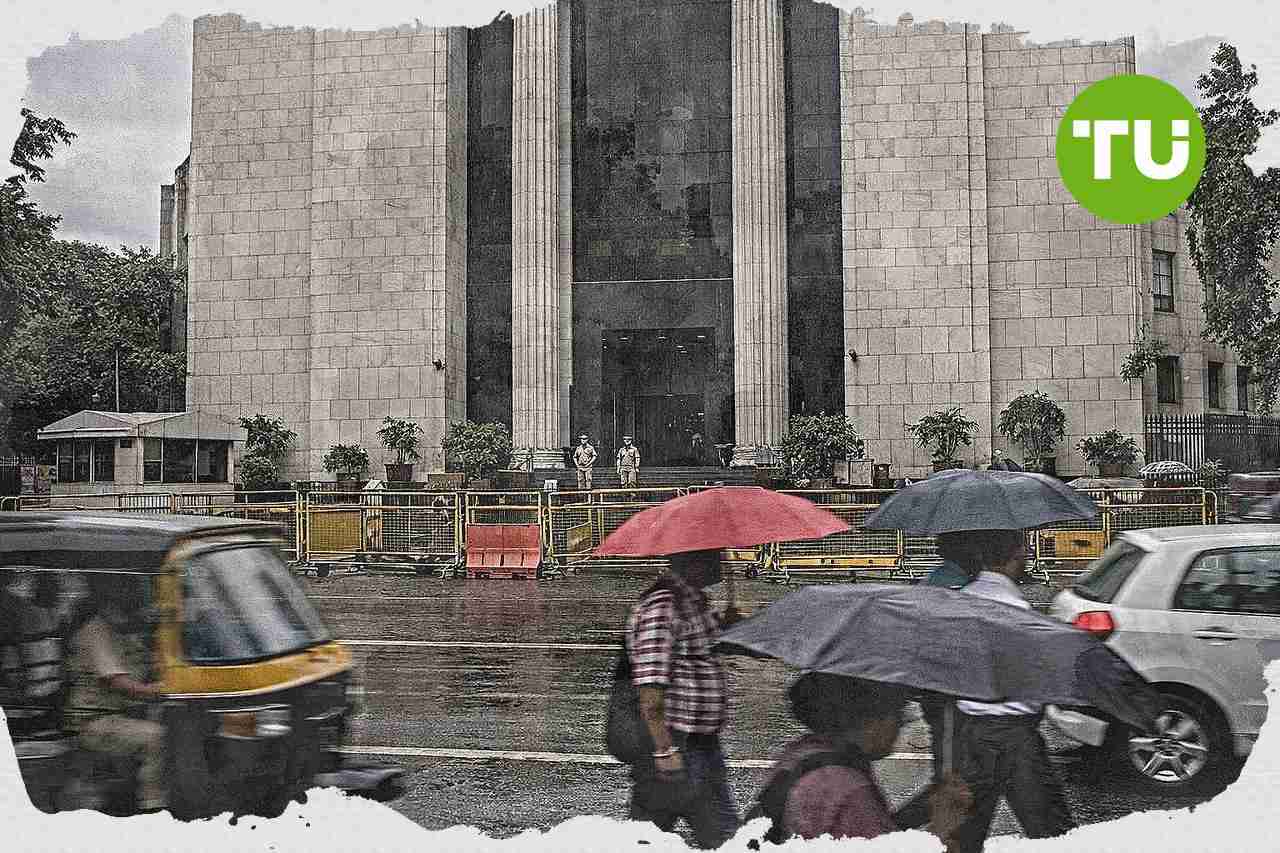
The Indian Monetary Policy Committee maintains its policy stance unchanged at the June 2026 meeting amid concerns over the West Asia conflict, high energy prices, and a weak monsoon. The committee projects real GDP growth at 6.6 percent and CPI inflation at 5.1 percent for 2026-27, while stating it will keep a close watch on second-round inflationary pressures.
Highlights
- The RBI, in its meeting held from June 3–5, 2026, unanimously decided to keep the repo rate at 5.25 percent and maintain a neutral policy stance.
- The RBI raised the CPI inflation forecast for 2026-27 to 5.1 percent, with the main factors being a 7.4 percent increase in petrol prices and an 8.4 percent increase in diesel prices since May.
- Despite global supply disruptions, energy costs, and concerns over a weak monsoon, the committee sees medium-term support from economic activity, credit flow, and government spending.
This article was translated from the original. Read the original version by our correspondent here.
June Meeting Decision and Projections
According to an official press release by Reserve Bank of India dated 19 June 2026, the Monetary Policy Committee unanimously voted at its 61st meeting held from 3 to 5 June to keep the policy repo rate unchanged at 5.25 percent under the liquidity adjustment facility. As a result, the standing deposit facility rate remains at 5.00 percent, while the marginal standing facility rate and the bank rate remain at 5.50 percent.The committee also decided to maintain a neutral stance. According to the minutes, after reviewing global and domestic conditions, the committee noted that the prolonged conflict in West Asia, supply chain disruptions, and rising energy prices are increasing risks to both growth and inflation.
The RBI projects real GDP growth for 2026-27 at 6.6 percent, with the first quarter at 6.6 percent, the second quarter at 6.3 percent, the third quarter at 6.5 percent, and the fourth quarter at 6.8 percent. CPI inflation for 2026-27 is projected at 5.1 percent, with the first quarter at 4.2 percent, the second quarter at 5.1 percent, the third quarter at 5.9 percent, and the fourth quarter at 5.4 percent.
The minutes state that headline inflation rose to 3.4 percent in March 2026 and 3.5 percent in April 2026, mainly due to food inflation. However, it is anticipated that the cumulative increase in retail petrol and diesel prices by 7.4 percent and 8.4 percent, respectively, since May, may have both direct and indirect effects on inflation in the coming months.
Implications for the Economy and Industry
The committee assesses that domestic economic activity has remained relatively stable so far, but pressures are gradually becoming more apparent. Private consumption remains resilient, fixed capital investment continues to gain momentum despite cost pressures, and strong growth in merchandise exports was recorded in April 2026, although high freight and insurance costs remain a constraint.Looking ahead, the RBI notes that high energy and other commodity prices, along with supply disruptions, could impact economic activity. Import diversification has improved the supply of affected commodities, but at a higher cost, while the prospect of a weaker-than-normal southwest monsoon could affect agricultural activity and rural demand.
Nevertheless, the committee expects continued strength in the services sector, the impact of GST rationalization, broadly stable employment conditions, robust capacity utilization, sustained credit flows from both bank and non-bank sources, and support from government capital expenditure. Government support for MSMEs and export sectors, efforts to increase domestic gas and crude oil supply, and steps such as diversification of critical imports are also seen as strengthening the economy’s resilience against external shocks.
Statements from members indicate that the committee currently wants to avoid tightening prematurely and is waiting for clearer data. The next MPC meeting is scheduled for 3 to 5 August 2026.
In our previous report the rising cost of fertilizers and the increasing pressure on India’s subsidy support framework and government subsidy bill were discussed. That analysis noted that rising input prices could have a broad impact on government budget management as well as on sowing decisions, crop costs, and rural incomes.


Latest GDP News







-
 Afghanistan
-
 Albania
-
 Algeria
-
 Angola
-
 Argentina
-
 Armenia
-
 Australia
-
 Austria
-
 Azerbaijan
-
 Bahamas
-
 Bahrain
-
 Bangladesh
-
 Belarus
-
 Belgium
-
 Bolivia
-
 Botswana
-
 Brazil
-
 Brunei
-
 Bulgaria
-
 Cambodia
-
 Cameroon
-
 Canada
-
 Chile
Chile
-
 China
China
-
 Colombia
-
 Congo
Congo
-
 Costa Rica
-
 Cote d'Ivoire
-
 Croatia
-
 Cuba
Cuba
-
 Cyprus
-
 Czechia
-
 DR Congo
-
 Denmark
-
 Dominican Republic
-
 Ecuador
-
 Egypt
Egypt
-
 El Salvador
-
 Estonia
-
 Eswatini
-
 Ethiopia
-
 Finland
-
 France
-
 Georgia
-
 Germany
-
 Ghana
Ghana
-
 Greece
-
 Haiti
Haiti
-
 Hong Kong
-
 Hungary
-
 India
India
-
 Indonesia
-
 Iran, Islamic republic
-
 Iraq
Iraq
-
 Ireland
-
 Israel
-
 Italy
Italy
-
 Jamaica
-
 Japan
Japan
-
 Jordan
-
 Kazakhstan
-
 Kenya
Kenya
-
 Korea
Korea
-
 Kuwait
-
 Kyrgyzstan
-
 Laos
Laos
-
 Latvia
-
 Lebanon
-
 Lesotho
-
 Libya
Libya
-
 Lithuania
-
 Luxembourg
-
 Madagascar
-
 Malaysia
-
 Malta
Malta
-
 Mauritius
-
 Mexico
-
 Moldova
-
 Mongolia
-
 Montenegro
-
 Morocco
-
 Mozambique
-
 Myanmar
-
 Namibia
-
 Nepal
Nepal
-
 Netherlands
-
 New Zealand
-
 Nigeria
-
 North Macedonia
-
 Norway
-
 Oman
Oman
-
 Pakistan
-
 Palestine
-
 Panama
-
 Papua New Guinea
-
 Paraguay
-
 Peru
Peru
-
 Philippines
-
 Poland
-
 Portugal
-
 Puerto Rico
-
 Qatar
Qatar
-
 Reunion
-
 Romania
-
 Rwanda
-
 Saudi Arabia
-
 Serbia
-
 Singapore
-
 Slovakia
-
 Slovenia
-
 Somalia
-
 South Africa
-
 Spain
Spain
-
 Sri Lanka
-
 Sweden
-
 Switzerland
-
 Syria
Syria
-
 Taiwan
-
 Tajikistan
-
 Tanzania
-
 Thailand
-
 Trinidad and Tobago
-
 Tunisia
-
 Turkey
-
 UAE
UAE
-
 Uganda
-
 Ukraine
-
 United Kingdom
-
United States
-
 Uruguay
-
 Uzbekistan
-
 Venezuela
-
 Vietnam
-
 Yemen
Yemen
-
 Zambia
-
 Zimbabwe
- Forex
- Crypto











