
Nicaragua coffee trade faces U.S. sanction risk, raising pressure on retail prices
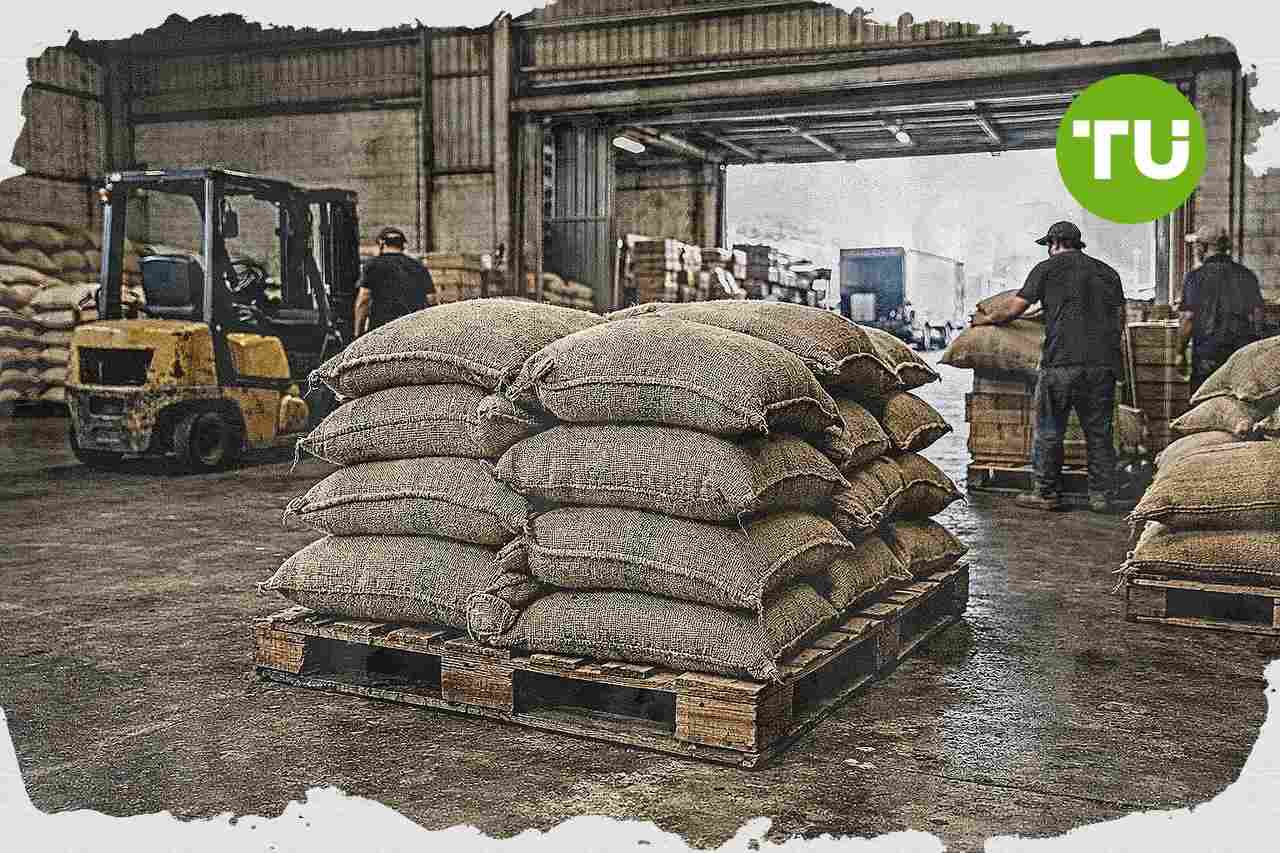
With U.S. retail coffee prices already near decade highs, potential action by Washington against Nicaragua is adding a new risk for buyers and consumers. Nicaragua relies heavily on coffee exports to the U.S., and any trade curbs could tighten an already constrained market while hurting the Central American country's farm sector.
Highlights
- U.S. coffee imports from Nicaragua face potential sanctions or heavy tariffs after President Ortega announced an end to elections, according to trade experts.
- The U.S. accounts for 35% of Nicaragua's coffee export market, which totals about $500 million annually, making restrictions significant for both economies.
- Retail coffee prices in the U.S. averaged $9.45 per pound in June and could rise further if Nicaraguan supply is restricted amid already tight market conditions.
Nicaragua exports in focus after election move
As reported by Reuters, traders and analysts say U.S. coffee imports from Nicaragua could come under pressure after President Daniel Ortega says the country will stop holding elections, prompting a warning from Washington that relations will not continue as usual.On Tuesday, U.S. Secretary of State Marco Rubio says Nicaragua should not expect "business as usual" with Washington after Ortega's statement a day earlier. Mike Nugent, a senior U.S. coffee trader and advisor, says he would not be surprised if the administration restricts coffee purchases from Nicaragua or imposes heavy tariffs on that trade.
Marc Schonland, a coffee analyst and consultant to some U.S. coffee companies, says that if the U.S. chooses to get involved, Nicaragua risks becoming a target for future trade sanctions. According to the U.S. Department of Agriculture, the U.S. buys 35% of all coffee exported by Nicaragua, which receives about half a billion dollars a year from global coffee exports.
Consumer and industry fallout could widen
Retail coffee prices in the U.S. remain near their highest levels since at least 2016, averaging $9.45 per pound in June. Any ban or major restriction on Nicaraguan coffee would likely add strain to a market that has remained tight for the past four years, with supply shortfalls at some large producers already compounding the effects of President Donald Trump's tariffs.Analyst Judith Ganes says the coffee industry is certain to weigh the economic toll of any such move. The National Coffee Association has lobbied to keep coffee out of trade restrictions and recently won an exemption for instant coffee, adding to an existing exemption for green coffee beans.
With two-thirds of Americans saying they drink coffee every day, the product is drawing attention from Republicans concerned about living costs ahead of midterm elections, where the party is trying to keep its narrow majority in Congress. In Nicaragua, broader restrictions would also hit small farmers and add pressure to an economy already exposed to coffee export demand.
In our earlier report on the Connected Vehicle Security Act, we covered how U.S. lawmakers are moving to restrict the sale of connected vehicles tied to Chinese ownership and to limit imports of certain battery systems. We noted that the proposed 15% Chinese-ownership threshold could reach beyond Chinese brands and affect foreign automakers such as Mercedes-Benz, prompting companies to lobby for changes and adjust supply chains.


Latest Coffee News






-
 Afghanistan
-
 Albania
-
 Algeria
-
 Angola
-
 Argentina
-
 Armenia
-
 Australia
-
 Austria
-
 Azerbaijan
-
 Bahamas
-
 Bahrain
-
 Bangladesh
-
 Belarus
-
 Belgium
-
 Bolivia
-
 Botswana
-
 Brazil
-
 Brunei
-
 Bulgaria
-
 Cambodia
-
 Cameroon
-
 Canada
-
 Chile
Chile
-
 China
China
-
 Colombia
-
 Congo
Congo
-
 Costa Rica
-
 Cote d'Ivoire
-
 Croatia
-
 Cuba
Cuba
-
 Cyprus
-
 Czechia
-
 DR Congo
-
 Denmark
-
 Dominican Republic
-
 Ecuador
-
 Egypt
Egypt
-
 El Salvador
-
 Estonia
-
 Eswatini
-
 Ethiopia
-
 Finland
-
 France
-
 Georgia
-
 Germany
-
 Ghana
Ghana
-
 Greece
-
 Haiti
Haiti
-
 Hong Kong
-
 Hungary
-
 India
India
-
 Indonesia
-
 Iran, Islamic republic
-
 Iraq
Iraq
-
 Ireland
-
 Israel
-
 Italy
Italy
-
 Jamaica
-
 Japan
Japan
-
 Jordan
-
 Kazakhstan
-
 Kenya
Kenya
-
 Korea
Korea
-
 Kuwait
-
 Kyrgyzstan
-
 Laos
Laos
-
 Latvia
-
 Lebanon
-
 Lesotho
-
 Libya
Libya
-
 Lithuania
-
 Luxembourg
-
 Madagascar
-
 Malaysia
-
 Malta
Malta
-
 Mauritius
-
 Mexico
-
 Moldova
-
 Mongolia
-
 Montenegro
-
 Morocco
-
 Mozambique
-
 Myanmar
-
 Namibia
-
 Nepal
Nepal
-
 Netherlands
-
 New Zealand
-
 Nigeria
-
 North Macedonia
-
 Norway
-
 Oman
Oman
-
 Pakistan
-
 Palestine
-
 Panama
-
 Papua New Guinea
-
 Paraguay
-
 Peru
Peru
-
 Philippines
-
 Poland
-
 Portugal
-
 Puerto Rico
-
 Qatar
Qatar
-
 Reunion
-
 Romania
-
 Rwanda
-
 Saudi Arabia
-
 Serbia
-
 Singapore
-
 Slovakia
-
 Slovenia
-
 Somalia
-
 South Africa
-
 Spain
Spain
-
 Sri Lanka
-
 Sweden
-
 Switzerland
-
 Syria
Syria
-
 Taiwan
-
 Tajikistan
-
 Tanzania
-
 Thailand
-
 Trinidad and Tobago
-
 Tunisia
-
 Turkey
-
 UAE
UAE
-
 Uganda
-
 Ukraine
-
 United Kingdom
-
United States
-
 Uruguay
-
 Uzbekistan
-
 Venezuela
-
 Vietnam
-
 Yemen
Yemen
-
 Zambia
-
 Zimbabwe
- Forex
- Crypto












