
Dow, S&P 500 and Nasdaq futures fall as markets doubt Iran truce
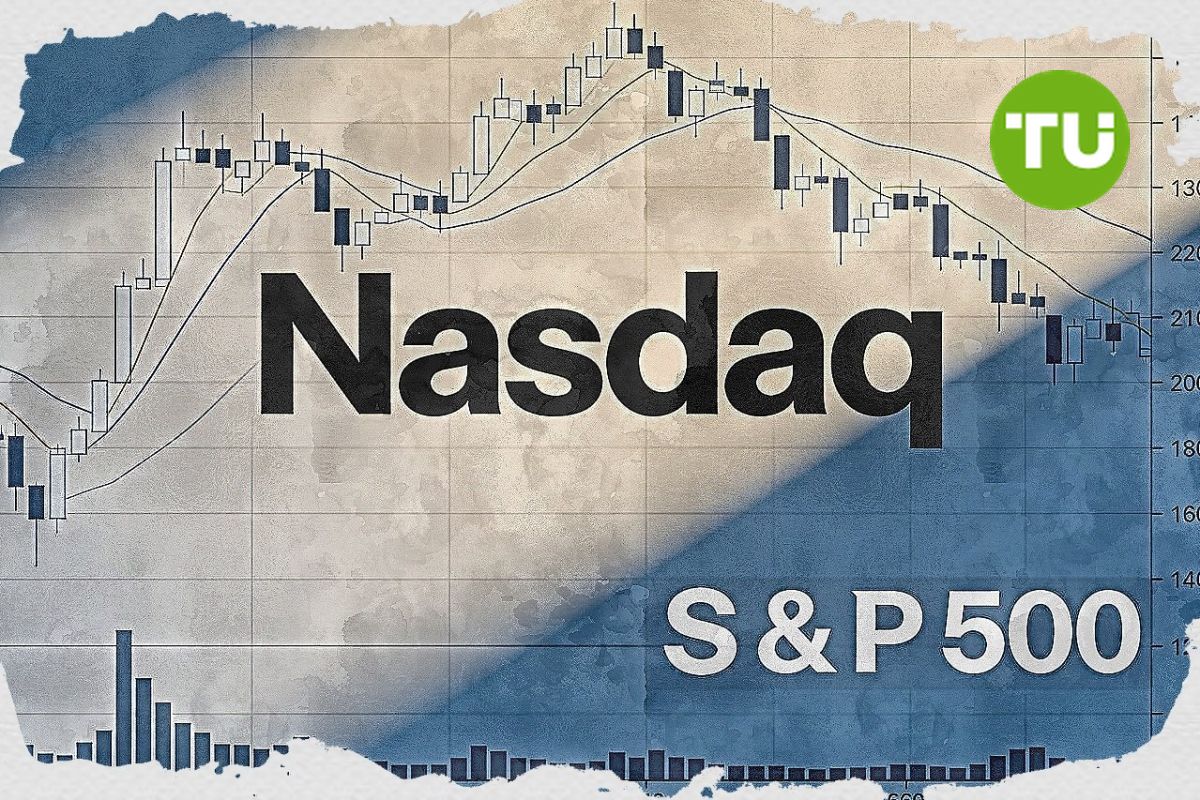
U.S. stock futures moved lower on Thursday after hopes for a near-term end to the war involving the United States, Israel, and Iran once again ran into conflicting statements from the parties involved. Wall Street is now assessing not the mere possibility of a peace plan, but how realistic its implementation is amid fresh strikes and rising oil prices.
Highlights
- Dow, S&P 500, and Nasdaq futures fell after hopes for an Iran truce weakened.
- Oil prices rose again, increasing concern about inflation and pressure on the U.S. economy.
- The market is shifting from short-term optimism to assessing the risk of a prolonged conflict and the Fed response.
According to Yahoo!Finance, in premarket trading on Thursday S&P 500 futures were down about 0.7% to 0.8%, Dow Jones contracts were lower by 0.7%, and Nasdaq 100 futures were off by 1%. The pressure intensified after U.S. stocks had already rebounded on Wednesday on expectations of possible progress toward a truce, but that momentum faded quickly because of new reports of missile strikes and the absence of a confirmed diplomatic breakthrough.
The market is stepping back from optimism
The main reason for the decline was a renewed rise in geopolitical uncertainty. Iran set out tough conditions for a ceasefire, including an end to attacks on Iranian officials, reparations, and full sovereign control over the Strait of Hormuz. At the same time, the U.S. continued to speak about the need for a deal, but without signs of an agreed framework that could quickly reduce the risk to oil supplies.
That is why the market effectively reversed the optimism of the previous session. While investors on Wednesday were still willing to buy stocks on expectations of a diplomatic pause, on Thursday the focus shifted to the risk of a prolonged conflict and its economic consequences. This reversal was especially visible in Nasdaq futures: the technology sector typically reacts more sharply to weaker risk appetite and growing macroeconomic uncertainty.
Oil and macro risks return to the center of attention
At the same time that futures were falling, oil prices were rising. Brent moved above $107 a barrel and WTI climbed above $94; market overviews also pointed to even higher intraday levels amid the continuing war and threats to supply through the Strait of Hormuz. This has intensified investor concern about inflation and higher costs for U.S. consumers and businesses.
Another risk factor remains expectations for monetary policy. The market is watching weekly jobless claims and trying to assess how the Federal Reserve will respond to the new oil shock. Higher energy prices make the Feds task more difficult: on one hand, they add to inflation pressure; on the other, they raise the risk of weaker consumer demand and a slowing economy.
What this says about market sentiment
The 0.8% drop in S&P futures, the 0.7% decline in Dow futures, and the nearly 1% fall in Nasdaq futures show that the market is no longer pricing in a quick de-escalation scenario.
As long as Washington and Tehran remain at odds in their messaging and oil stays elevated, Wall Street will treat the Middle East conflict not as a temporary burst of volatility, but as a factor that can directly affect inflation, interest rates, and consumer demand.
It was earlier reported that stocks rise and oil falls as markets weigh truce signals.




Latest Iran war News







-
 Afghanistan
-
 Albania
-
 Algeria
-
 Angola
-
 Argentina
-
 Armenia
-
 Australia
-
 Austria
-
 Azerbaijan
-
 Bahamas
-
 Bahrain
-
 Bangladesh
-
 Belarus
-
 Belgium
-
 Bolivia
-
 Botswana
-
 Brazil
-
 Brunei
-
 Bulgaria
-
 Cambodia
-
 Cameroon
-
 Canada
-
 Chile
Chile
-
 China
China
-
 Colombia
-
 Congo
Congo
-
 Costa Rica
-
 Cote d'Ivoire
-
 Croatia
-
 Cuba
Cuba
-
 Cyprus
-
 Czechia
-
 DR Congo
-
 Denmark
-
 Dominican Republic
-
 Ecuador
-
 Egypt
Egypt
-
 El Salvador
-
 Estonia
-
 Eswatini
-
 Ethiopia
-
 Finland
-
 France
-
 Georgia
-
 Germany
-
 Ghana
Ghana
-
 Greece
-
 Haiti
Haiti
-
 Hong Kong
-
 Hungary
-
 India
India
-
 Indonesia
-
 Iran, Islamic republic
-
 Iraq
Iraq
-
 Ireland
-
 Israel
-
 Italy
Italy
-
 Jamaica
-
 Japan
Japan
-
 Jordan
-
 Kazakhstan
-
 Kenya
Kenya
-
 Korea
Korea
-
 Kuwait
-
 Kyrgyzstan
-
 Laos
Laos
-
 Latvia
-
 Lebanon
-
 Lesotho
-
 Libya
Libya
-
 Lithuania
-
 Luxembourg
-
 Madagascar
-
 Malaysia
-
 Malta
Malta
-
 Mauritius
-
 Mexico
-
 Moldova
-
 Mongolia
-
 Montenegro
-
 Morocco
-
 Mozambique
-
 Myanmar
-
 Namibia
-
 Nepal
Nepal
-
 Netherlands
-
 New Zealand
-
 Nigeria
-
 North Macedonia
-
 Norway
-
 Oman
Oman
-
 Pakistan
-
 Palestine
-
 Panama
-
 Papua New Guinea
-
 Paraguay
-
 Peru
Peru
-
 Philippines
-
 Poland
-
 Portugal
-
 Puerto Rico
-
 Qatar
Qatar
-
 Reunion
-
 Romania
-
 Rwanda
-
 Saudi Arabia
-
 Serbia
-
 Singapore
-
 Slovakia
-
 Slovenia
-
 Somalia
-
 South Africa
-
 Spain
Spain
-
 Sri Lanka
-
 Sweden
-
 Switzerland
-
 Syria
Syria
-
 Taiwan
-
 Tajikistan
-
 Tanzania
-
 Thailand
-
 Trinidad and Tobago
-
 Tunisia
-
 Turkey
-
 UAE
UAE
-
 Uganda
-
 Ukraine
-
 United Kingdom
-
United States
-
 Uruguay
-
 Uzbekistan
-
 Venezuela
-
 Vietnam
-
 Yemen
Yemen
-
 Zambia
-
 Zimbabwe
- Forex
- Crypto












